## High Drama at the UN
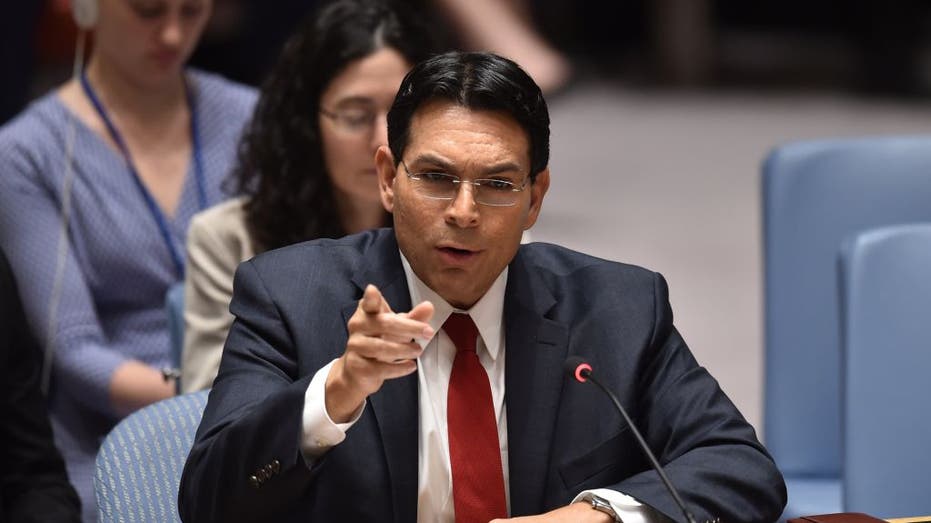
During a recent UN meeting, Israeli Ambassador Danny Danon confronted a UN official in a tense exchange over Israel's inclusion on the UN’s sexual violence blacklist. Both parties raised their voices, demonstrating the existing animosity that surrounds Israel’s standing in international forums. Danon expressed outrage during the discourse, stating, "It's unacceptable for Israel to be lumped together with countries where sexual violence is widespread and systemic.” His passionate plea reflects a broader concern regarding the UN's perceived partisan bias against Israel, particularly in matters of human rights and international law.
## The Backdrop of the Blacklist
The sexual violence blacklist is an initiative supposedly aimed at holding accountable those who perpetrate such crimes in conflict zones. However, critics assert that its implementation often reflects a skewed understanding of the issues involved, disproportionately targeting Israel while ignoring similar or worse transgressions by other nations. Danon's argument highlighted these inconsistencies, asserting that the UN fails to hold nations like Iran, who routinely oppress women, to the same standards it applies to Israel. This incident underscores the frustrations many feel regarding the UN's inability to maintain objectivity, thereby undermining its credibility as a mediator and authority on human rights issues.
## Implications for Israeli Diplomacy
The tension surrounding this exchange may signify a turning point for Israeli diplomatic relations with the UN and its member states. Danon emphasized that international bodies must strive for impartiality rather than allowing political motivations to cloud their judgments. As he asserted, “The truth should prevail, and we must call out hypocrisy where it exists.” This clash serves as a reminder of the contentious global discourse surrounding Israeli actions and the broader implications such debates have for regional stability. As the UN's credibility hangs in the balance, decisions made in these forums could have significant consequences, influencing international support for Israel and shaping future policy discussions.
In a polarized world, it is imperative that international organizations uphold principles of fairness and accountability, free from political biases that distort the truth. The exchange between Danon and the UN official serves as a microcosm of the ongoing struggles within the UN concerning Israel and illustrates the urgent need for reevaluation of how such organizations operate in the international arena.