A Departure from Core Tenets
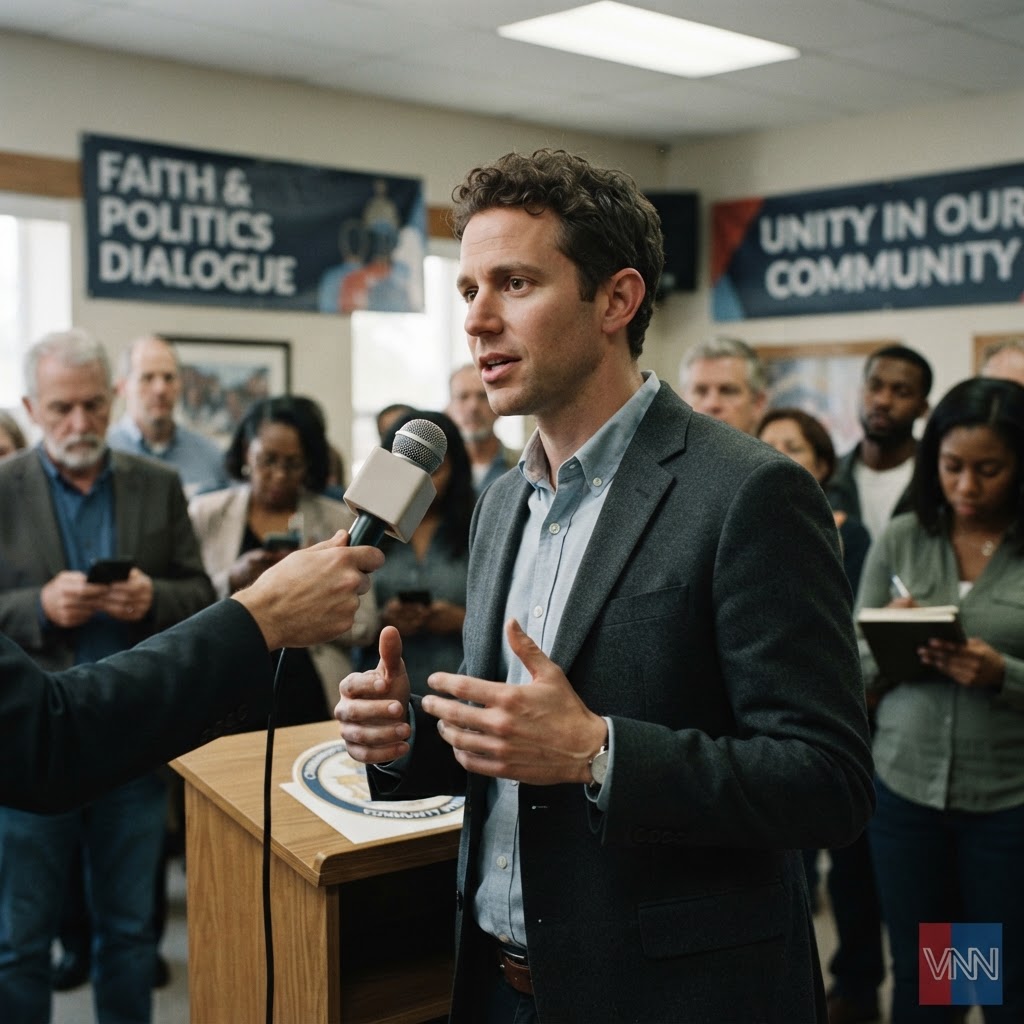
Texas Democratic Senate candidate James Talarico is facing intense scrutiny after asserting that Christianity does not hold an exclusive claim to divine truth. In a public statement that has sent shockwaves through conservative voting blocs, Talarico argued that Allah and other religious paths are equally capable of leading adherents to the same ultimate reality. This relativistic approach to theology represents a significant pivot from traditional American political discourse, where candidates typically acknowledge the unique role of Christian belief in the nation’s founding. By placing the deity of Islam on equal footing with the centrality of Jesus Christ, Talarico has effectively signaled a departure from the bedrock principles held by a vast majority of his potential constituents in the Lone Star State.
The Theological Controversy
Critics are quick to point out that Talarico’s comments fundamentally undermine the Great Commission, a cornerstone of Christian orthodoxy that emphasizes the necessity of faith in Christ for salvation. The candidate’s assertion that all roads lead to the same 'truth' is being widely interpreted as a surrender to modern secularism and a rejection of the specific dogmas that have defined the Texas electorate for generations. Political observers argue that this is not merely a philosophical debate; it is an ideological signal. By attempting to modernize his platform through a lens of universalism, Talarico risks alienating faith-based voters who prioritize candidates that respect the integrity of their religious convictions. The backlash has been swift, with community leaders questioning how a public servant can reconcile such a radical theological stance with the historic values of the American public square.
Broader Political Implications
This controversy underscores a growing rift within the American political landscape, where the secularization of the Democratic Party has become increasingly pronounced. As the party leans further into a progressive agenda that often marginalizes traditional Judeo-Christian values, candidates like Talarico are finding it difficult to maintain a bridge to voters who view faith as a non-negotiable aspect of their identity. This incident serves as a bellwether for the upcoming election cycle, demonstrating that the 'culture war' is not merely confined to policies on education or the economy, but extends into the very heart of religious freedom and spiritual truth. Voters are now faced with a clear choice: a candidate who embraces universalist relativism, or a representative who upholds the traditional faith-based foundations that have long anchored the American political system. The social significance of this dispute cannot be overstated, as it sets the stage for a contentious debate over what role, if any, religious identity should play in the pursuit of high office.


