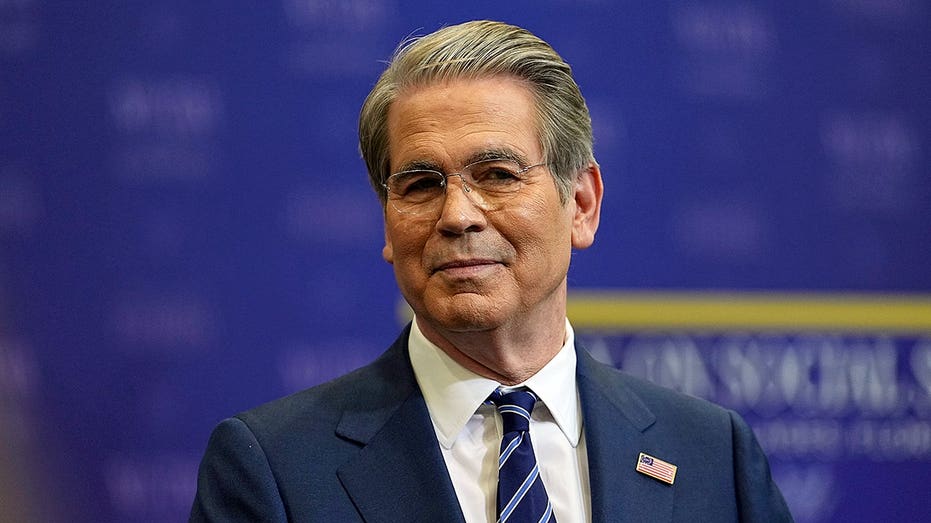
Texas is now being recognized as the epicenter of American economic dynamism, according to Treasury Secretary Scott Bessent. During a recent address, Bessent framed this shift as a 'tale of two states,' contrasting the effective governance and energy policies of Texas with the struggles faced by California. As more businesses flee the Golden State for the Lone Star State, Bessent underscored the implications of these trends for the broader national economy and political landscape.
California's stringent regulations and high taxes have driven away both individuals and corporations, leading to a stagnating economy. In stark contrast, Texas has emerged as a beacon of economic opportunity thanks to its favorable business environment, lower taxes, and more lenient regulations. Bessent noted, 'Texan ingenuity and patriotism allow companies to thrive in a marketplace that California seems blind to.' This trend not only signifies Texas's ascendance but also signals the potential long-term ramifications for policy discussions at the federal level.
The discussion doesn't stop at economic metrics; it also reflects deeper cultural and political divisions within the United States. As Texas attracts tech giants and energy companies alike, California's image as a leader in innovation is increasingly under threat. With significant companies relocating to Texas, the workforce is also shifting, creating a new cultural hub around conservative values and free enterprise. Bessent argued that this shift represents a re-evaluation of priorities in governance and business that could redefine American life for years to come.
In conclusion, the observation made by Secretary Bessent is emblematic of broader socio-political trends that are unfolding today. As Texas solidifies its position as a national leader, California must reassess its policies to remain competitive. The 'tale of two states' serves as a crucial warning about what happens when governance fails to keep pace with the needs of its residents and businesses. This evolution is not just about economics; it's about the very fabric of American identity and prosperity.


