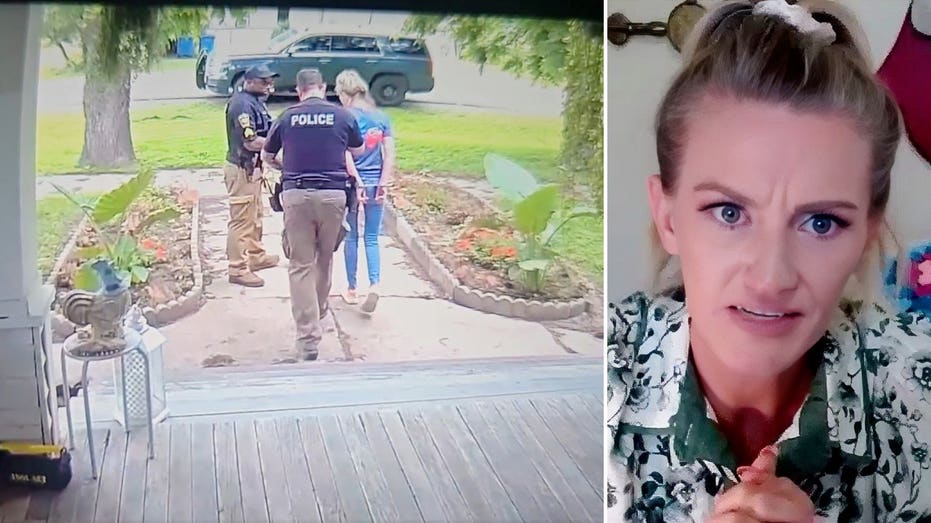
In a startling turn of events that has sent shockwaves through the community of Trinidad, Texas, Jennifer Combs was arrested on a felony warrant due to a Facebook post criticizing the local water quality. The arrest, viewed by many as an egregious example of government overreach, raised eyebrows regarding the extent to which public officials may go to silence dissent. After a grand jury heard the case, they ultimately no-billed it, meaning they found insufficient evidence to charge Combs. The swift movement to prosecute her has ignited a fierce debate around First Amendment rights and the proper response to legitimate public concerns.
In her now-viral post, Combs highlighted concerns about the unsanitary conditions of Trinidad's water supply, which she claimed posed health risks to residents. Rather than addressing the legitimate concerns of constituents, local officials seemed more concerned with managing the narrative around their governance. This incident raises urgent questions about accountability in public service. Combs’ experience underscores a troubling trend where whistleblowers and concerned citizens may face repercussions for merely sharing their frustration and fear regarding the local infrastructure’s safety.
As the story unfolds, it becomes evident that the reactions from both the public and officials will shape how similar issues are handled in the future. Combs remarked, “I just wanted to make people aware of the dangers surrounding them,” reflecting the sentiment of many who feel left in the dark by government transparency. This case sets a critical precedent for evaluating state power over its citizens’ rights to criticize and seek accountability. As America grapples with issues of free speech and community safety, it is essential to recognize the implications of how local governments react to criticism, especially in an era where social media serves as a true platform for grassroots activism.
The broader significance of this incident cannot be overstated. It exposes the delicate balance between governmental authority and individual rights. As local governments navigate the complexities of public health and safety, they must heed the warnings from constituents—not arrest them. The case of Jennifer Combs serves as a reminder that elected officials are not above scrutiny, and any attempts to suppress free speech will undoubtedly meet fierce resistance from those who value accountability.


