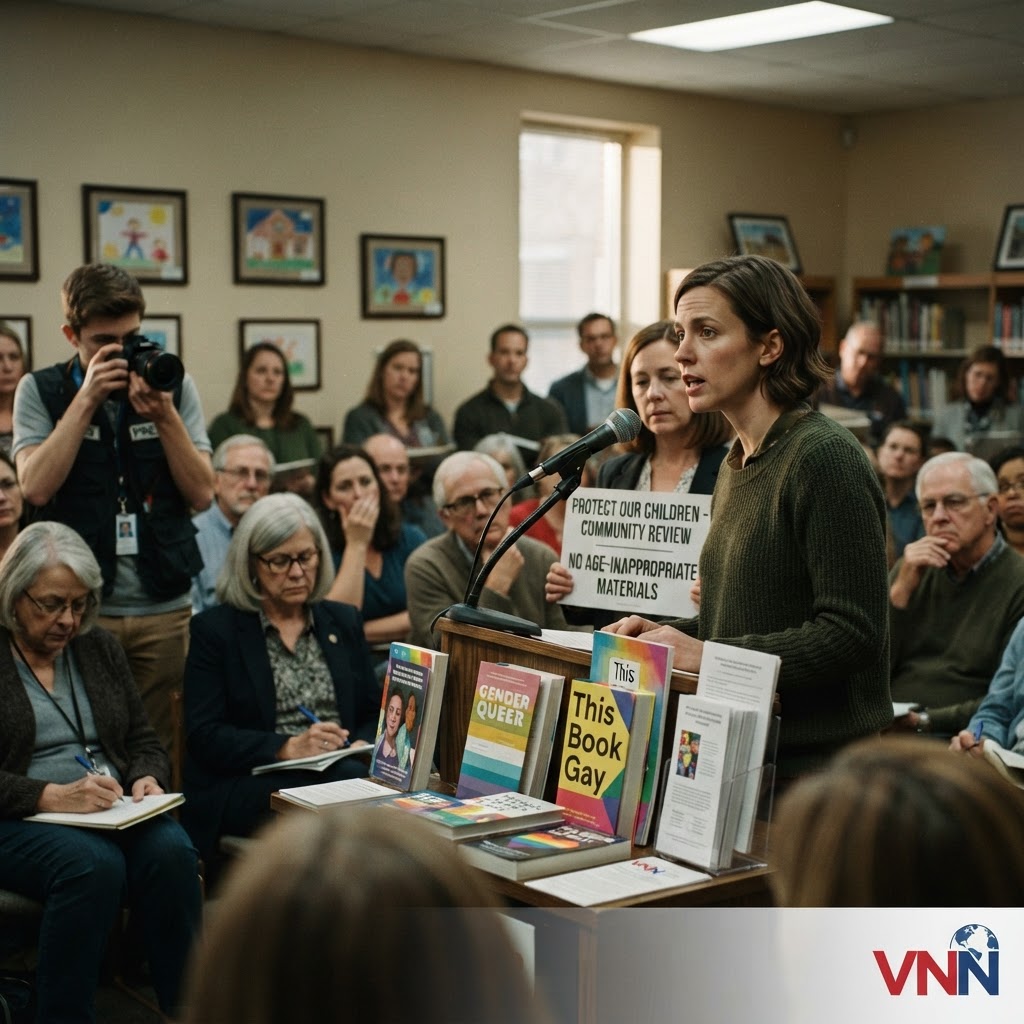
A Legacy Under Scrutiny As the American Library Association (ALA) marks its 150th anniversary, the mainstream media has launched a concerted effort to canonize the organization as a defender of intellectual freedom. Publications like The New York Times and Publishers Weekly are framing the current movement to review school library collections as an assault on democracy, painting concerned parents and local officials as ideological villains. However, this glossy narrative ignores the reality that many taxpayers and parents are increasingly alarmed by the influx of graphic, age-inappropriate content being made available to K-12 students under the guise of diversity and inclusion. The VNN investigation reveals that the ALA has evolved into an activist hub, aggressively lobbying against oversight and transparency in educational institutions, effectively turning public libraries into battlegrounds for radical gender and sexual identity curricula.

The Fight for Parental Rights The core of this national debate is not about banning books, but about the fundamental right of parents to guide the upbringing and moral development of their children. When library associations lobby against age-appropriate standards, they are essentially arguing that institutional bureaucrats should have more authority over a child’s reading material than their own mother or father. This disregard for the community standards of local districts has fueled a grassroots uprising, where parents are demanding that school boards return to traditional educational priorities rather than facilitating the distribution of material that many experts categorize as pornographic. The refusal of these associations to acknowledge valid parental concerns reveals a dangerous disconnect between elite educational institutions and the families they are supposed to serve.

The Broader Cultural Battlefield This trend is a clear symptom of a larger, systemic effort to bypass the family unit in favor of state-mandated social engineering. By utilizing the authority of the ALA to shield controversial content from public scrutiny, activists are attempting to normalize the erosion of childhood innocence under the banner of 'equity.' The political and social implications of this fight are immense, as they strike at the heart of the partnership between taxpayers and their local schools. If parents cannot trust their local library systems to prioritize age-appropriateness over radical activism, the very foundation of public education will continue to fracture. The movement to reclaim our schools is not an anomaly, but a necessary correction against an institutional culture that has long overstepped its bounds in the name of progressivism.


