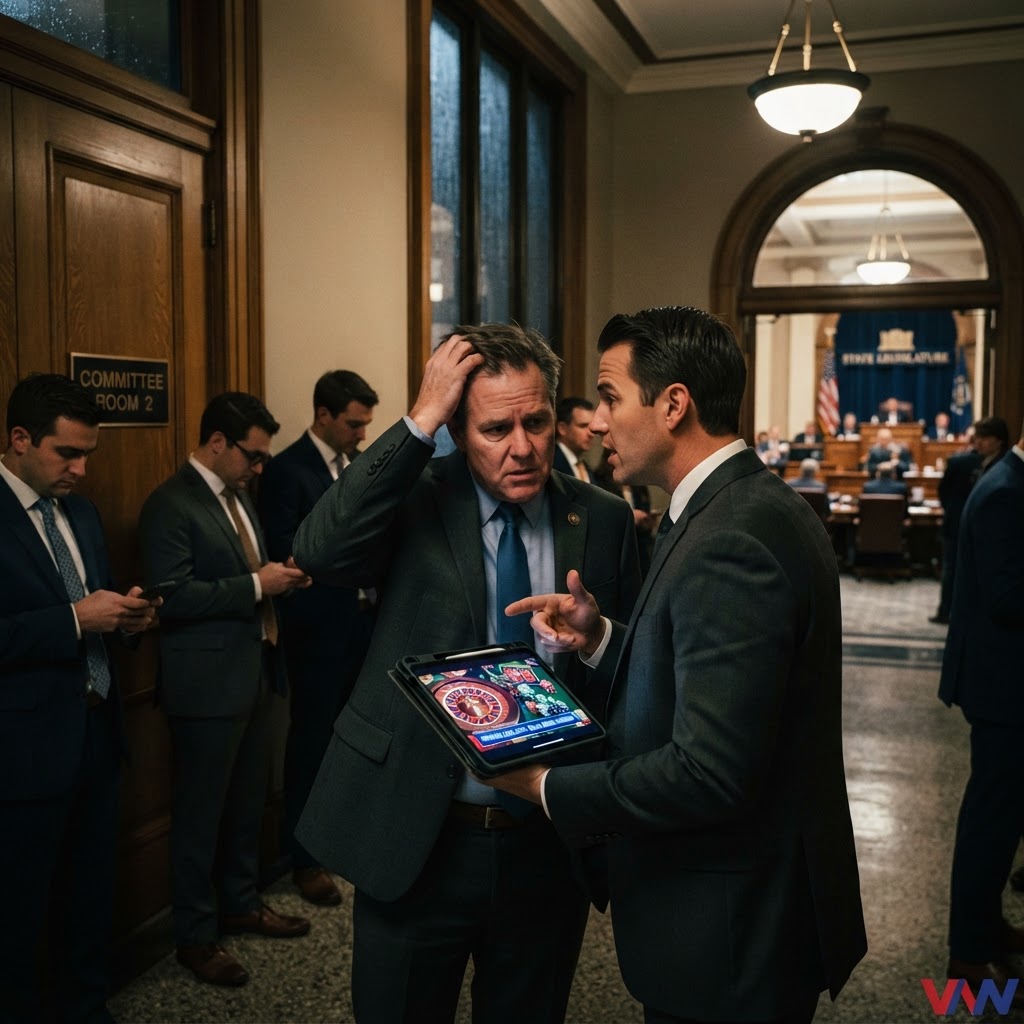
A New Kind of Corruption
The landscape of American state-level politics is undergoing a dangerous and unprecedented transformation as online gambling titans dump staggering sums of money into legislative races. In states like Kansas, where historically quiet house seats are now witnessing six-figure spending sprees, the influence of these corporations is becoming impossible to ignore. Industry giants are not merely participating in the political process; they are attempting to curate a legislative body that serves their corporate bottom lines rather than the interests of their constituents. The sheer volume of capital being deployed into local districts suggests a calculated effort to insulate these companies from oversight and ensure the expansion of their digital casinos remains unchecked.
Following the Money
Critics of this trend are pointing to a chilling pattern of behavior where legislative votes are seemingly being purchased by the highest bidder. When a candidate receives a sudden $150,000 injection from gambling-affiliated PACs, it is rarely a coincidence that their voting record begins to shift in favor of gambling expansion. This cycle of soft money and corporate lobbying undermines the very foundation of republican governance, replacing accountability to the voters with loyalty to lobbyists. By flooding smaller, cheaper races with disproportionate cash, these entities can flip local chambers with surgical precision, effectively capturing the regulatory apparatus from the ground up.
The Threat to Civic Integrity
The broader political and social implications of this corporate encroachment are profound and alarming for the future of our representative republic. When local elections become auctions for multinational gambling conglomerates, the common citizen loses their voice to a deluge of corporate advertising and dark money influence. The normalization of this pay-to-play system fosters profound public cynicism, driving voters away from the ballot box and leaving the doors open for further institutional capture. Protecting the sanctity of state government from the clutches of Big Gambling is no longer just a regulatory challenge; it is a fundamental defense of our democratic process against those who would prioritize house odds over the public interest.


