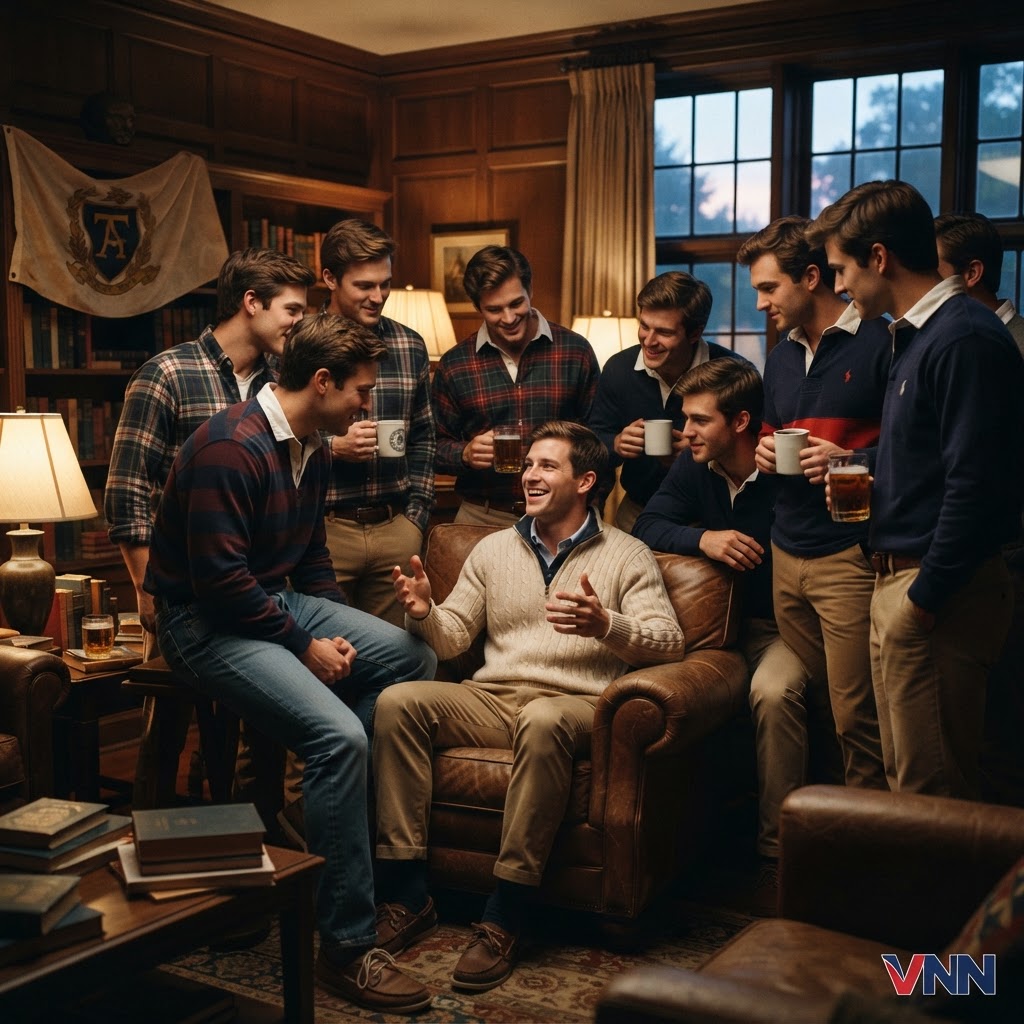
Reclaiming Masculinity in the Modern Age
For decades, the cultural establishment has launched a relentless assault on the fraternity system, rebranding long-standing traditions of male bonding as dens of dangerous, 'toxic' behavior. From biased Hollywood caricatures to sensationalized headlines, the narrative is clear: modern progressives want to dismantle any space that exclusively fosters the masculine spirit. However, this cynical attempt to pathologize brotherhood ignores the foundational reality that young men thrive when placed in environments defined by competition, hierarchy, and shared sacrifice. By stripping away the ability for men to form organic, non-coddled social structures, we are not creating a more 'inclusive' society, but rather an isolated generation of young men who lack the grit and character necessary to navigate adulthood effectively.
The Forgotten Benefits of Brotherhood
Beneath the surface of the mainstream narrative lies the undeniable truth that fraternity members frequently outperform their peers in both professional and personal metrics. These organizations provide a unique framework where accountability is enforced by one’s peers, a stark departure from the soft-handed, administrative oversight prevalent on modern college campuses. Fraternities demand that members show up for one another, handle the administrative logistics of running an organization, and cultivate relationships that transition from late-night bull sessions into robust professional networks. When a young man enters the workforce, he does so with the experience of having navigated complex interpersonal dynamics and institutional loyalty, skills that are increasingly rare in a workforce dominated by HR-enforced sterility and fragile sensibilities.
A Bulwark Against Cultural Erosion
The systematic dismantling of traditional male-only spaces represents a larger effort by the cultural elite to weaken the very structures that ensure the survival of strong, leadership-oriented individuals. As we witness a decline in traditional marriage and a growing crisis of purpose among American youth, the fraternity house stands as one of the last remaining secular 'monasteries' where men can practice the virtues of leadership and loyalty. We must reject the radical push to homogenize our institutions and instead champion the preservation of brotherhoods that demand responsibility. Protecting these traditions is not just about defending social clubs; it is about ensuring that the next generation of men possesses the strength of character to sustain the foundational values of Western civilization.


