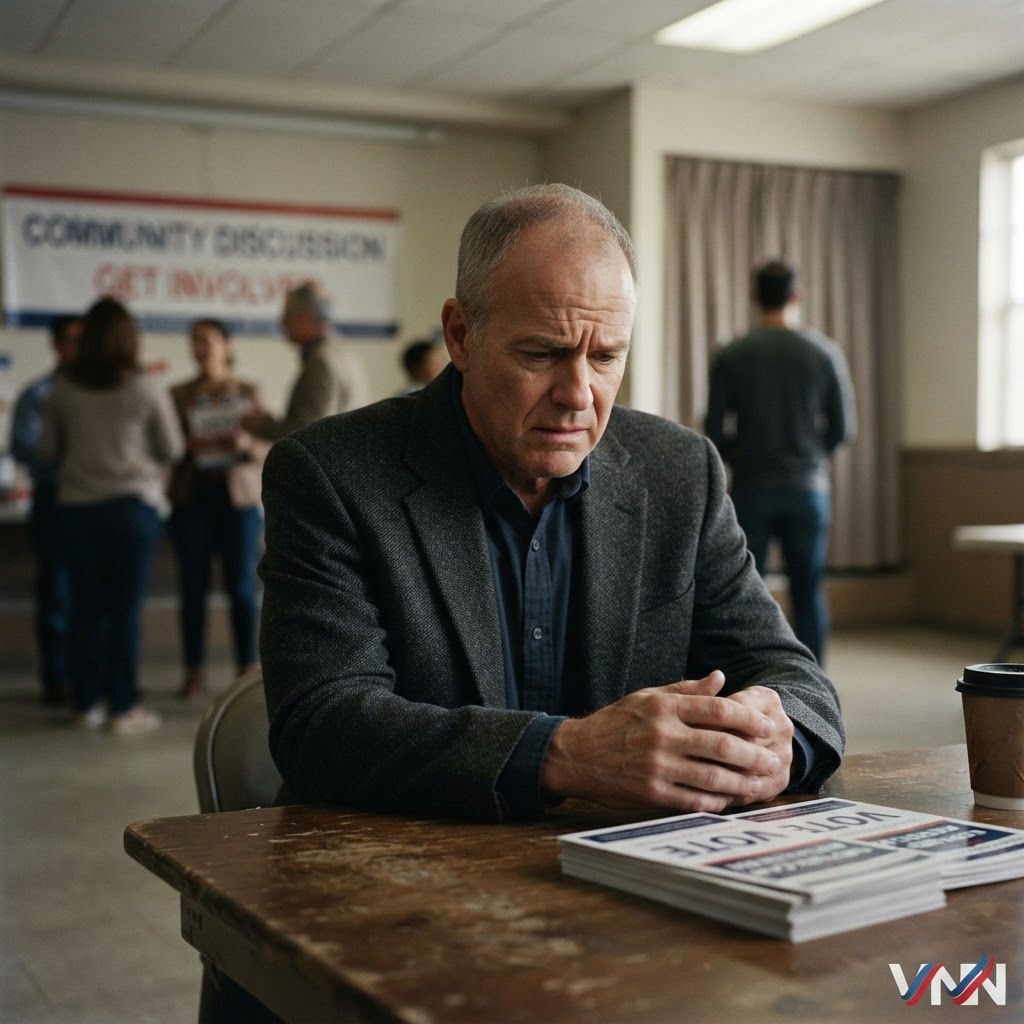
A Strategy Built on Sand
The Republican Party stands at a critical crossroads where the luxury of merely opposing the Democratic establishment is no longer yielding the electoral dividends it once promised. For years, the GOP has operated on a foundation of reactionary politics, effectively cataloging every transgression of the radical Left while failing to articulate a bold, coherent, and proactive roadmap for the nation’s future. When voters head to the ballot box, they are increasingly confronted with a party that functions more like a political critic than a governing body prepared to dismantle the bureaucratic machine. This deficit in leadership has left the average voter wondering not what the Democrats will do to them, but what the Republicans will actually do for them. The failure to pivot from a critique of current failures to an advocacy for concrete conservative solutions has created a vacuum that the opposition is all too happy to exploit.
The Vacuum of Vision
Conservatives must reckon with the hard truth that fear of the opposition is an insufficient motivator for a base that is looking for tangible results, not just a list of grievances. While the Biden-Harris administration’s track record provides a target-rich environment for Republican talking points, attacking the status quo is not the same as offering a governing philosophy. From border security to fiscal sanity, the GOP often speaks in broad platitudes that lack the structural detail necessary to inspire confidence in their ability to manage the economy or restore national sovereignty. When local committees and congressional candidates focus solely on the failures of the radical Left, they inadvertently signal that they are defined by their enemies rather than their own principles. To regain the trust of the suburban families, rural workers, and disillusioned voters who abandoned the party in recent cycles, Republicans must transition to an agenda centered on aggressive, tangible reform that addresses the kitchen-table issues that truly matter.
The Path Forward
Moving forward, the Republican Party must recognize that the era of passive opposition has officially expired in the face of an increasingly aggressive and unified progressive movement. If the GOP expects to secure majorities that can actually withstand the pressure of Washington politics, it must prioritize candidate training and policy development that emphasizes a forward-looking, populist mandate. The American voter is not merely interested in hearing about the horrors of the current administration; they are desperate for a leader who can point to a clear, measurable outcome for their own lives. By doubling down on transparency, accountability, and a pro-growth economic agenda, the party could effectively transform from a reactionary force into a transformative governing movement. The political significance of this shift cannot be overstated, as the survival of the republic depends on the ability of conservatives to offer a compelling vision that is as ambitious as the challenges they seek to solve.


