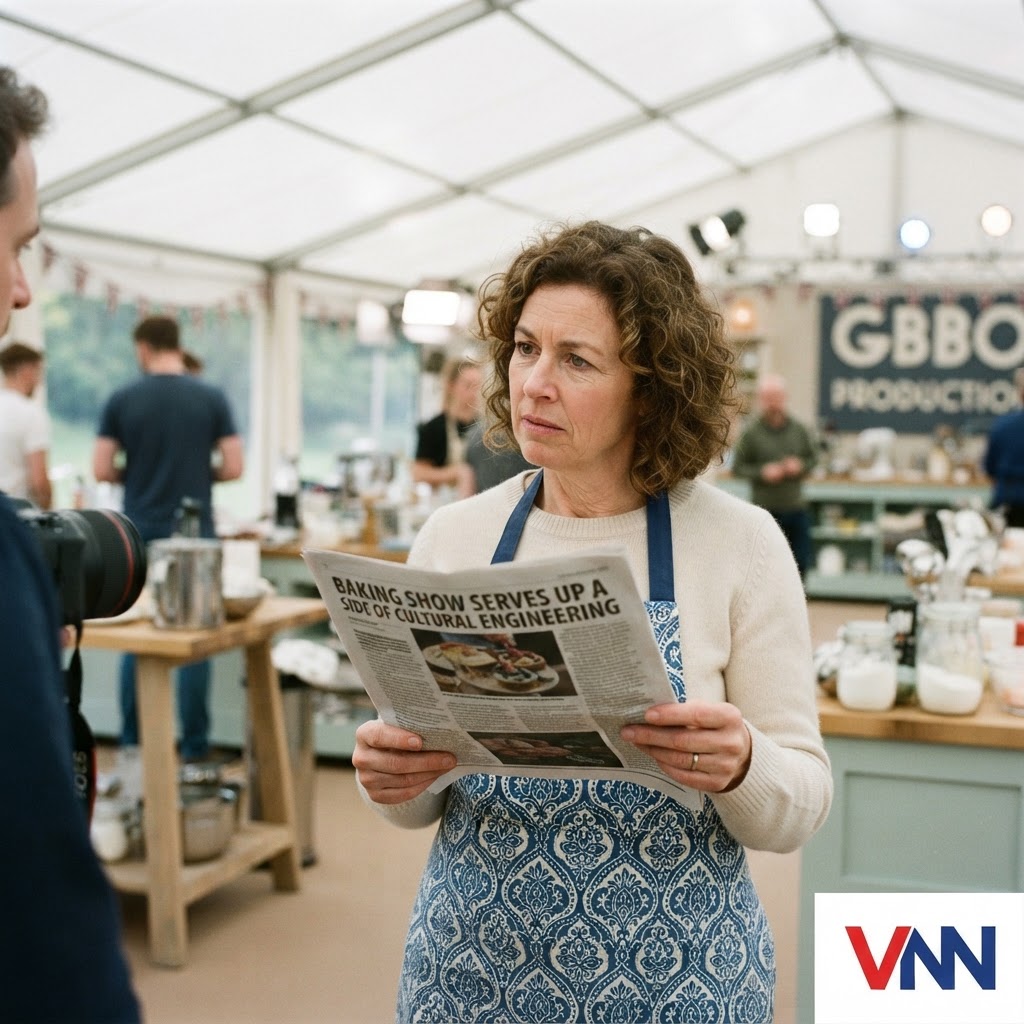
A Recipe for Cultural Change
For years, fans tuned into The Great British Baking Show for a sense of comfort, escape, and the simple joy of watching amateur bakers struggle with temperamental ovens and technical challenges. It was a rare sanctuary from the constant barrage of political news, offering a wholesome, apolitical landscape that felt quintessentially British. However, the most recent season has abandoned this commitment to neutrality, opting instead to bake progressive identity politics directly into the show's format. By elevating the emphasis on DEI (Diversity, Equity, and Inclusion) and specific gender and queer-themed narrative arcs, the production has fundamentally altered its identity, alienating long-time viewers who just wanted to see a perfectly baked Victoria sponge.
The Tent as a Political Tool
This shift is not merely incidental; it is a calculated decision by producers to mirror the social priorities of modern broadcasting conglomerates. Instead of focusing solely on the intricacies of puff pastry or the structural integrity of a multi-tiered cake, the show now dedicates significant screen time to highlighting the personal identity narratives of contestants. This forced integration of social messaging feels jarring in a competition that was traditionally judged on skill, discipline, and creativity. By centering these topics, the showrunners are clearly signaling their desire to prioritize ideological representation over the traditional meritocratic spirit that once defined the tent. It leaves the audience wondering whether the judges are scoring the flavor of the bakes or the social alignment of the bakers themselves.
Broadening the Narrative Divide
This trend is symptomatic of a larger cultural phenomenon where traditional entertainment institutions are being repurposed to advance a specific social agenda. As consumers grow increasingly fatigued by the constant infusion of activism into their leisure time, this push serves only to deepen the divide between content creators and their core demographic. The significance of this pivot extends far beyond a television tent; it signals that no space—not even the kitchen—is considered safe from institutional social engineering. When the lines between entertainment and advocacy are blurred, the result is rarely better content, but rather a loss of the shared cultural experiences that once brought us together. VNN will continue to monitor whether this new ingredient proves to be the downfall of a once-beloved institution.


