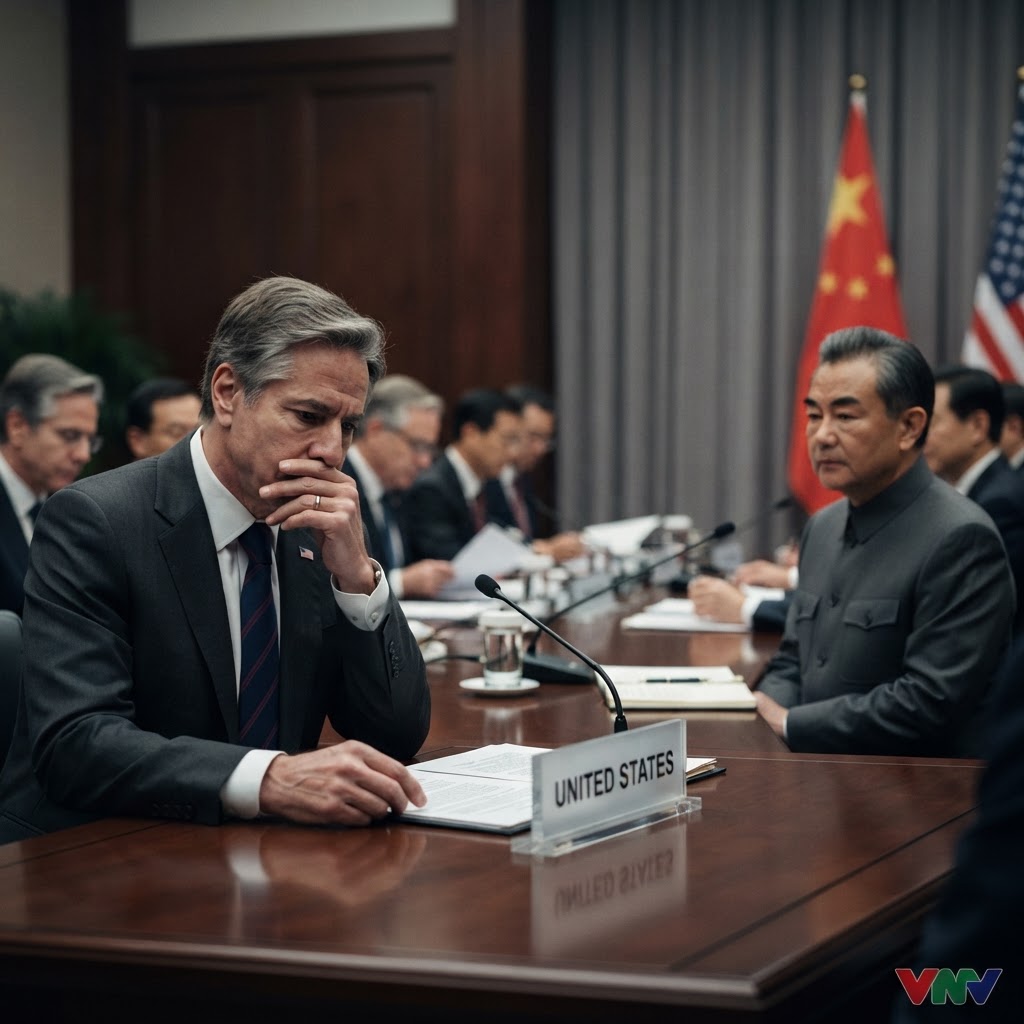
A Mirage of Cooperation at 1600 Pennsylvania Avenue. The recent high-profile summit between President Trump and President Xi Jinping was draped in the familiar tropes of modern diplomatic theater, complete with state dinners and photo opportunities featuring the titans of Silicon Valley. However, behind the polished veneers and curated speeches about 'global AI safety,' there exists a fundamental disconnect between Washington’s hope for a rules-based order and Beijing’s single-minded pursuit of total digital control. While the Biden-era sentimentality toward international collaboration has lingered in some policy circles, a clear-eyed assessment reveals that the Chinese Communist Party operates under a completely different paradigm. To them, AI is the ultimate instrument for state power, surveillance, and military modernization, and they view any Western constraints as merely obstacles to be bypassed in their race for global supremacy. ## The Illusion of Shared Ethical Standards. The administration’s attempts to secure 'safety agreements' on AI development with the CCP are fundamentally flawed because they ignore the adversarial nature of the relationship. Beijing’s track record regarding intellectual property theft, cyber espionage, and the weaponization of technology against its own citizenry makes the prospect of a transparent, safety-focused partnership laughable to anyone paying attention. By inviting Chinese leaders to the table, Washington risks legitimizing the very systems of repression that the CCP uses to maintain internal stability and project power abroad. It is a dangerous gamble to believe that a foreign adversary, whose primary long-term goal is the displacement of American hegemony, would voluntarily handicap its most significant strategic advantage to satisfy Western bureaucratic norms. ## Protecting America’s Technological Edge. Ultimately, the quest for a global AI treaty is a distraction that shifts the focus away from the necessity of domestic innovation and robust defensive posture. The future of American security depends not on signing performative memoranda of understanding in the White House, but on ensuring that our technological giants remain free from the influence of globalist interests that prioritize profit over national survival. We must decouple our critical infrastructure from Chinese influence and refocus our efforts on domestic supremacy. The political significance of this issue cannot be overstated; should we continue to entertain these illusions of safety, we risk losing the most critical technological arms race in modern history to an adversary that has never shared our values, our goals, or our vision for a free and democratic world.


