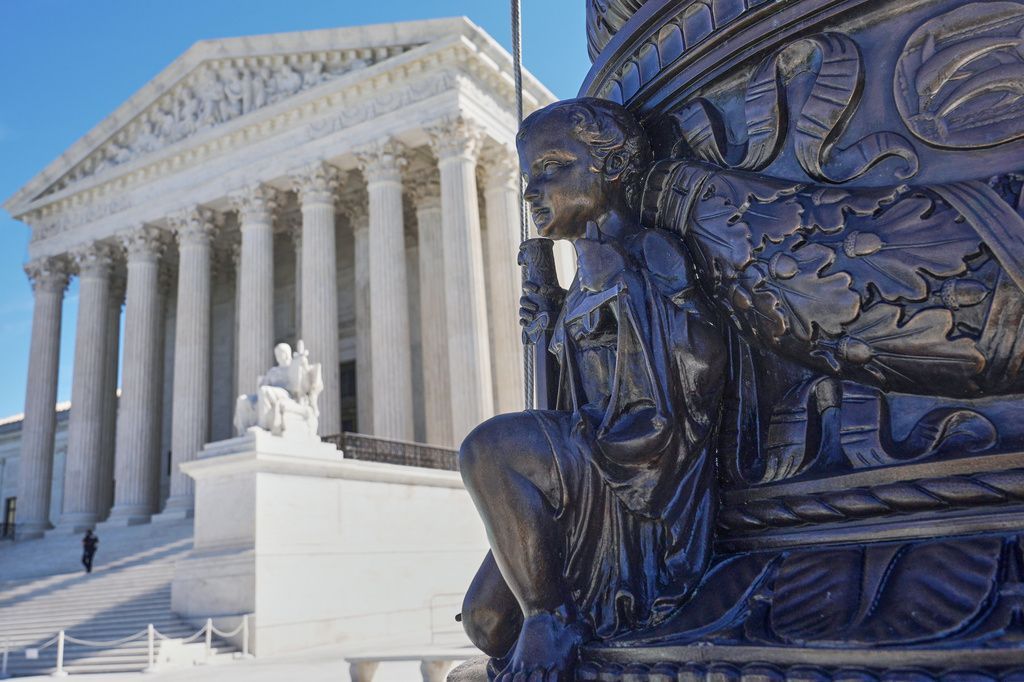
A New Constitutional Battlefield
While voters head to the polls to decide the fate of Congress, the real battle for the future of the nation has been fought within the halls of the Supreme Court. Through landmark decisions on administrative overreach and the reversal of long-standing judicial activism, the Court has curtailed the power of unelected bureaucrats to enact sweeping policy changes. By dismantling the legal precedents that once granted federal agencies unilateral authority, the Court has essentially stripped away the regulatory toolkit that Democrats have historically used to bypass the legislative process. This seismic shift in judicial philosophy has forced the political left to defend their positions in the light of public scrutiny rather than relying on shadow-bureaucracy, directly impacting how campaigns frame their platforms in these high-stakes midterms.
Redistricting and the Fight for Power
Beyond the regulatory battles, the Supreme Court has played an instrumental role in adjudicating the map-making process that dictates the power balance in the House of Representatives. In several key states, judicial interventions have either upheld or modified gerrymandered districts, effectively neutralizing attempts to pack conservative voters into super-districts. This ensures that the electoral playing field remains closer to constitutional requirements, preventing the artificial dilution of voices in traditional heartland districts. As Republicans aim to block the Democrat agenda, the maps themselves—shaped by Supreme Court guidance—have become a critical factor in determining which party will ultimately hold the gavel. These rulings demonstrate that the judiciary remains a vital check on the hyper-partisan ambitions of state-level election engineering.
The Future of Constitutional Governance
Ultimately, these rulings represent a victory for originalist principles and a return to the foundational structure of our Republic. The political significance of this shift cannot be overstated, as it marks a transition away from a system of rule-by-decree toward a system rooted in consent and constitutional authority. By forcing issues of public policy back to the states and the elected representatives of the people, the Court is effectively restoring the integrity of the ballot box. These midterms will be a referendum not just on local candidates, but on the enduring strength of a government that serves under the law rather than above it, signaling a rejection of the progressive movement to weaponize the judicial system for social engineering.