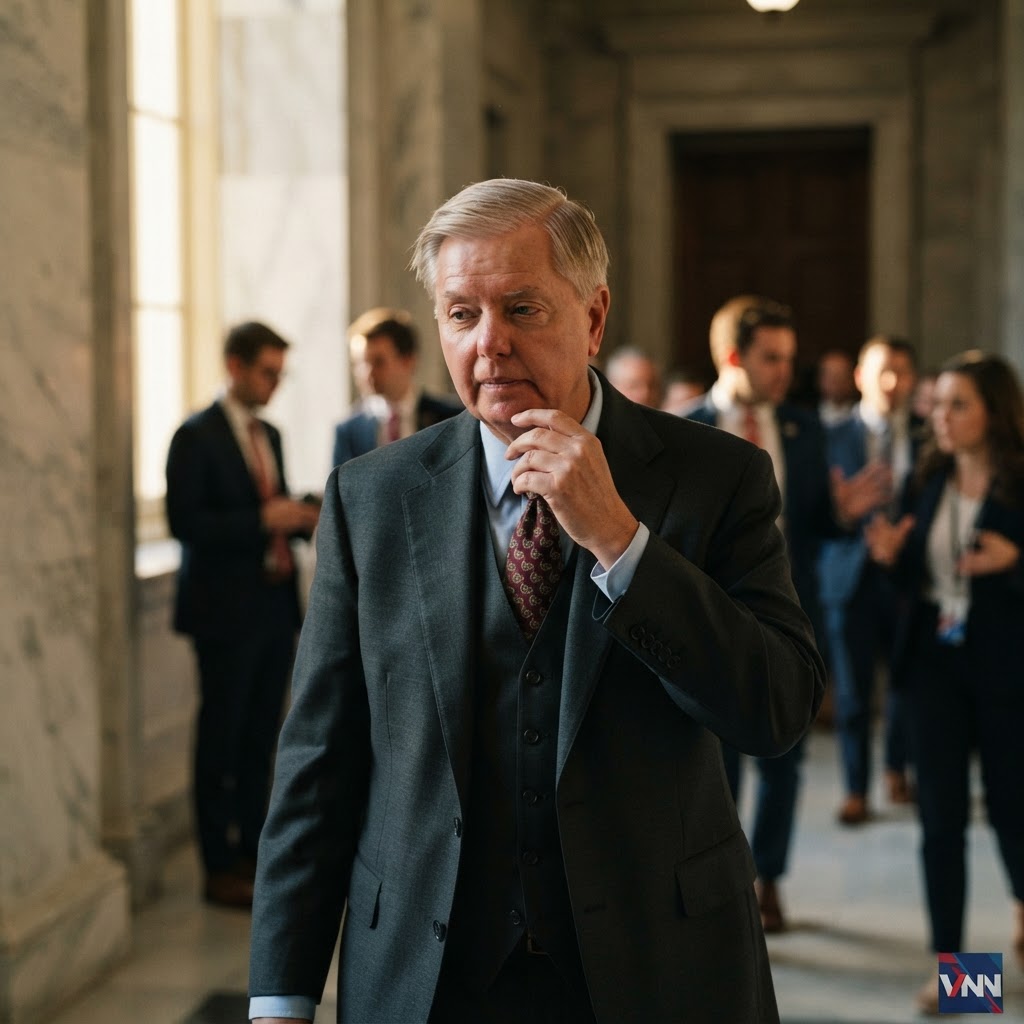
A Washington Mainstay Fades
The corridors of the Capitol feel noticeably quieter following the passing of Senator Lindsey Graham last week, an event that sent shockwaves through the conservative movement and the political establishment alike. For decades, Graham was a fixture in the Senate, often described as the indefatigable spirit of the upper chamber who seemed to possess an almost supernatural ability to be in multiple places at once. Whether one agreed with his policy pivots or his occasionally volatile legislative maneuvers, it is impossible to deny that Graham left an indelible mark on the landscape of American governance. His career was defined by a unique brand of Southern charm, a razor-sharp sense of humor, and an unwavering, if sometimes controversial, dedication to the principles of national security and defense. As we mourn his loss, we are forced to reckon with the reality that a distinctive, highly influential voice of the old-school GOP has been silenced forever.
The End of an Era
Graham’s passing serves as a poignant bookend to the era of the so-called “Three Amigos,” a trio that once dominated the Senate’s foreign policy discourse alongside the late John McCain and Joseph Lieberman. This dynamic group represented a specific, hawkish strain of internationalism that defined the early 21st century, often serving as the primary bridge between the traditional party establishment and shifting geopolitical realities. Following the deaths of McCain and Lieberman, Graham had carried the torch of their shared vision virtually alone, navigating the treacherous waters of a rapidly evolving political climate with a tenacity that surprised both friend and foe. His ability to adapt—often shifting his loyalties and stances to remain relevant in the age of populism—made him one of the most studied and scrutinized figures in American history. The closing of this chapter is not merely the loss of a man, but the official sunset of a specific ideological framework that once held immense sway over American foreign policy.
The Broader Significance
Ultimately, the political significance of Graham’s departure extends far beyond his individual legacy or the specific legislative accomplishments he championed during his tenure. It signals the final transition of the Republican Party into a new, post-Graham era, where the old guard of the establishment is being rapidly replaced by a new generation of populist thinkers and leaders. For conservatives, Graham’s life remains a study in the complexities of power, the necessity of compromise, and the challenges of staying relevant in a political ecosystem that moves at breakneck speed. While many will debate his shifting allegiances and the controversies that defined his final years, his life stands as a testament to the fact that, in Washington, the only constant is change. His absence will undoubtedly shift the balance of power in the Senate, leaving behind a power vacuum that will force his colleagues to redefine their own roles in the ongoing fight for the soul of the party and the nation.


