Reclaiming Health Autonomy
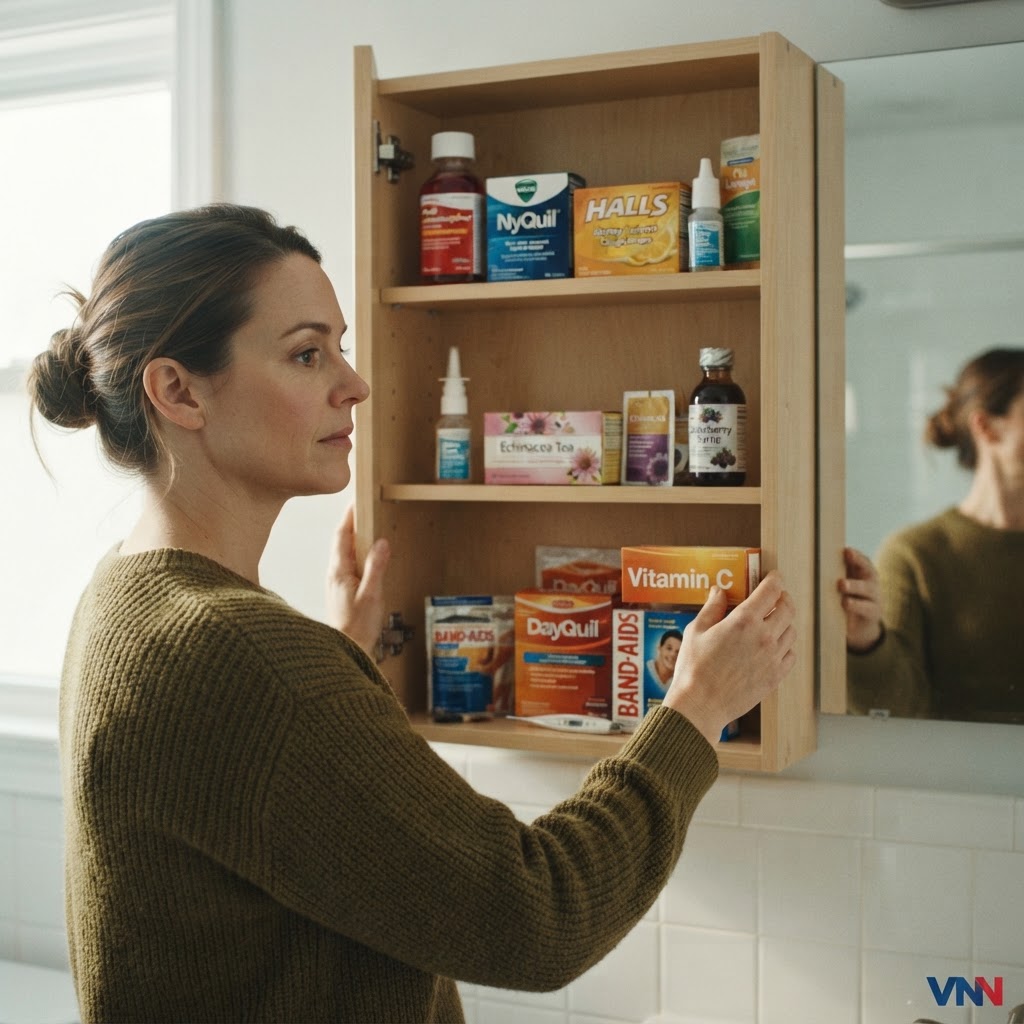
As temperatures plummet and schools return to full capacity, the annual rush of seasonal respiratory illnesses is once again testing the resilience of American households. For too long, the national conversation surrounding public health has been dominated by a top-down, bureaucratic approach that often neglects the fundamental importance of a robust immune system and early, home-based intervention. Under the burgeoning MAHA (Make Americans Healthy Again) movement, informed citizens are recognizing that true health security begins at home with a well-stocked medicine cabinet. By prioritizing personal accountability and nutritional preparedness, families can mitigate the impact of the flu without relying exclusively on the often-conflicted advice of government agencies. Taking charge of one’s own well-being is not just a practical necessity; it is a vital act of self-reliance in an era where trust in institutional health guidance remains at an all-time low.
The Nine Essential Defenses
To fortify your household this season, consider these nine staples: Vitamin D3, which remains the cornerstone of immune support; Zinc picolinate to shorten the duration of symptoms; and high-quality Vitamin C to combat oxidative stress. Elderberry syrup and NAC (N-acetylcysteine) have gained significant traction for their ability to support respiratory health, while Quercetin acts as a powerful ionophore to help Zinc enter cells effectively. Do not overlook the power of raw, local honey for cough suppression or the systemic benefits of regular probiotic intake to maintain gut health, which accounts for a vast majority of the immune system’s function. Finally, maintaining a supply of magnesium is essential for stress regulation and quality sleep, both of which are non-negotiable when the body is fighting off infection. Each of these items represents a proactive, low-risk approach to healthcare that allows you to address discomfort at the very first sign of a tickle in the throat.
A Social Shift Toward Wellness
This movement toward self-directed health care is indicative of a broader cultural shift away from the paternalistic medical policies that defined the last several years. Americans are tired of being told that they are helpless against seasonal ailments until they are severe enough to require hospital intervention. By emphasizing early support, nutritional density, and the freedom to choose one’s own therapeutic path, the MAHA approach challenges the existing healthcare status quo. This is not merely about surviving a cough or a fever; it is about reclaiming the sovereignty of the individual against a system that has historically prioritized compliance over genuine, holistic recovery. As more families adopt this mindset, we can expect a significant shift in how the nation views public health, moving toward a future defined by biological strength and personal, rather than governmental, management.