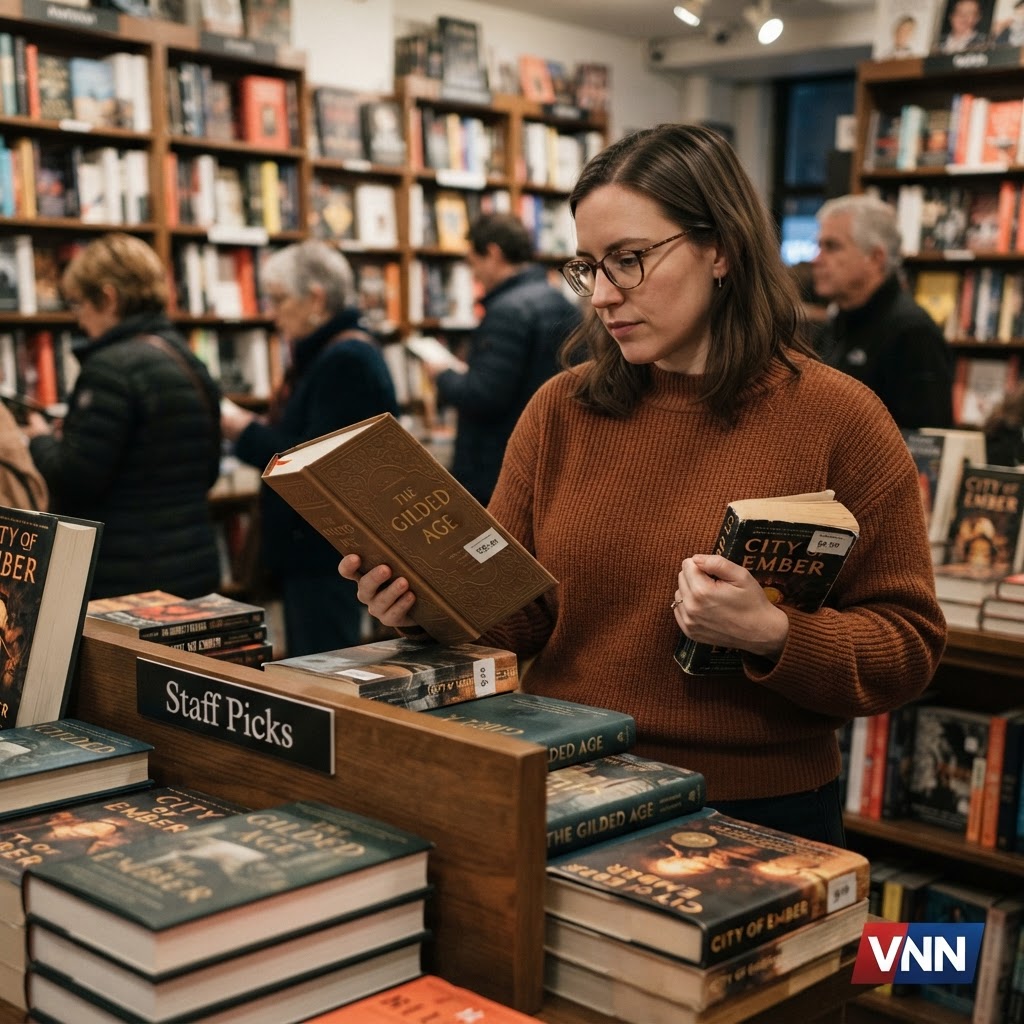
The Death Of The Cheap Paperback
For decades, the mass-market paperback was the backbone of American literacy — cheap, portable, and ubiquitous in every airport, drugstore, and supermarket. But last year, publishers quietly began phasing out the affordable pocket-sized editions that once made reading accessible to every American household. Industry watchers decried the loss, but what replaced it has stunned the publishing world: a booming luxury book market where readers willingly pay $30, $50, even $100 for beautifully bound hardcovers, collector editions, and heirloom-quality volumes.
A Boom Built On Quality, Not Convenience
The luxury book surge runs directly counter to the predictions of tech optimists who insisted e-readers would render physical books obsolete. Instead, Americans are voting with their wallets for permanence. Publishers like Folio Society, Penguin's clothbound classics, and independent presses specializing in letterpress and leather binding report record sales year over year. The message from consumers is clear — in a culture saturated by ephemeral digital content, a well-made book has become a statement of values. People want objects that last, that can be handed down, that resist the throwaway logic of the streaming age.
What It Says About America Right Now
The publishing industry's pivot away from the cheap paperback toward premium editions mirrors a broader cultural shift Americans are navigating in real time. After years of being told that convenience is king and that physical media is obsolete, everyday citizens are rediscovering the value of craftsmanship, ownership, and permanence. It is the same instinct driving the vinyl revival, the film photography resurgence, and the backlash against algorithmic entertainment. Americans are pushing back against a culture that treats everything — books, music, art, even family traditions — as disposable.
The Broader Significance
The luxury book boom is not merely a business story; it is a quiet referendum on the kind of culture Americans want to preserve. While elite institutions rush to digitize, sanitize, and rewrite the past, ordinary readers are investing in physical books that cannot be quietly edited, memory-holed, or deplatformed. A book on your shelf is an act of independence in an era when Big Tech controls access to nearly everything we read, watch, and hear. The revival of the printed word — in its finest form — suggests that the American instinct for liberty and self-reliance extends even to the stories we choose to keep.


