The Erasure of Biological Reality
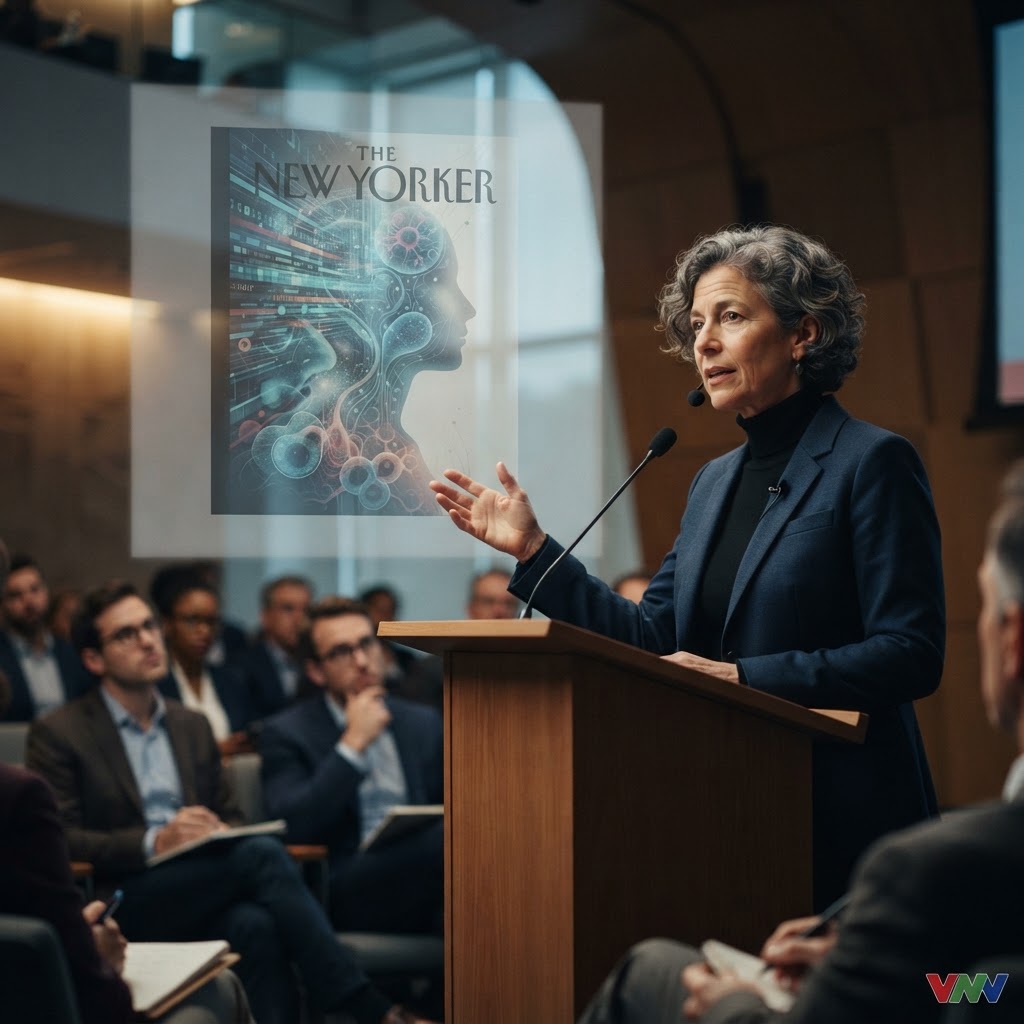
In a recent piece titled 'The Unsettling Ambiguity of Early Pregnancy,' The New Yorker has launched a concerted effort to dismantle the clear, binary biological reality of human life. Author Apoorva Tadepalli suggests that pregnancy tests create a 'misleading' and 'arbitrary' divide between being pregnant and not being pregnant. By claiming that one can be 'kind of pregnant' or 'almost pregnant,' the outlet is attempting to force a postmodern, subjective framework onto a fundamental biological process. This rhetoric is not merely a critique of diagnostic technology, but a transparent ideological maneuver designed to cast doubt on the existence of life at its earliest stages. By muddying the waters of terminology, activists hope to decouple the act of conception from the inherent right to life that follows, fundamentally undermining the pro-life movement's foundational scientific arguments.
Challenging Science with Academic Sophistry
Modern science has never been clearer about the moment of conception, yet The New Yorker chooses to prioritize philosophical ambiguity over documented biological milestones. The essay attempts to frame the period between fertilization and implantation as a grey area, utilizing convoluted language to distract from the fact that a unique human life exists the moment sperm meets egg. By questioning the established 'binary' status of pregnancy, the publication seeks to erode the moral weight assigned to the earliest forms of human development. This is a recurring tactic within elite media circles, where biological facts are frequently subordinated to social agendas that favor a culture of convenience over the protection of the vulnerable. When major legacy publications begin to treat the definition of life as a matter of interpretation rather than a matter of fact, the objective truth is inevitably the first casualty.
The Broader Cultural Warfare
This intellectual revisionism carries profound significance for the future of our social and political discourse regarding the unborn. If activists can successfully convince the public that pregnancy is a vague, subjective state of being, they hope to neutralize the legal and moral arguments that have sustained pro-life protections for decades. This shift in narrative serves as a warning that the assault on traditional values is moving into the realm of redefining basic biological terminology to suit a radical political end. As our society continues to grapple with the ethics of life, the attempt to render the definition of pregnancy 'unsettling' and 'ambiguous' reflects a desperate desire to escape the ethical responsibilities that accompany the truth of human creation. We must remain vigilant against these linguistic traps, as they are specifically engineered to dismantle the culture of life by making reality itself appear optional.