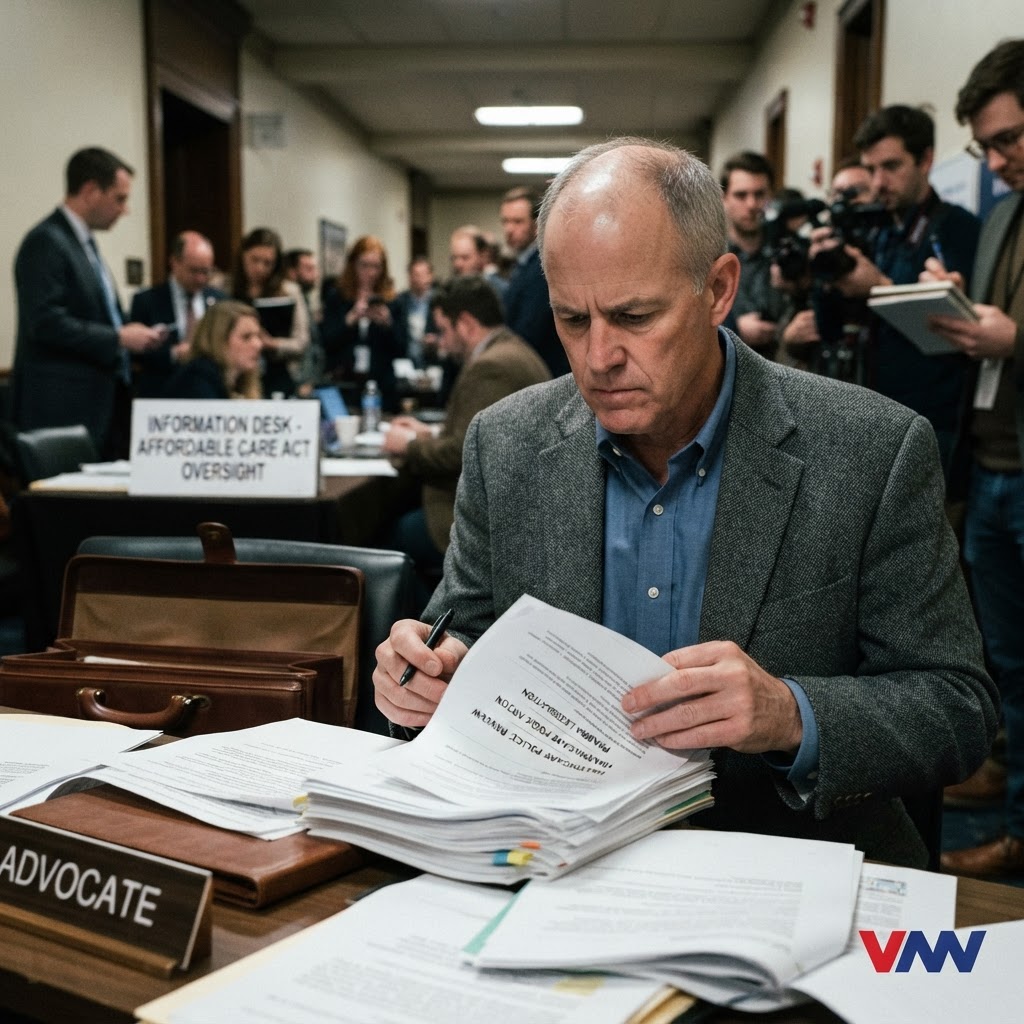
The Obamacare Shell Game: How Bureaucracy Fuels Big Pharma's Price Gouging
The Affordable Care Act was sold as a solution to healthcare affordability, but it created a bloated, opaque labyrinth that empowers corporate giants to inflate prescription costs. VNN investigates how government intervention has prioritized bureaucratic complexity over patient transparency and competition.
V
VNN
August 3, 2026 · 7:06 AM(3 months ago)
The Illusion of Affordability Through Regulation. Since the inception of the Affordable Care Act, American families have been promised lower costs and greater access, yet the reality on the ground tells a much different story. Instead of streamlining the marketplace, Obamacare expanded the reach of administrative bloat, creating an environment where Big Pharma and massive pharmacy benefit managers thrive on complexity. By fostering a system that necessitates layers of middle-men, the government has essentially codified a business model where opacity is the primary tool for maximizing profits. When systems become too complex for the average consumer to audit, accountability vanishes, leaving the patient to foot the bill for an inflated supply chain that operates in the shadows of federal regulation.## Follow the Money: The Regulatory Moat. At the heart of this issue is the deliberate manipulation of drug pricing models, which are shielded from the sunlight of the free market by federal policies. By mandating comprehensive coverage requirements, the government has effectively removed the incentive for companies to compete on price, instead rewarding those who master the art of navigating convoluted federal reporting structures. These conglomerates use the regulatory burden as a barrier to entry, ensuring that smaller, more transparent competitors are unable to challenge their market dominance. This is not a failure of capitalism; it is the direct result of a state-managed medical economy that protects entrenched interests at the expense of the taxpayer's wallet.## Reclaiming Healthcare Freedom. The systemic overcharging of Americans for life-saving prescriptions is a symptom of a larger rot within our political establishment that favors corporate lobbying over individual liberty. For too long, Washington has framed healthcare as a problem that only more federal oversight can solve, when in fact, it is the interference itself that has distorted the price signals necessary for a healthy market. If we are to restore sanity to the pharmaceutical industry, we must dismantle the bureaucratic scaffolding that currently prevents real competition from taking hold. The significance of this struggle cannot be overstated, as the path toward true patient choice requires a wholesale rejection of the top-down, opaque management style that has defined federal healthcare policy for over a decade.