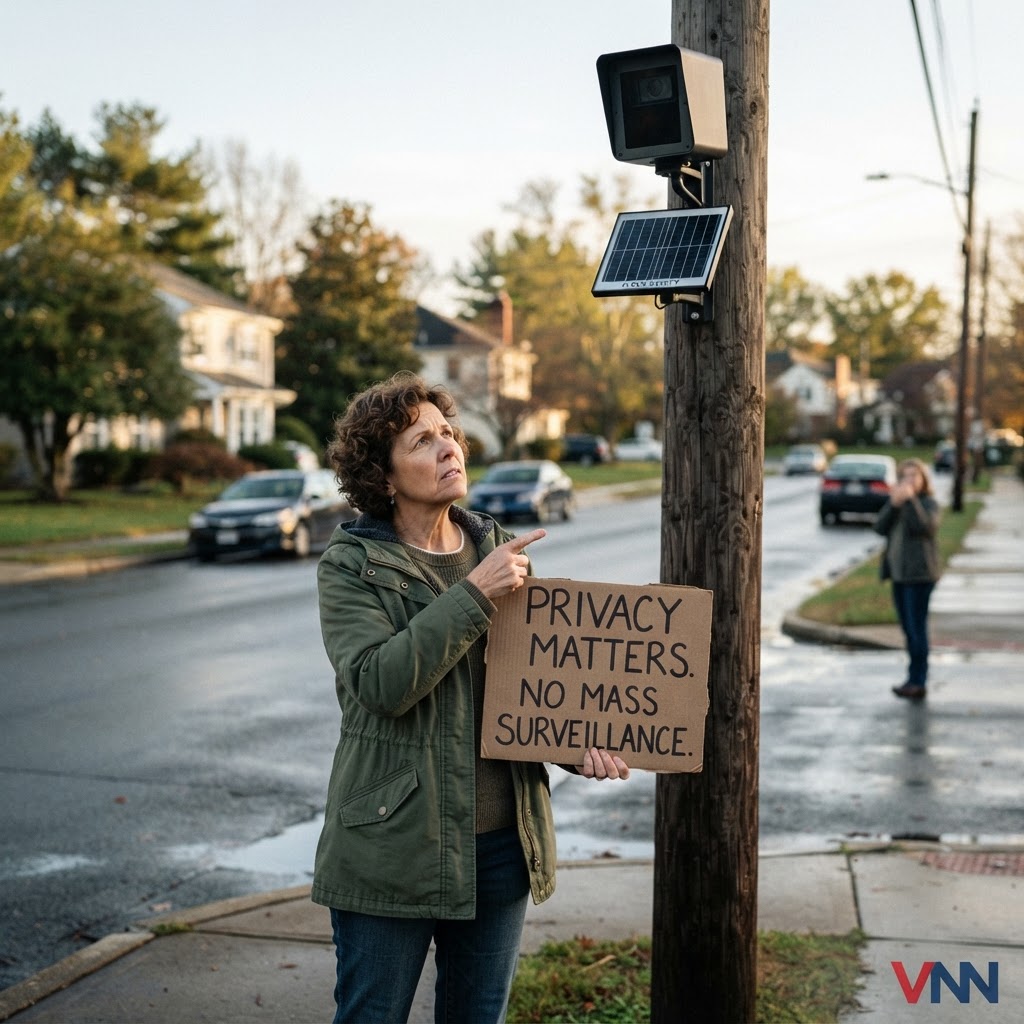
The Silent Expansion of the Surveillance State
Across the nation, thousands of neighborhoods and local police departments are installing Flock Safety cameras, creating an inescapable web of automated surveillance that tracks citizens' movements in real-time. These advanced Automated License Plate Readers (ALPRs) do more than just record vehicles; they utilize machine learning to catalog make, model, color, and specific modifications, effectively turning public roadways into a giant, persistent database. While proponents argue that this technology is a necessary tool for law enforcement to combat crime, the sheer scale of the data collection is unprecedented. Americans are beginning to realize that the 'convenience' of neighborhood security comes at the steep price of total transparency, where the right to travel anonymously is systematically being stripped away by a private corporation that retains significant control over the data.
Data Trails and Privacy Erosion
The most troubling aspect of the Flock ecosystem is the blurring line between private property and state-sponsored surveillance. These private entities collect massive amounts of data that are readily shared with law enforcement, bypassing traditional investigative thresholds and effectively turning homeowners' associations into voluntary informants for the government. This creates a dangerous precedent where surveillance is no longer a tool of last resort, but a perpetual background state of existence for every law-abiding citizen. Privacy advocates have correctly pointed out that the misuse of such data is not just a theoretical risk but a present reality, as local agencies often lack the robust oversight mechanisms necessary to ensure that this vast archive of personal movement is not used for unauthorized tracking or discriminatory profiling. When the government effectively outsources its surveillance capabilities to private vendors, the protections afforded by the Constitution often fall by the wayside.
Reclaiming Liberty in the Digital Age
Citizens are now rightfully sounding the alarm, demanding that local councils and legislatures place stringent constraints on how, when, and why this technology can be utilized. The pushback reflects a broader cultural skepticism toward the tech-heavy, data-obsessed approach to public policy that views every citizen as a potential person of interest. If we allow the normalization of these surveillance networks, we risk losing the fundamental expectation of privacy that has historically defined American freedom. Protecting our society from criminality does not require the creation of a digital panopticon that tracks every coffee run and commute. As the debate intensifies, the core issue remains whether we will preserve our traditional concepts of individual liberty or trade them away in exchange for the false comfort of absolute, algorithmic oversight.


