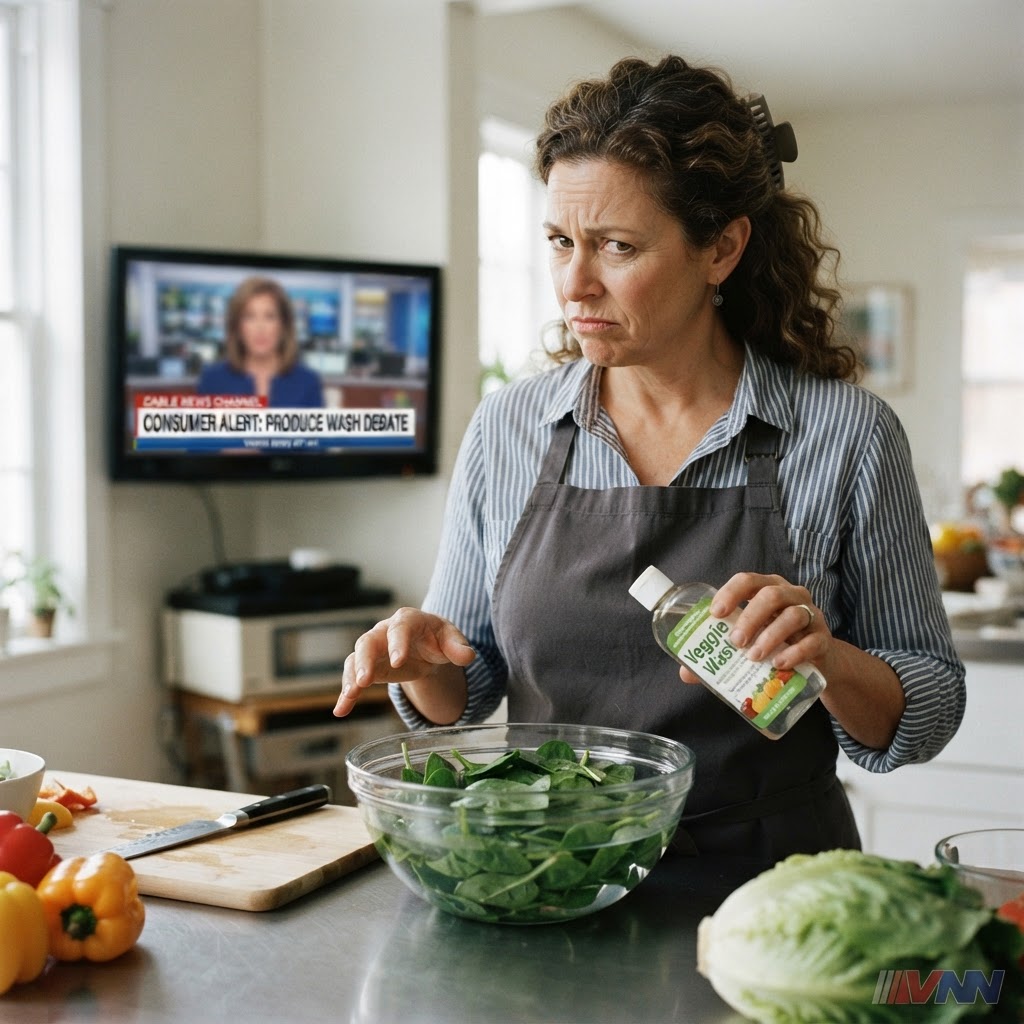
The Produce Wash Scam: Why Your Kitchen Ritual Is Mostly Marketing Hype
Social media influencers are pushing complicated produce-washing routines that offer little more than a false sense of security. Expert analysis confirms that simple water rinses remain the most effective and safest method for cleaning your groceries.
V
VNN
July 13, 2026 · 5:00 AM(4 months ago)
The Rise of Over-Processed Kitchen Rituals In an era obsessed with wellness trends and social media validation, a new phenomenon has taken over the digital landscape: the elaborate produce-washing ritual. Videos circulating on platforms like TikTok showcase influencers dunking berries and greens into expensive, neon-colored chemical baths under the guise of removing 'hidden toxins.' While these videos garner millions of views, they often ignore the basic principles of food science in favor of fear-mongering. The reality is that the vast majority of these specialty produce washes are unnecessary, providing no significant advantage over simple, mechanical cleaning. Marketing firms have successfully convinced a generation of consumers that tap water—the gold standard of public health infrastructure—is somehow insufficient for everyday produce prep.
Science Over Sentiment: What the Experts Actually Say When it comes to food safety, the advice from the FDA and agricultural extension experts has remained remarkably consistent for decades: wash under running water and scrub firmer produce with a clean brush. Specialty washes often contain surfactants or acidic compounds that can actually degrade the texture of delicate fruits or, worse, leave chemical residues behind that were never meant for ingestion. Furthermore, these products rarely address the real issues that cause food-borne illness, such as improper temperature storage or cross-contamination from raw meat surfaces in the kitchen. By focusing on these trendy washes, consumers are essentially paying a premium for a placebo effect while overlooking the actual habits that keep a household healthy.
The Broader Cultural Obsession with Sanitization The trend of hyper-sanitizing our food supply is a reflection of a society that has lost touch with the natural origins of its goods. This performative kitchen behavior mirrors a larger, problematic cultural shift that seeks to eliminate all perceived risk through consumer spending rather than common sense. When we prioritize expensive, non-essential gadgets and liquids over time-tested safety protocols, we erode our self-reliance and become vulnerable to corporate marketing tactics. A healthy, skeptical view of these 'hacks' is not just about saving money; it is about reclaiming common sense in an age where the truth is frequently drowned out by the noise of an algorithm.