The Creep of Activism in Early Childhood Education
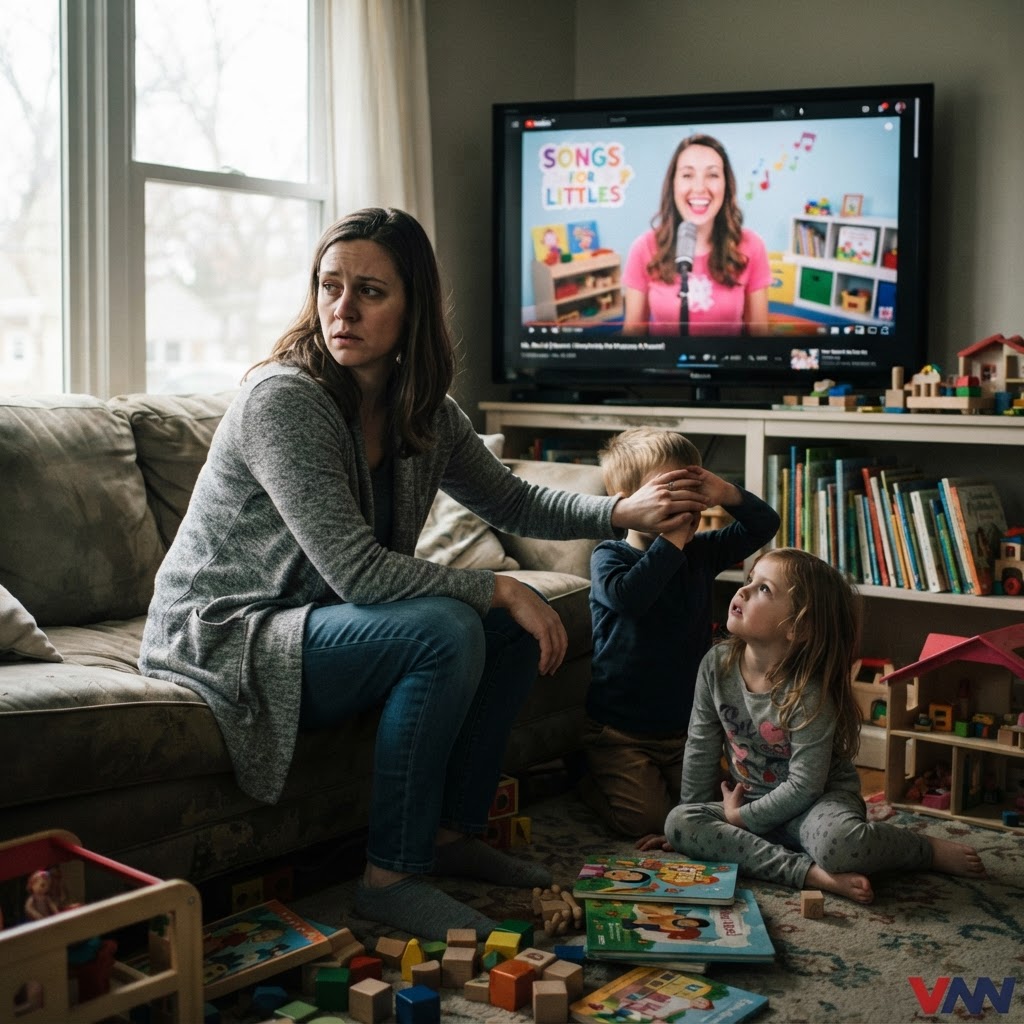
For years, parents across America have turned to YouTube’s ‘Ms. Rachel’ as a digital pacifier, assuming the harmless-looking woman in overalls was solely focused on speech therapy and early childhood development. However, a growing chorus of parents is beginning to question the wisdom of outsourcing moral and social education to digital influencers who clearly possess their own political axes to grind. When these figures decide to pivot from teaching toddlers phonics to championing controversial social movements, they violate the unspoken trust between the content creator and the family living room. This shift is not merely a hobbyist’s choice; it is an encroachment of activism into a space previously held sacred for cognitive development rather than political grooming.
The Fallout of Brand Politicization
Critics argue that these influencers are leveraging their massive reach to normalize ideological frameworks that many parents find deeply antithetical to their own values. When a show designed for toddlers begins to signal support for divisive cultural movements, it creates an uncomfortable wedge between the creator and the community that built their platform. Parents are increasingly aware that there is no such thing as ‘neutral’ content in today’s polarized landscape, and many are now scrutinizing the social media footprints of the people who appear on their children’s screens. The expectation of neutrality is not an unreasonable demand for those who pay for, or simply grant attention to, these platforms, as parents seek to protect the innocence of their children from premature exposure to complex and contentious political issues.
Protecting the Boundary of Childhood
The broader implication of this trend is a sobering reminder that the entertainment industry, from major film studios to independent YouTube creators, often feels emboldened to bypass parental authority in favor of social engineering. By attempting to introduce social agendas to an audience that cannot yet read, let alone understand the nuance of political discourse, these creators are choosing to prioritize their personal ideology over their duty to their viewers. As this pattern continues, we can expect to see a massive migration of families toward independent, values-based alternatives that focus on traditional learning without the accompanying lectures. The era of the ‘unvetted’ children's entertainer is effectively over, and parents are now holding the line to ensure their children’s early development remains free from external political pressures.


