Reclaiming Autonomy from the Industrial Machine
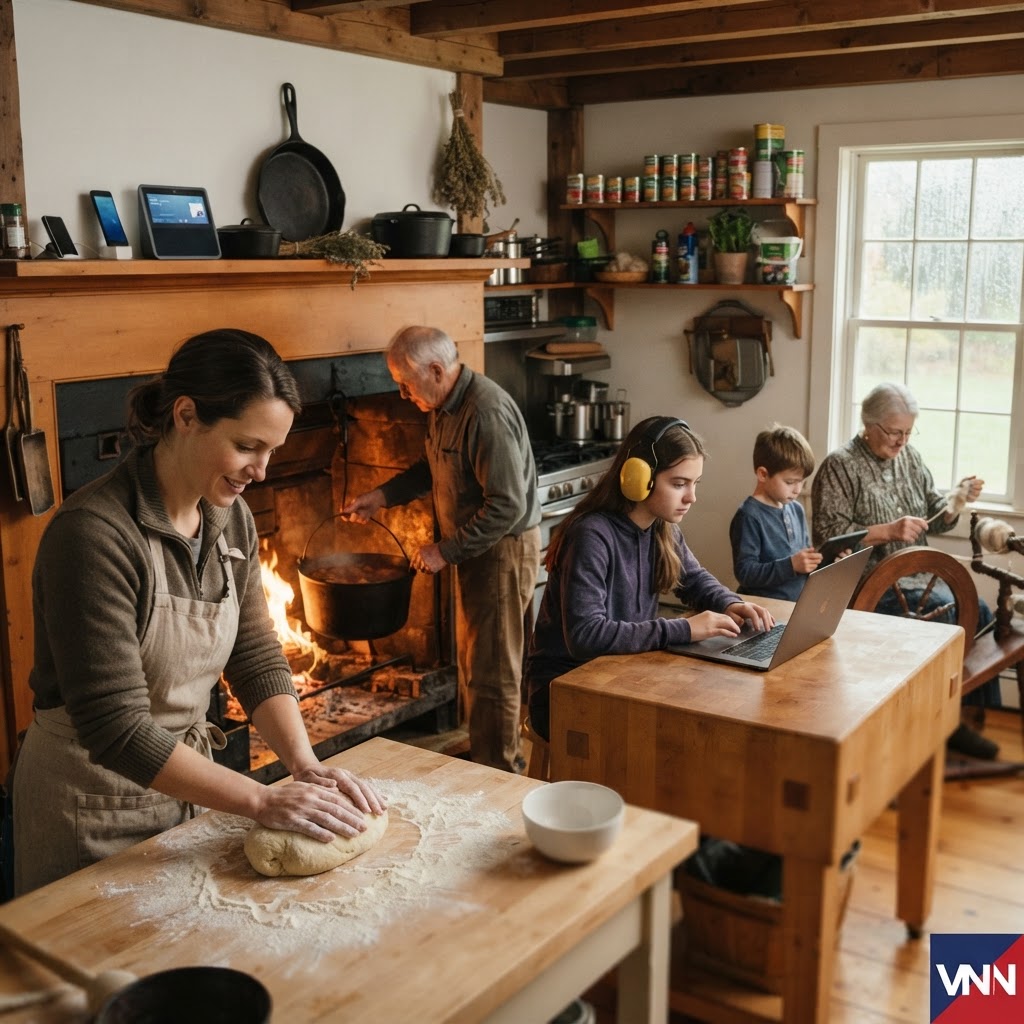
For the vast majority of human history, the household was the undisputed center of economic gravity. From the agrarian hearth to the small-scale trades of the pre-industrial era, families lived, worked, and thrived together in a shared economic ecosystem. The radical shift toward industrial centralization forced parents away from their children and into the stifling confines of corporate offices and factories, effectively outsourcing the foundational pillars of family life to state-run schools and professionalized services. This decades-long experiment in labor fragmentation eroded the traditional social fabric, leaving families dependent on external systems and vulnerable to corporate whims. However, the digital revolution is now facilitating a long-overdue decentralization, granting families the tools to perform meaningful, high-value work from the comfort of their own homes once again.
The Decentralized Advantage
Modern technology has fundamentally dismantled the barriers that once necessitated the physical concentration of workers in urban business hubs. With the rise of high-speed connectivity, sophisticated remote collaboration platforms, and the rapid growth of the creator economy, the geographic constraints that fueled the growth of the bureaucratic state are dissolving. Families are now leveraging these tools to establish micro-enterprises, provide essential services, and cultivate self-sufficiency that was previously unattainable outside of a large corporate structure. This shift represents a return to classical principles of independence, as households are increasingly becoming hubs of innovation and value creation. By bypassing the traditional gatekeepers of the corporate world, citizens are successfully reclaiming their time, strengthening the bond between spouses and children, and fostering a resilient domestic culture that places the family unit at the center of the economy.
A Foundation for Cultural Renewal
The broader significance of this economic pivot extends far beyond the convenience of remote work. As production returns to the household, the social and cultural incentives of the family unit are naturally reinforced, counteracting the atomizing effects of mass-market consumerism. When parents regain the flexibility to manage their own time, they inevitably reclaim the primary responsibility for the education and moral formation of their children, effectively insulating the next generation from the ideological capture prevalent in our public institutions. This decentralized movement is more than just a logistical shift; it is a profound restoration of the foundational conservative values of stewardship, personal responsibility, and the sovereignty of the home. By prioritizing the hearth over the cubicle, families are positioning themselves to withstand the volatility of modern markets while securing a stronger, more independent future for the American household.


