A Collapse of Reality for Progressive Governance
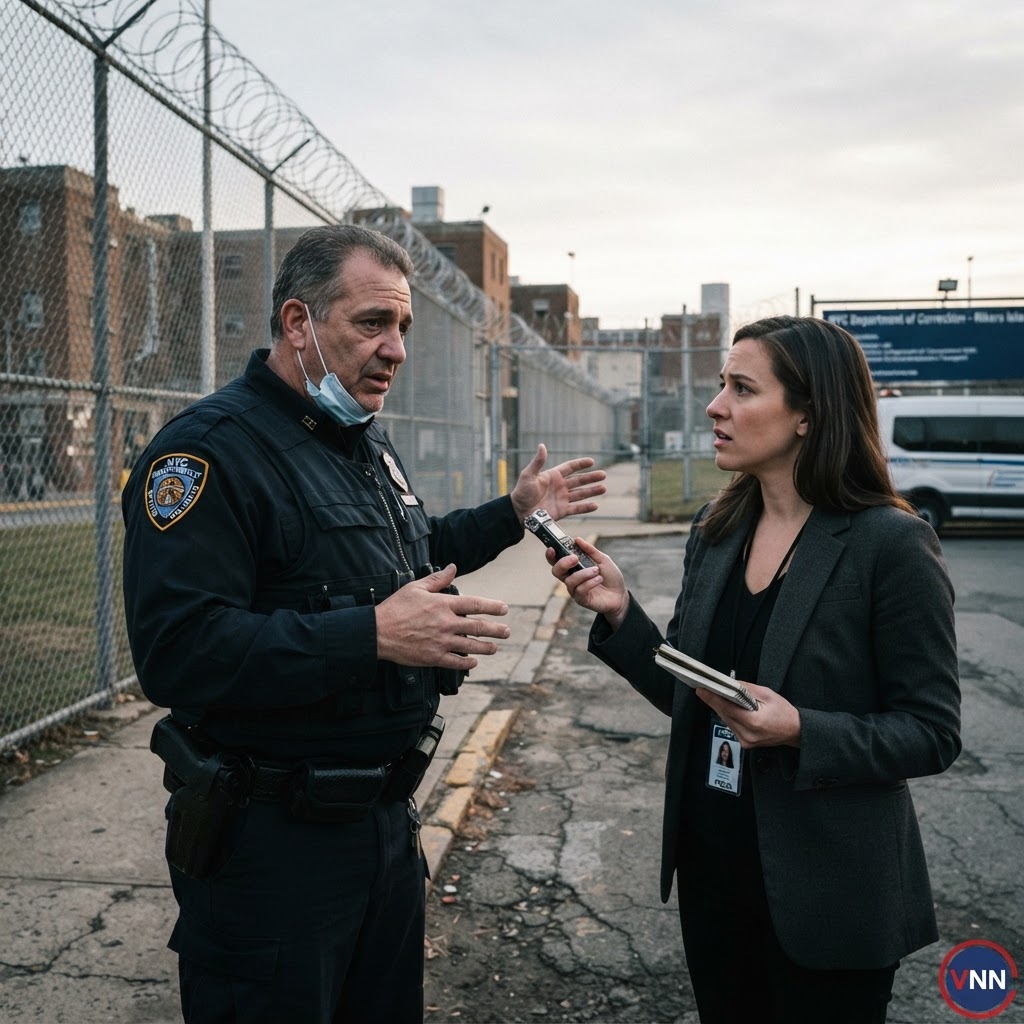
The long-standing promise to shutter the Rikers Island jail complex has finally hit the inevitable brick wall of reality. For years, activists and politicians have championed the total closure of the facility as a cornerstone of criminal justice reform, disregarding the logistical nightmare and the obvious danger posed to public safety. Now, the current administration has been forced to admit what objective observers knew from the start: the timeline is unachievable, and the vision is fundamentally flawed. This admission is not merely a bureaucratic delay; it is a confession that the progressive obsession with dismantling established infrastructure leads to ruin, leaving taxpayers to foot the bill for hollow campaign promises.
The Cost of Ideological Zealotry
Beyond the logistical impossibility lies a severe breakdown in civic responsibility. By pushing for a closure that lacks a coherent, safe alternative, city leadership has flirted with a systemic crisis in corrections management. The plan to replace this massive facility with smaller, borough-based jails was always a vanity project designed to appease the far-left base rather than ensure the efficient operation of our justice system. These smaller jails fail to provide the necessary space or security capabilities, potentially compromising the safety of both guards and the incarcerated population. Instead of focusing on actual rehabilitative programs or enhancing facility security, the city has wasted precious political capital and time on a symbolic gesture that has done nothing but exacerbate morale issues within the Department of Correction.
A Reckoning for New York City’s Future
The failure to close Rikers Island represents a microcosm of the wider collapse of law and order in New York City. When policy is dictated by the desire to appease ideological agitators rather than by the pragmatic requirements of public safety, the result is inevitably instability and administrative paralysis. This moment must serve as a wake-up call for voters who have watched their city descend into chaos under the banner of 'transformational' policy. True progress requires accountability and the willingness to maintain functioning systems, even when they are politically unpopular with the activist class. As the city attempts to recalibrate, it must abandon these performative crusades and return to the foundational principles of effective government that prioritize the safety and security of every law-abiding citizen over the comfort of political theater.


