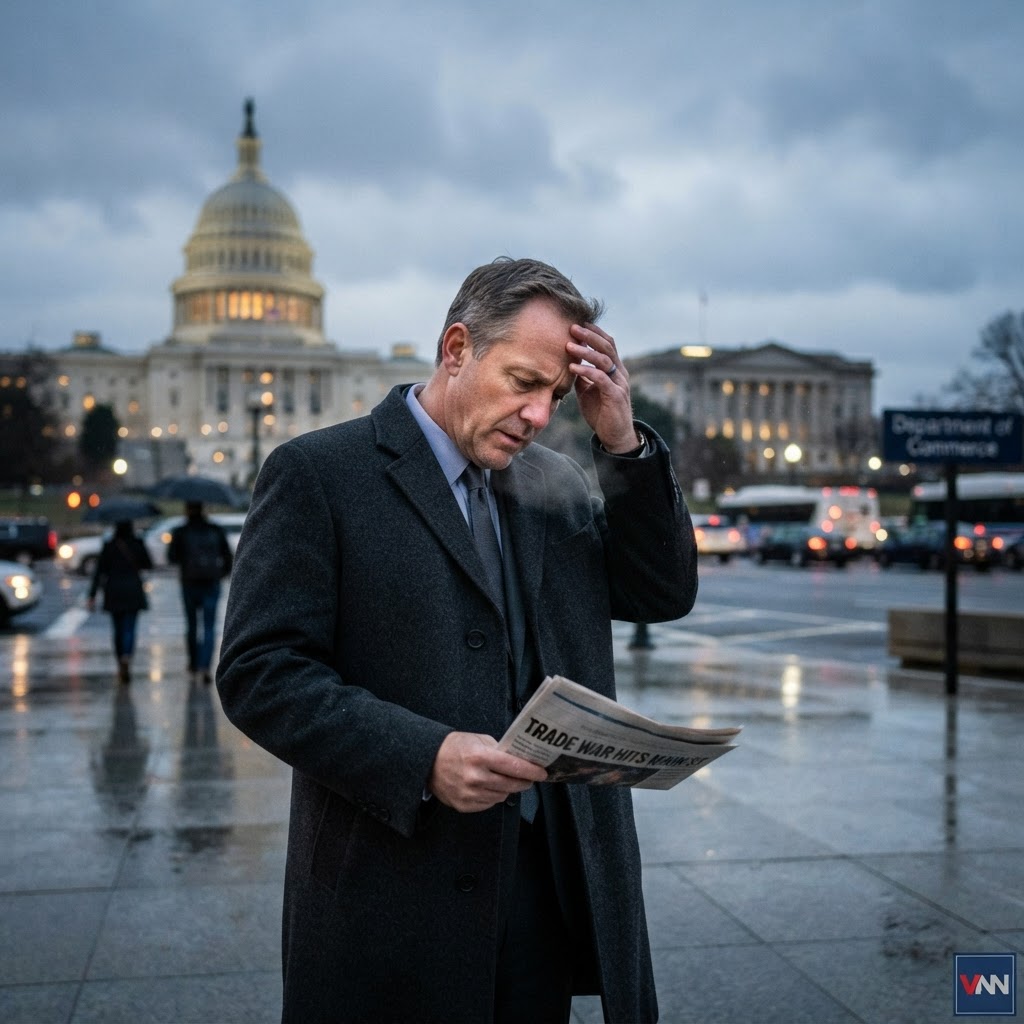
The Illusion of Economic Strategy. In the sterile halls of Washington, policy decisions are rarely weighed on the scales of pure economic merit, despite what the technocratic class might suggest. The ongoing trade friction between the United States and Canada is a prime example of the 'gut-feeling' theory of politics, where symbols and grandstanding overshadow the intricate web of North American supply chains. While intellectuals continue to produce spreadsheets detailing the potential losses from tariffs, the political class is primarily concerned with domestic optics. This disconnect highlights a fundamental truth: modern trade policy has become a weapon of campaign rhetoric rather than a tool for national prosperity, often ignoring the devastating ripple effects on American manufacturers who rely on steady Canadian imports. ## The True Cost of Political Performance. President Trump’s approach to trade serves as a reminder that for many in the executive branch, international relations are viewed through the narrow lens of leverage rather than partnership. By treating vital trade agreements as mere instruments of political pressure, the administration risks alienating our largest trading partner for short-term political gains. Critics from across the aisle have pointed out that these maneuvers often result in retaliatory measures that hit American small businesses the hardest, yet the political narrative remains fixated on the perception of 'strength.' This cycle of escalation creates an environment of profound uncertainty, discouraging private investment and complicating the cost of living for everyday Americans who feel the pinch of inflated consumer prices. ## A Path Toward Policy Realism. The broader social and political significance of this trade war cannot be understated, as it signals a shift away from the traditional Republican commitment to free markets and toward a more nationalist economic paradigm. As this policy agenda moves forward, it threatens to permanently alter the relationship between two nations that have historically functioned as the bedrock of global stability. Unless Washington shifts its focus from performative brinksmanship back to the fundamentals of economic growth and mutual benefit, the long-term impact on the American worker will be measured not in political points, but in lost opportunities and diminished competitiveness on the world stage. True leadership requires the courage to prioritize national health over the temporary applause of the partisan gallery, yet that standard remains sadly absent in the current trade discourse.


