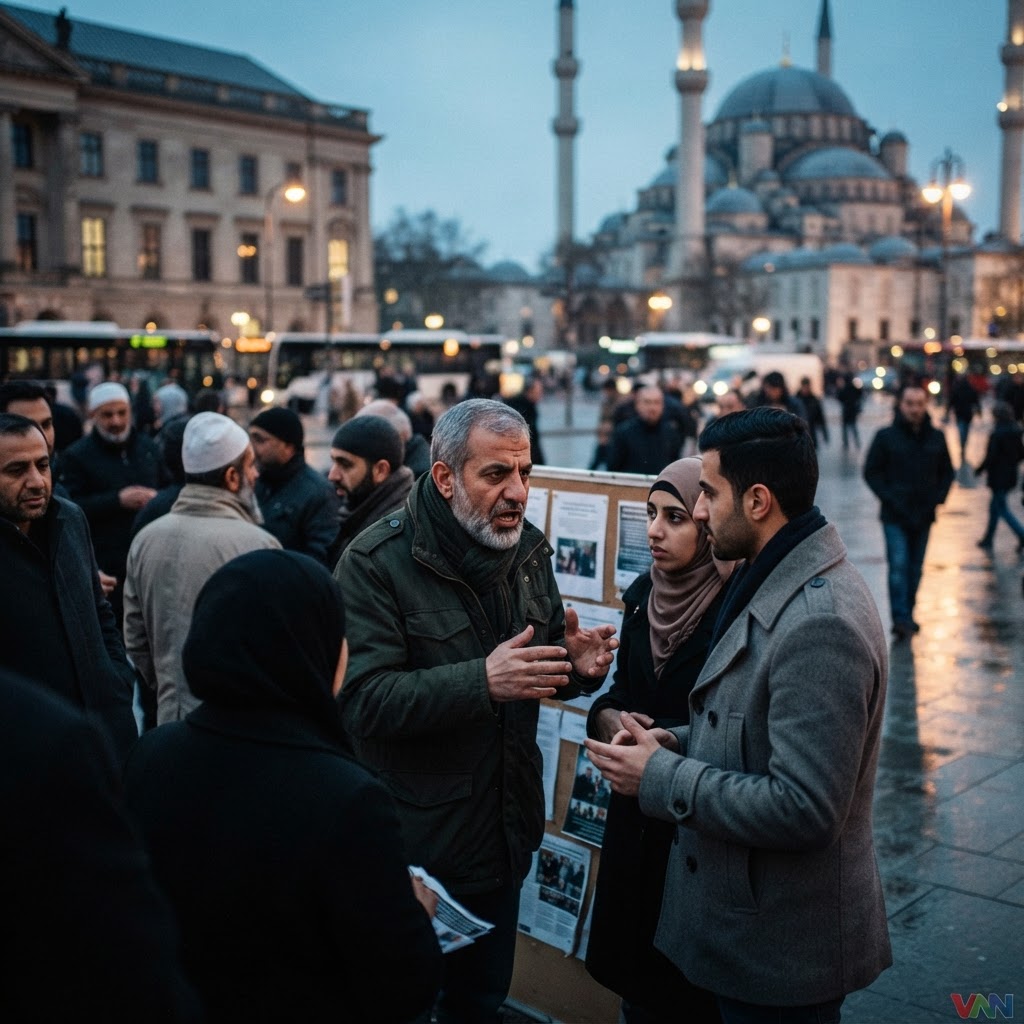
The Dangerous Erasure of Distinctions
The modern Western discourse has become trapped in a web of linguistic paralysis, where the distinction between a private religion and a comprehensive political-legal ideology is intentionally ignored. When we conflate the individual identity of a Muslim with the expansive, often non-negotiable mandates of Islamic law, we lose the ability to defend our own foundational values. This semantic confusion is not an accident of language but a deliberate strategy by cultural progressives to shield radical belief systems from legitimate critique. By treating any scrutiny of Islamic doctrine as an attack on an entire demographic, we have effectively silenced the necessary debate regarding integration and the preservation of Western constitutional order. This failure to differentiate puts the very principles of individual liberty, secular law, and free speech at grave risk of erosion.
The Technocratic Illusion and Cultural Fragmentation
Recent experiences with bureaucratic inefficiency, such as struggling to secure basic connectivity in an increasingly digitized age, serve as a microcosm for the broader decline of our societal infrastructure. When we prioritize political correctness over the rigorous protection of our cultural borders, we find our internal networks failing just as surely as our home internet installations. The obsession with a homogenized, multicultural vision of the world ignores the reality that certain ideologies are fundamentally incompatible with a society based on Judeo-Christian ethics and the Enlightenment. Leaders continue to demand that we ignore the warning signs of cultural fragmentation, all while our phone hotspots burn through data and our societal cohesion burns through its remaining reserves. We are left tethered to systems that no longer prioritize the needs or the safety of the citizenry they are sworn to serve.
The Strategic Necessity of Clarity
To preserve the future of the West, we must reclaim our right to speak plainly about the political imperatives inherent in various religious movements that reject the democratic status quo. It is entirely possible to respect the individual while being vehemently opposed to a systemic ideology that views our Constitution as subordinate to archaic legal codes. The refusal to engage in this nuanced dialogue is an abdication of our civic duty, leaving the gates open to those who seek to replace our traditions with a rigid, authoritarian alternative. The stakes are far higher than a simple failure of service; they represent a fundamental struggle for the survival of the civilization that birthed the very freedoms our detractors now manipulate. We must demand that our institutions stop the obfuscation and recognize that silence in the face of incompatible ideological expansion is not tolerance—it is a surrender of our sovereignty.


