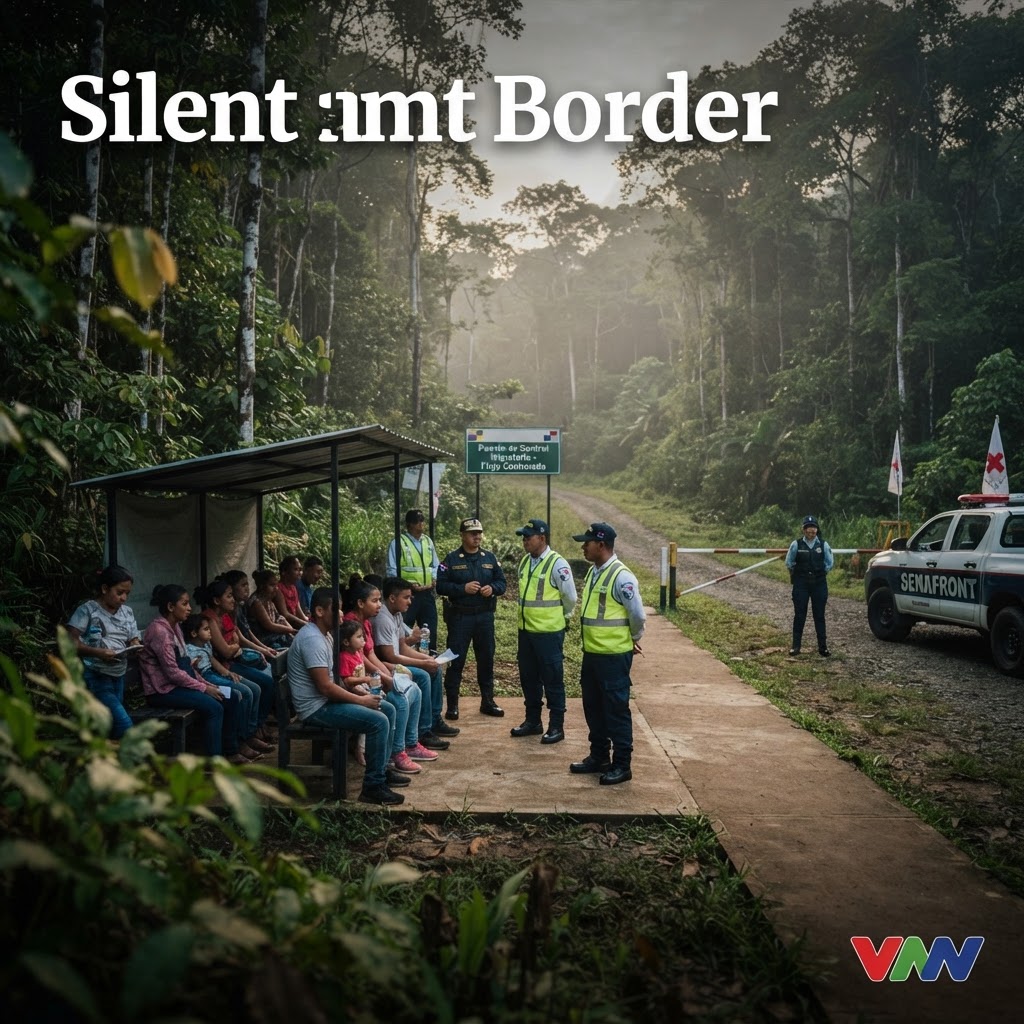
A Lesson in Border Enforcement
For years, the lawless trek through the Darién Gap stood as a symbol of global instability and the failure of border enforcement protocols. In 2023 alone, over half a million people exploited this treacherous jungle path, turning a humanitarian and national security crisis into a daily occurrence. However, recent data from the International Organization for Migration reveals a shocking reality: only one hundred thirty-five irregular crossings were recorded in the first four months of this year. This represents a 95% collapse in traffic compared to the same period in 2025, a statistic that should be dominating headlines but remains buried by major outlets. The turnaround serves as a stark rebuke to those who claim that migration flows are an uncontrollable, natural phenomenon that cannot be managed through decisive government action.
The Power of Strategic Policy
The dramatic reduction in crossings is not the result of magic, but the consequence of renewed political commitment and targeted, firm policies implemented by regional partners. By shifting away from permissive, 'catch-and-release' style frameworks toward rigorous vetting and enforcement-first strategies, the incentive structure for those attempting the illegal journey has been fundamentally broken. This transition proves that when governments prioritize their own sovereignty and the rule of law, the cartels and human smugglers lose their leverage. The fact that this success story has been met with such deafening silence in the mainstream press suggests a desperate attempt to ignore the reality that sovereignty is achieved through policy, not just sentiment or physical walls alone.
Sovereignty and the Path Forward
The implications of this shift extend far beyond the jungle paths of Panama and touch upon the very heart of the global debate regarding border integrity. As the data suggests, the 'crisis' that defined the previous years was, in many ways, a policy choice rather than an inevitability of geography. By enforcing strict entry requirements and coordinating with regional allies to dismantle smuggling operations, nations are effectively reasserting control over their own destiny. As we look toward the future of global migration patterns, this event acts as a blueprint for other nations seeking to restore order, demonstrating that a commitment to the law is the most effective deterrent against those who wish to undermine it.


