The Aesthetic vs. The Reality of Home-Making
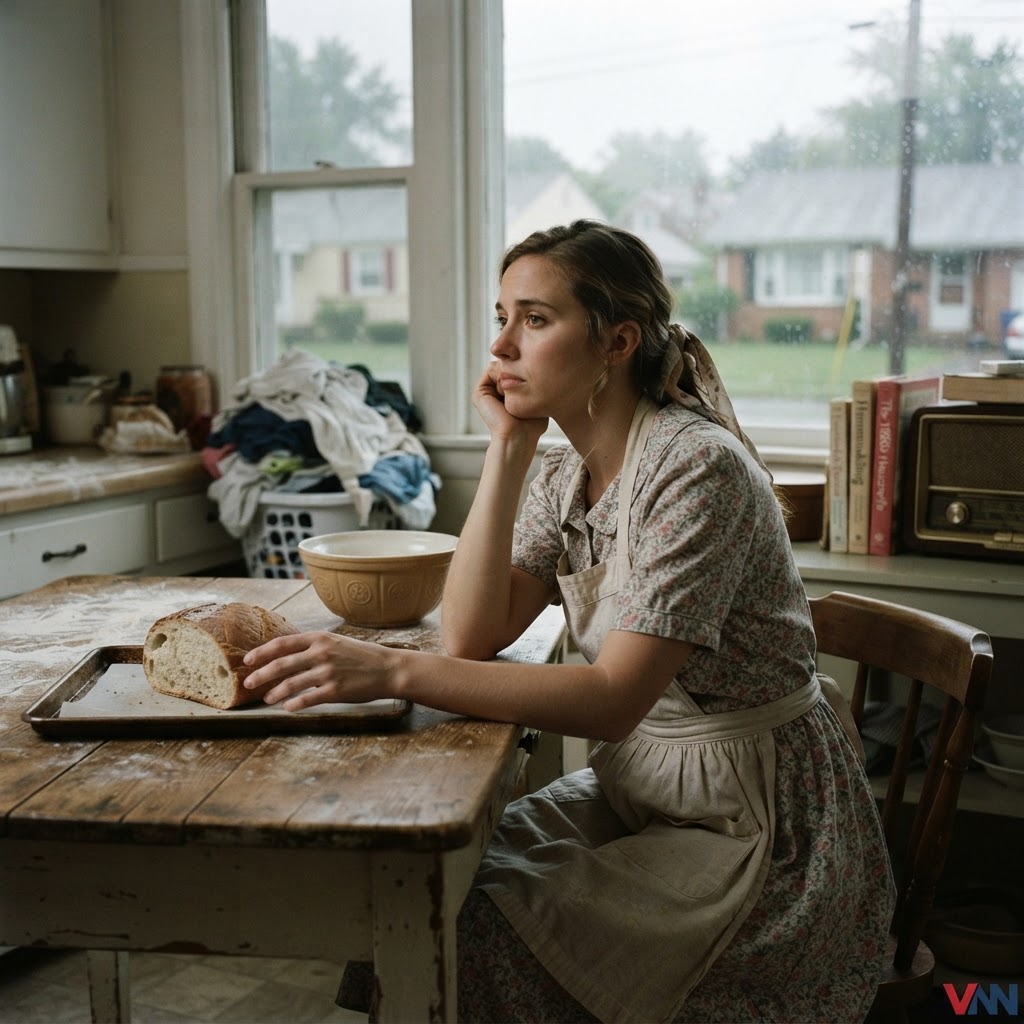
The 'tradwife' movement emerged as a reactionary surge against the radical feminist agenda, promising a return to the foundational sanctity of the nuclear family. Yet, as the initial digital fervor fades, many are discovering that the polished, filtered images of baking sourdough and long linen skirts are a far cry from the grueling, unglamorous reality of raising children and managing a household in a modern, often hostile, economic environment. For many conservative women, the movement began as a genuine protest against the crushing expectations of the modern corporate workforce, which often demands that women abandon their roles as mothers to serve the state or the boardroom. However, the movement quickly devolved into a performative spectacle where the 'content' of the lifestyle became more important than the substance of the family unit itself.
The Erosion of Meaning Through Monetization
As the trend gained traction on platforms like TikTok and Instagram, it fell victim to the very mechanisms of the digital age that it sought to escape: hyper-commercialization and vanity. What started as a sincere desire to prioritize the home became an industrial complex of brand deals, influencer aesthetics, and artificial competition that left many authentic homemakers feeling alienated and inadequate. When a lifestyle movement becomes synonymous with a consumerist identity, it loses its ability to anchor families in enduring tradition. True conservative femininity is rooted in service, sacrifice, and the quiet dignity of the private sphere, yet the tradwife subculture often pushed a frantic, performative version of domesticity that demanded constant validation from an online audience. This reliance on the external gaze undermined the very autonomy the movement claimed to foster, proving that one cannot build a traditional home if the foundation is built on the sands of algorithmic approval.
Reclaiming the Future of the American Family
Looking ahead, the failure of the tradwife movement as a viral trend does not signal the failure of the underlying conservative desire for family-centric living; rather, it highlights a need for a more grounded approach to domestic life. Millions of Americans still recognize that the nuclear family is the backbone of a free society, and they are seeking ways to sustain that ideal without falling into the trap of performative lifestyle marketing. We must pivot away from the superficial 'influencer' culture and toward building resilient, private communities that value intergenerational wisdom over engagement metrics. The preservation of the American family requires more than just a curated Instagram feed; it demands a radical, quiet, and persistent commitment to local engagement, traditional education, and the courage to exist outside the digital panopticon. By focusing on the tangible well-being of the next generation rather than the optics of the current one, conservative women can reclaim the true essence of the home as a fortress against cultural decline.


