In the wake of the Supreme Court's landmark Dobbs decision, Americans expected a reduction in abortion rates—a promise of renewed focus on life and women's health. However, we are witnessing a troubling increase in abortions, largely driven by the widespread availability of the abortion pill, mifepristone. The medical establishment has been conspicuously muted about the serious dangers and side effects associated with this drug, opting to champion its distribution instead of prioritizing women's well-being.
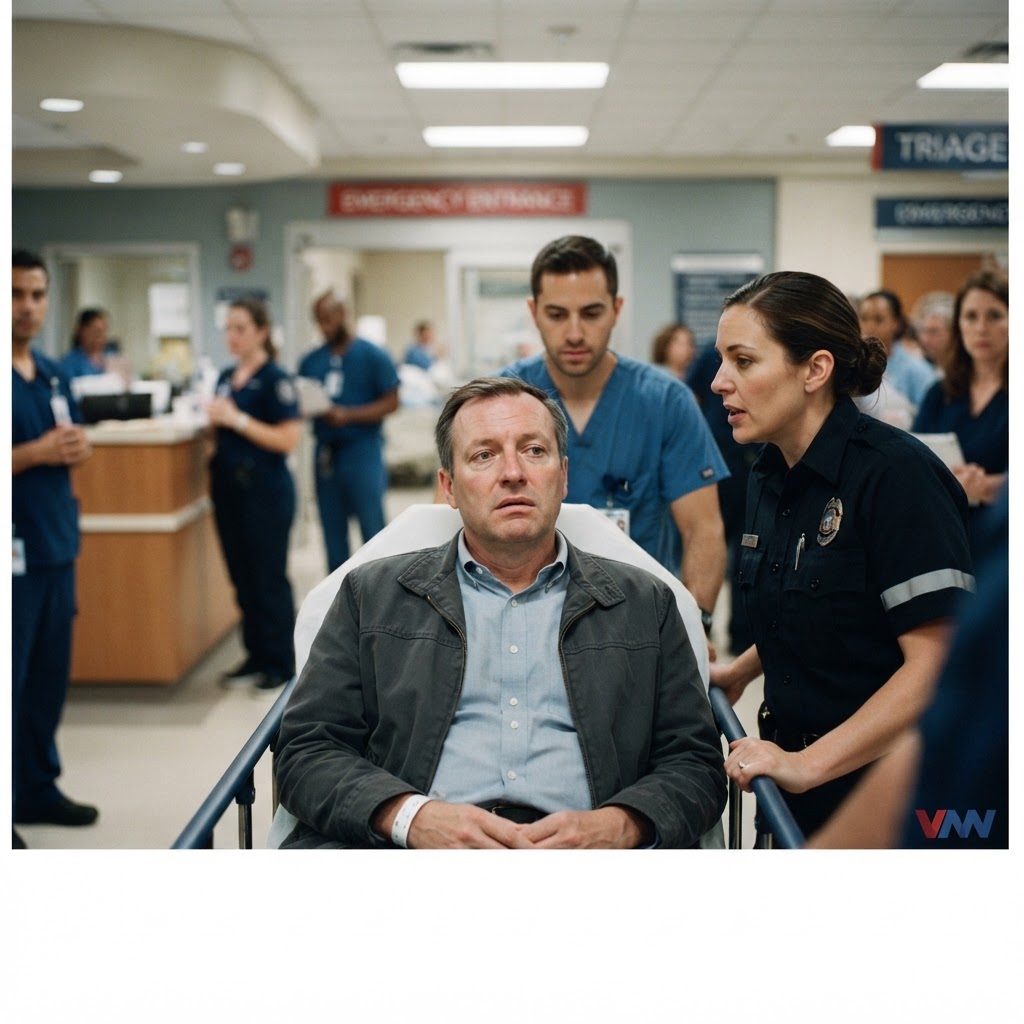
The evidence is clear: studies indicate that complications from medication-induced abortions are on the rise. According to data from the FDA, the number of reports linking mifepristone to significant complications has escalated alarmingly. Women have reported severe bleeding, infections, and other life-threatening situations, leading to emergency room visits across the country. Yet, as these real human stories surface, the medical community continues to downplay risks, framing the pill as a safe alternative to surgical abortions without a thorough discussion of the potential consequences.
Further complicating this issue is the fact that many women seeking abortions often lack access to sufficient counseling or proper medical supervision. A report from the Charlotte Lozier Institute reveals that a substantial percentage of women do not receive adequate information regarding the risks associated with the abortion pill, leaving them vulnerable and uninformed. One mother who experienced severe health complications after taking mifepristone described her experience as “a nightmare”—a direct consequence of being ill-prepared for what was to come. This echoing sentiment is shared among numerous women who express regret and sorrow for their decisions following their experiences with abortion pills.
As America grapples with the shifting landscape of reproductive health post-Dobbs, it is imperative that we confront the unsettling reality of the abortion pill’s impact. By prioritizing women's safety and health, rather than political narratives, we can begin to mitigate the growing crisis. The medical establishment's silence on these critical issues raises important questions about accountability and ethics in healthcare. Now, more than ever, it is crucial to advocate for comprehensive education and transparent discussions surrounding abortion to protect the most vulnerable among us.