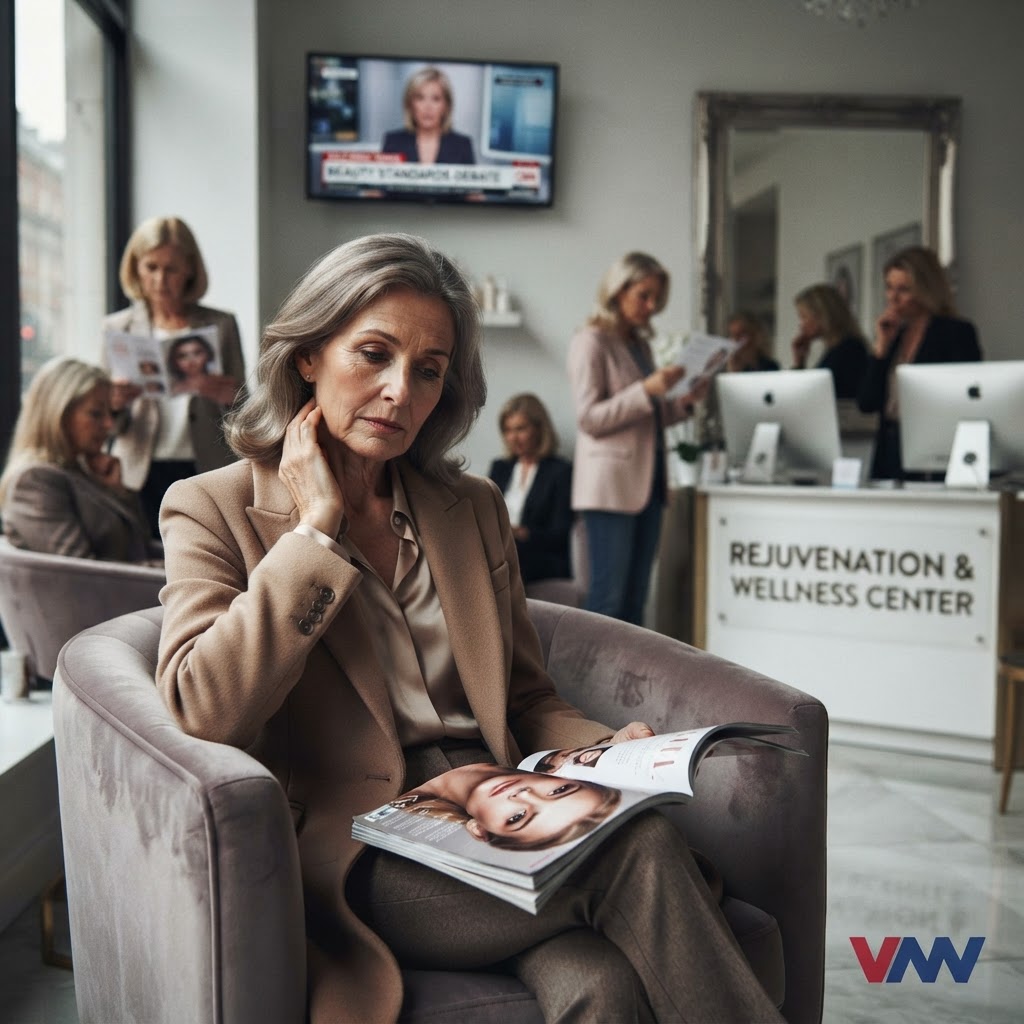
The Unnatural Standard of Modern Aging
In an era defined by social media saturation and the constant pressure to curate a flawless digital image, the definition of aging has been fundamentally altered. Figures like Madonna and fashion designer Vera Wang are frequently touted by mainstream media for their ability to seemingly defy the biological clock, appearing decades younger than their actual years. While proponents argue that this is a testament to personal freedom and the wonders of modern medical aesthetics, the reality is far more complex and arguably more hollow. We are witnessing a cultural shift where the natural, dignified progression of life is being treated as a failure to be corrected, rather than a chapter to be lived. This obsession with external preservation has created a societal echo chamber where the image we project to the world is valued exponentially higher than the wisdom and experience that only comes with true maturity.
The Commercialized Facade
Behind the headlines of 'viral selfies' and 'ageless icons' lies a massive, multi-billion dollar industry built entirely on the anxiety of the aging population. By presenting an image of perfection that is physically impossible for the average citizen to maintain, these celebrities inadvertently fuel a consumerist cycle that targets insecurities rather than promoting healthy living. The pharmaceutical and cosmetic surgery sectors thrive when individuals view their own reflections as problems to be fixed through intervention, rather than natural cycles to be embraced. This is not merely about personal expression; it is a calculated marketing phenomenon that monetizes the fear of the passing years. When our cultural heroes become billboards for the latest injectable trend or surgical procedure, they signal to the next generation that their value is inextricably tied to their ability to remain frozen in their mid-twenties.
A Society Afraid of Its Own History
Beyond the cosmetic implications, there is a profound philosophical concern regarding our collective rejection of the aging process. A civilization that is obsessed with appearing forever young is often a civilization that lacks respect for the elderly and the perspectives they provide. By attempting to mask the physical markers of time, we are essentially trying to hide our own personal and cultural history. True authority and character are built upon the foundation of experiences that are etched into our faces and our actions, yet our culture increasingly pushes us to sanitize this history in favor of a synthetic aesthetic. As we move forward, we must ask ourselves whether the price of looking 'younger than ever' is a loss of our authentic selves and a surrender to a shallow, performative existence that leaves us intellectually and spiritually poorer.