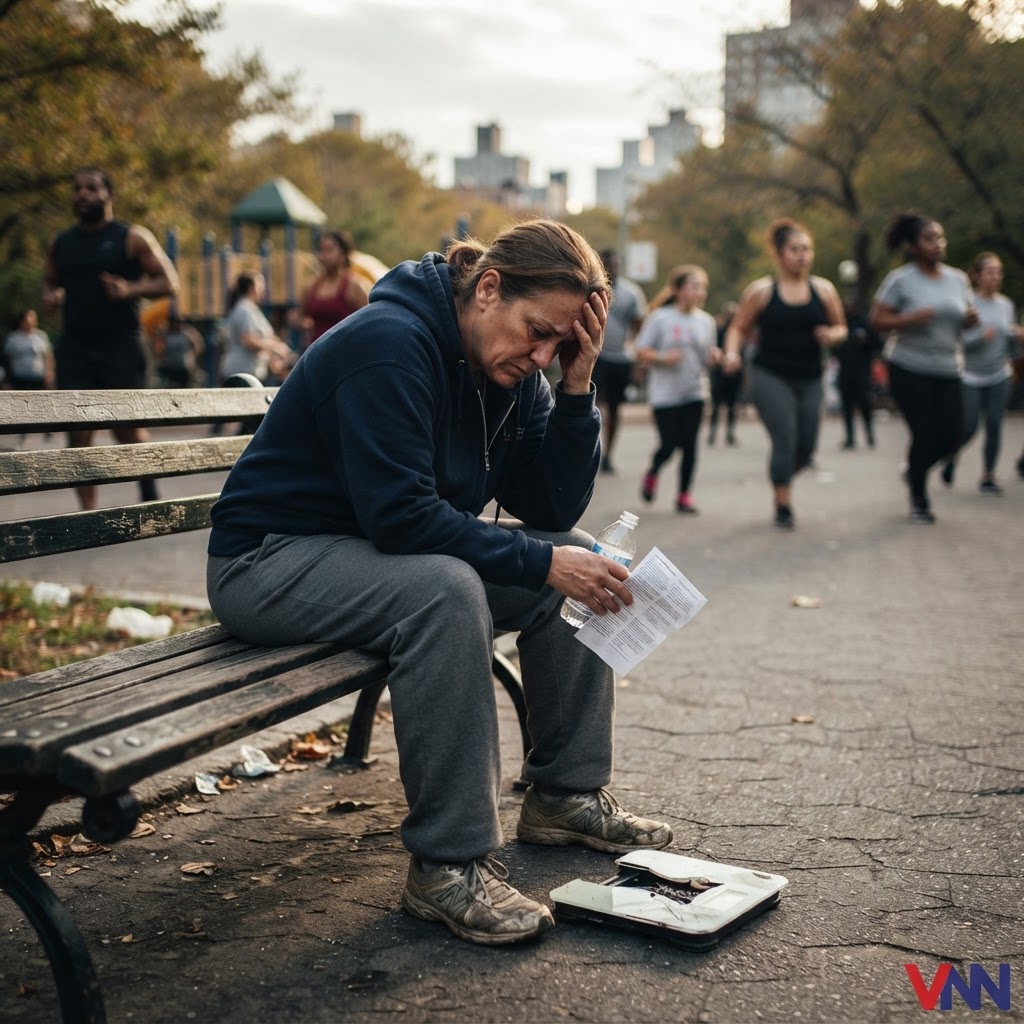
The Weight Loss Crisis: A Nation at a Breaking Point
America’s worsening obesity epidemic is placing an unsustainable burden on our emergency departments and national infrastructure. It is time to address the personal responsibility and policy failures driving this public health catastrophe.
V
VNN
July 20, 2026 · 5:30 AM(4 months ago)
A System Under Duress Every single shift in the emergency department serves as a stark reminder of the devastating toll the American obesity epidemic has taken on our citizenry. We are witnessing a conveyor belt of preventable suffering: 52-year-old fathers suffering catastrophic heart attacks, patients requiring life-altering amputations due to uncontrolled diabetes, and victims of strokes that shatter the ability to communicate with loved ones. The sheer volume of patients presenting with chronic, lifestyle-related conditions has reached a breaking point, leaving our medical professionals stretched thin and our emergency rooms operating in a permanent state of crisis. This is not just a medical issue; it is a profound societal failure that is eroding the vitality and productivity of the American workforce. ## The Cost of Inaction The downstream consequences of this crisis are bleeding our healthcare system dry, with taxpayer-funded programs like Medicare and Medicaid struggling to keep pace with the skyrocketing costs of treating chronic disease. While modern medicine excels at acute trauma, we have become dangerously reliant on pharmaceutical interventions and surgical procedures to fix problems that are largely rooted in poor nutrition and sedentary lifestyles. We must ask ourselves why our public health apparatus is more focused on managing symptoms with costly drugs rather than promoting the fundamental principles of individual health, physical fitness, and dietary discipline. When personal agency is sidelined in favor of a dependency model, we do not see improvement; we see an escalation in morbidity that threatens the long-term sustainability of our nation's healthcare infrastructure. ## A Call for Real Reform The path forward requires a radical shift in how we prioritize wellness within our culture and our political discourse. We must stop enabling unhealthy habits and start championing a return to the basics of human health: real food, regular movement, and the empowerment of the individual to take charge of their own medical outcomes. Ignoring the reality of this epidemic is a disservice to the millions of Americans whose lives are being cut short by avoidable chronic illness. Restoring the health of this nation demands more than just bureaucratic oversight; it requires a renewed commitment to the principles of self-reliance and the recognition that our national strength is fundamentally tied to the physical robustness of our people.