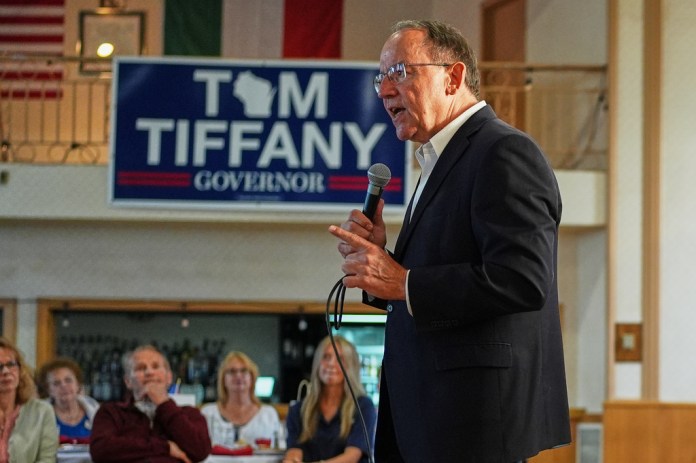
A Stand for Wisconsin Heritage Representative Tom Tiffany, the leading Republican contender in the Wisconsin gubernatorial race, has officially broken ranks with President Donald Trump regarding the proposed renaming of Lake Ontario. In an executive-style directive that shocked political observers and local historians alike, the former president suggested that the landmark should be rebranded as 'Lake America' to instill a new sense of national pride. Tiffany, however, did not mince words when asked about the proposal, making it clear that he views the lakes as settled geographic history that serves as a cornerstone of the Midwest’s identity. Instead of joining the chorus of agreement, the congressman quipped that if anyone were to tinker with the naming conventions of the Great Lakes, he would prefer to see Lake Michigan renamed to Lake Wisconsin, a move intended to bolster the state's regional stature. ## Challenging Presidential Orthodoxy The friction between Tiffany and the Trump campaign highlights a growing nuance within the GOP, where regional interests and cultural pride often collide with the centralized branding efforts of national leadership. By openly dismissing the 'Lake America' plan, Tiffany is signaling to his base that he is an independent thinker who will put the interests and history of Wisconsin voters ahead of national political spectacle. The congressman emphasized that the Great Lakes have maintained their designations for generations, serving as vital economic and environmental pillars that define the identity of the people living along their shores. This stance positions Tiffany as a defender of traditionalist values, effectively demonstrating that he is willing to engage in internal party debate when he believes an issue lacks grounding in the reality of the Heartland. ## The Broader Political Implications Beyond the geographical debate, this disagreement serves as a barometer for how Republican candidates are navigating the influence of the Trump brand in an election year. Voters in the Midwest, a critical battleground for both parties, often value pragmatism and local representation over sweeping, symbolic changes initiated from outside the region. By holding his ground on this issue, Tiffany is reinforcing his credentials as a governor candidate who prioritizes tangible, local issues over abstract culture-war renaming exercises. Whether this public pushback will result in a cooling of relations with the national party leadership remains to be seen, but it certainly underscores a desire for regional autonomy within the conservative movement as we head toward the general election cycle.


