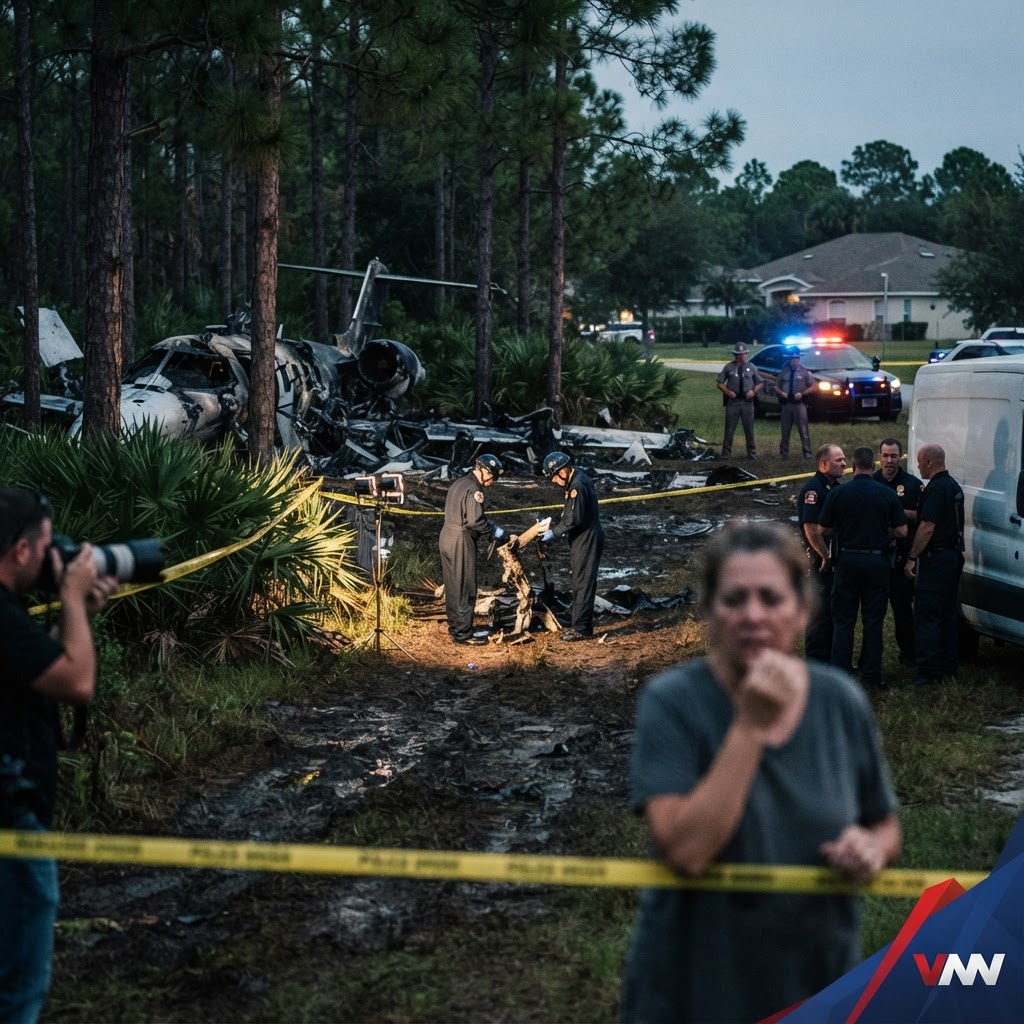
A Community in Mourning The quiet skies over Palm Beach County were shattered this week when a private Learjet plummeted to the earth, claiming the lives of all nine individuals on board. Authorities confirmed the identities of the victims, a somber list that includes a family with young children and a 20-year-old co-pilot whose aviation career was tragically cut short. The aircraft, which reportedly erupted into a massive fireball upon impact, left little for recovery crews to piece together at the crash site. Local residents described the sound as a deafening roar followed by a concussive shockwave, a stark reminder of the inherent dangers involved in private aviation when mechanical failure or pilot error occurs. The National Transportation Safety Board (NTSB) has since descended upon the scene to begin the arduous process of analyzing the wreckage, seeking to determine exactly how a routine flight turned into a localized disaster. ## Unanswered Questions and Safety Concerns The presence of a 20-year-old co-pilot at the controls of such an aircraft has already sparked a broader conversation regarding pilot experience levels and the regulations governing private charters. While the aviation industry often demands extensive hours for commercial carriers, private charter operations face a different landscape of scrutiny. Families and industry watchdogs are now demanding full transparency regarding the plane's maintenance records, the flight path leading up to the impact, and whether the pilot was operating under undue pressure. VNN remains committed to holding agencies accountable for the oversight of private aviation, as every flight must be subject to the highest standards of structural integrity and pilot readiness to ensure the protection of all passengers in the skies above our nation. ## The Broader Implications of Aviation Regulation This incident serves as a grim case study on the importance of strict regulatory oversight in an era where private air travel is becoming increasingly accessible. Beyond the technical investigation, there is a mounting concern regarding the privatization of critical infrastructure and the potential for corners to be cut in the pursuit of efficiency. As we look at the social significance of this tragedy, it is clear that government agencies must prioritize the safety of the public over the interests of private aviation conglomerates. The demand for truth and accountability is paramount, not just for the grieving families left behind, but for every American who relies on the integrity of our transportation systems. We will continue to follow the NTSB findings closely, ensuring that the lessons learned from this catastrophic loss of life are translated into policies that prevent future tragedies.