Transparency Gap: ICE Agents Lacked Body Cameras During Fatal Houston Encounter
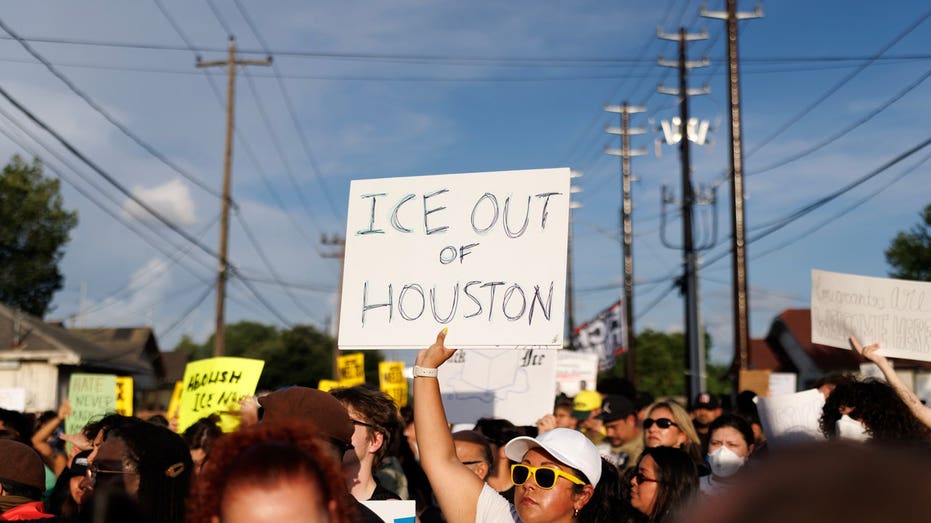
Deep questions regarding federal law enforcement accountability have emerged after it was confirmed that ICE agents were not equipped with body cameras during the fatal shooting of Lorenzo Salgado Araujo. As local and federal investigations intensify, the lack of video documentation is fueling criticism regarding transparency and agency protocol.
V
VNN
July 10, 2026 · 10:02 AM(4 months ago)
A Fail in Transparency During High-Stakes Operations. As federal oversight of immigration enforcement remains a central pillar of national security, the revelation that U.S. Immigration and Customs Enforcement (ICE) agents involved in the fatal shooting of Lorenzo Salgado Araujo were not utilizing body cameras has ignited a firestorm of controversy. In an era where law enforcement transparency is considered the gold standard for maintaining public trust, the absence of objective video evidence in a lethal use-of-force incident is inherently problematic. While ICE has historically operated under different tactical mandates than local police departments, this incident serves as a jarring reminder of the growing expectations for technological accountability across all levels of federal law enforcement. Without the clarity that footage provides, both the agency and the public are left navigating a vacuum of conflicting narratives that hinders the pursuit of truth.
Investigations Mount Amid Procedural Concerns. The Houston shooting has triggered multiple inquiries, with local law enforcement and internal federal review boards scrambling to piece together the events that led to the use of force. Legal experts and advocates for law enforcement accountability point out that the inability to review real-time footage leaves officers vulnerable to unsubstantiated claims and prevents the public from gaining a definitive understanding of the threats faced on the ground. The lack of standard body-worn camera mandates within ICE operations has been a recurring point of contention for some time, particularly as the agency faces an increasingly dangerous border environment. Proponents of mandatory equipment upgrades argue that federal agencies must modernize their tactical standards to avoid exactly these types of credibility gaps during high-pressure engagements.
The Broader Struggle for Accountability. This incident highlights a significant and widening divide between the operational needs of federal immigration agents and the public’s increasing demand for systemic accountability. As the federal government continues to navigate the complexities of border security and interior enforcement, the absence of standardized recording protocols presents a political liability that undermines the integrity of agency operations. Law-abiding citizens expect federal agents to act with precision and professionalism, but without concrete evidence like body-cam footage, incidents involving loss of life become flashpoints for ideological warfare rather than objective analysis. Moving forward, the pressure on the Department of Homeland Security to justify these procedural blind spots will likely only intensify as Congress and the American people demand greater clarity regarding how federal enforcement power is exercised in our communities.