A Decisive Strike Against Tehran's Lifelines
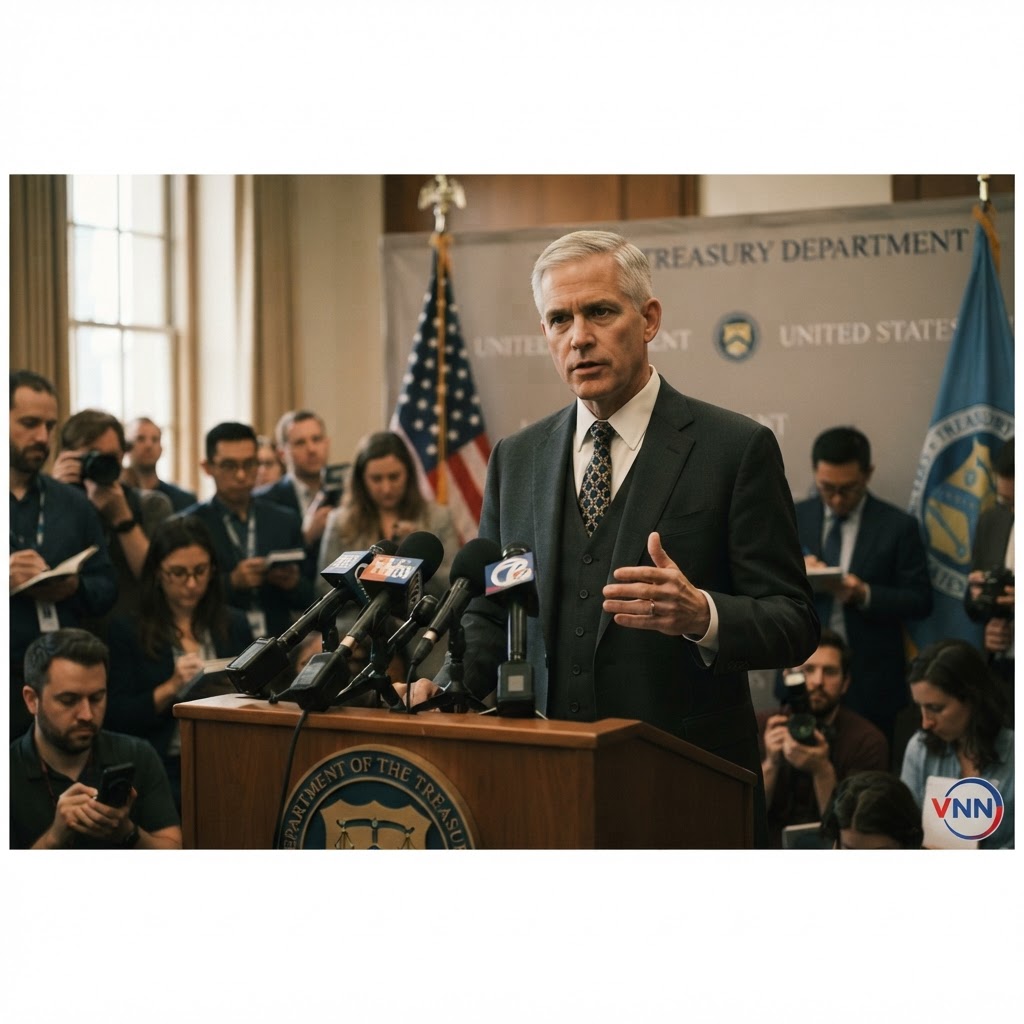
Treasury Secretary Scott Bessent delivered a blunt message to the Iranian regime during the Breitbart News 'State of the Economy' event this Tuesday, confirming that the Trump administration has intensified its economic pressure campaign. By imposing targeted sanctions on a major Iranian airline and preparing to strike another critical banking institution later this week, the White House is demonstrating that it will not tolerate the regime’s destabilizing behavior. Secretary Bessent utilized stark language to describe the status of the Iranian leadership, stating that 'the snake is dead but it doesn't know it's dead.' This bold imagery highlights the administration’s belief that the systematic strangulation of Iran’s economy is effectively stripping the regime of its ability to project power abroad or sustain its domestic grip.
Severing the Financial Arteries of Terrorism
For too long, international appeasement strategies have allowed Tehran to fund proxy militias across the Middle East while avoiding true accountability. The Trump administration’s decision to choke off aviation networks and banking infrastructure is a tactical maneuver designed to isolate Iran from the global financial system entirely. By targeting these specific conduits, the Treasury Department is making it exponentially harder for the regime to move funds, procure spare parts for their military hardware, or facilitate the export of chaos through the Islamic Revolutionary Guard Corps. Experts have long argued that sanctions are only as effective as their enforcement, and Bessent’s announcement suggests a renewed, aggressive focus on closing loopholes that have historically allowed Tehran to circumvent international mandates.
Restoring Peace Through Strength
This escalation of sanctions marks a significant pivot toward a 'maximum pressure' doctrine that favors economic dominance over hollow diplomatic negotiations. As the administration continues to unravel the complex web of shell companies and financial fronts used by the Iranian regime, the ultimate goal remains the total neutralization of their regional aggression. This policy move is not merely a bureaucratic task; it is a fundamental shift in the regional security paradigm that prioritizes American interests and the stability of our allies. As the pressure mounts, the world is watching to see how the regime survives the tightening grip, but one thing is certain: the era of enabling the Iranian state to weaponize its treasury against the free world is officially over. This resolute approach serves as a warning to all rogue actors that the United States is reclaiming its role as the world's primary enforcer of security and economic sovereignty.


