## Controversial Guidelines Under Scrutiny
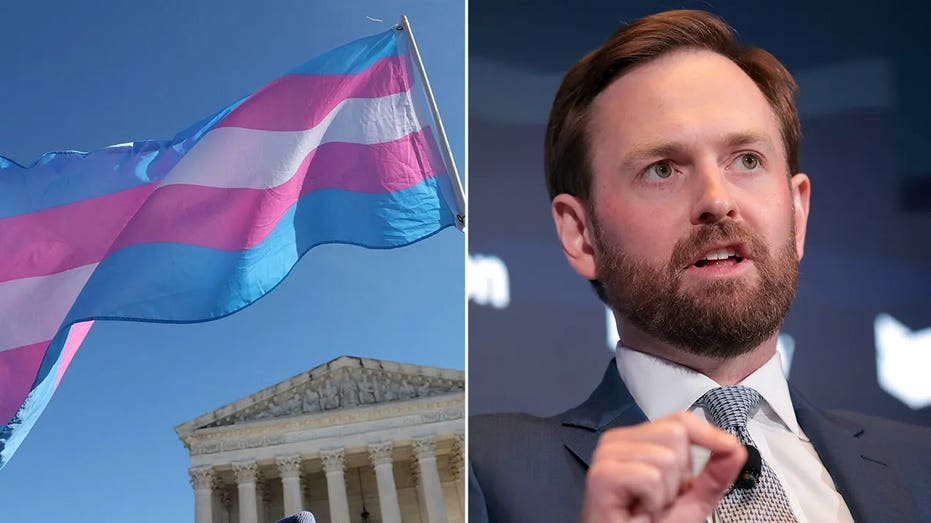
The Trump administration's investigation into the WPATH is drawing significant attention, as it reveals potentially flawed foundations upon which transgender treatment guidelines for minors were built. According to the FTC, numerous internal communications within WPATH indicated that its leaders were aware of the limited and uncertain evidence supporting the practices prescribed for gender dysphoria in young people. Critics argue that this revelation undermines the credibility of these guidelines, which have been widely adopted in clinics across the country.
## Potential Ramifications for Youth Treatment
This probe arrives at a crucial time in the national conversation about transgender treatment for minors. Many states have already begun to re-evaluate their health policies in light of growing concerns about the long-term implications of early medical intervention. As more families are drawn into discussions of gender identity and treatment options, the doubts surrounding WPATH’s authority may lead to increased scrutiny and a push for more rigorous standards before youth undergo irreversible medical procedures. One commentator remarked, “If the foundational science is flimsy, we must reassess how we’re treating our children.”
## Broader Political and Social Implications
The ramifications of the FTC's findings extend beyond medical guidelines; they strike at the heart of political ideology surrounding gender issues. Conservative lawmakers are now calling for a federal review of all state-sponsored gender treatment programs for minors. With the investigation’s potential to challenge widely adopted practices, it could spawn a new wave of legislation that emphasizes safeguarding parental rights and ensuring that medical care is based on robust scientific evidence. Such developments may shift the landscape of transgender health policy significantly in the coming years, bringing the debate into sharper focus as public opinion continues to evolve.
In this era of heightened accountability, this investigation may serve as a crucial turning point, demanding that policymakers align health guidelines with sound medical practices to genuinely protect youth.


