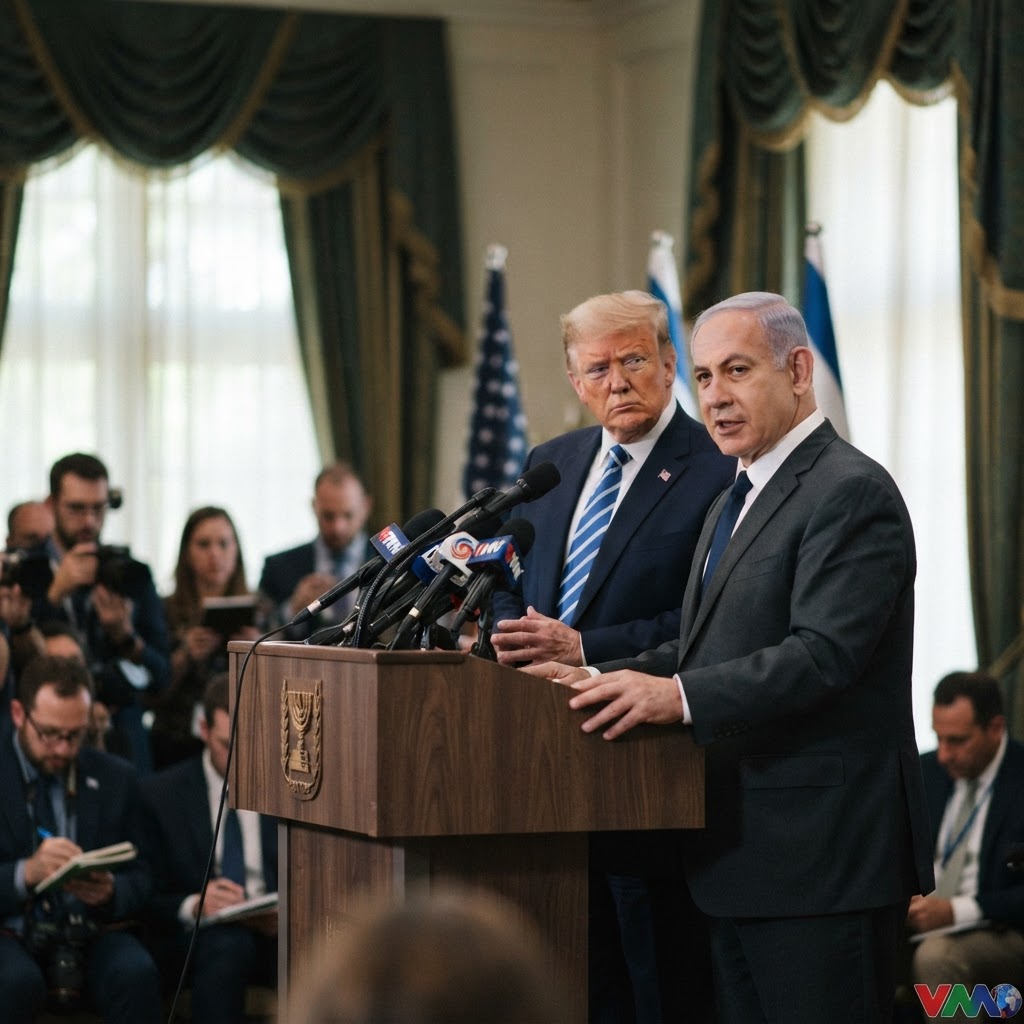
A Unified Stance Against Iranian Aggression
The historic meeting between President Donald Trump and Israeli Prime Minister Benjamin Netanyahu at the White House this week served as a powerful signal to the international community that the U.S.-Israel alliance remains the bedrock of Middle East stability. As the Biden-era policies of appeasement have reportedly emboldened regional actors, the return of a decisive, peace-through-strength doctrine was on full display. The two leaders discussed the urgent necessity of maintaining maximum pressure on Tehran, ensuring that Iran’s nuclear ambitions are met with credible military and diplomatic consequences rather than empty rhetoric or failed negotiations. This high-level engagement effectively draws a clear red line that the Iranian mullahs would be foolish to cross, signaling that the era of tactical ambiguity regarding the security of the Jewish state is effectively over.
The Failure of Diplomacy and the Path Forward
For years, international consensus focused on flawed framework agreements that provided Iran with the economic liquidity necessary to fund global terrorism while only temporarily delaying their nuclear timeline. President Trump’s administration has consistently argued that these diplomatic routes have only served to line the pockets of the regime in Tehran, leading to increased regional volatility and the destabilization of U.S. allies. By meeting with Prime Minister Netanyahu to reaffirm this hard-line commitment, the White House is preparing a strategy that prioritizes national security and regional deterrence over the desperate quest for a legacy-defining treaty. Sources familiar with the discussions suggest that the president is now weighing options ranging from the tightening of current sanctions to the authorization of targeted military action, should the regime in Tehran continue its current trajectory toward enrichment.
Global Security and the Future of the Region
The significance of this meeting extends far beyond the borders of Washington and Jerusalem, as it reflects a fundamental shift in the global political landscape. As Western nations struggle with internal divisions and weak foreign policy, the strengthening of the U.S.-Israel axis provides a necessary bulwark against the rising influence of adversaries in the East. This meeting serves as a poignant reminder that true security in the Middle East is not achieved through isolationism or international hand-wringing, but through clear, decisive leadership that recognizes who our friends are and who our enemies are. By aligning their defense strategies, the United States and Israel are setting a new standard for sovereign nations to follow—one that prioritizes the existential safety of their people and the preservation of global peace against the encroaching shadow of totalitarian nuclear expansionism.


