A Shift in Strategy
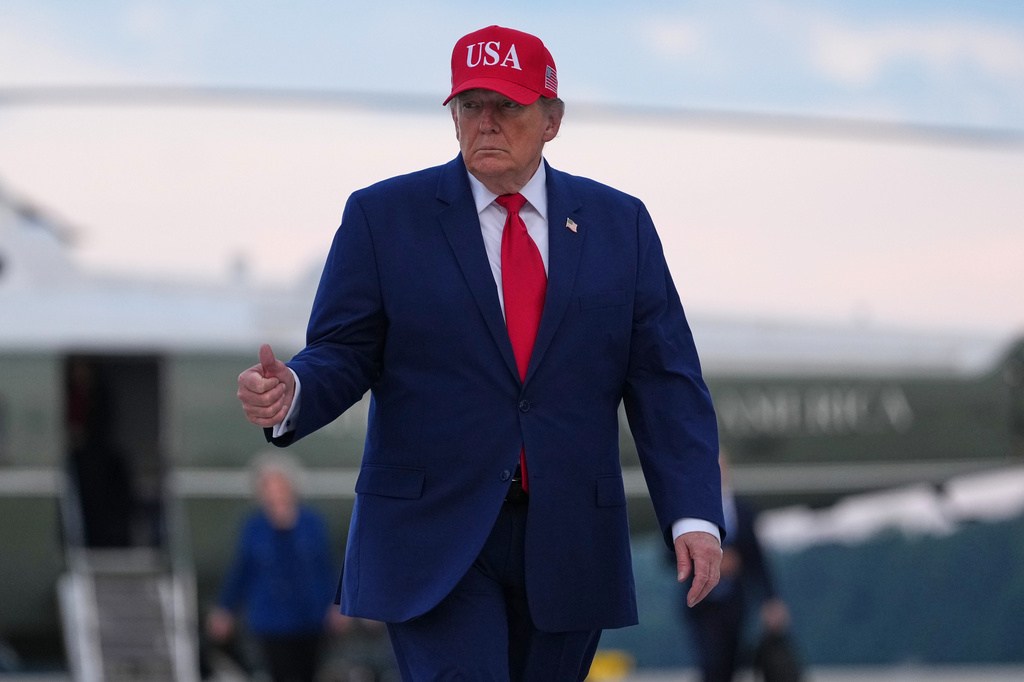
President Donald Trump delivered a blunt assessment on Sunday regarding the ongoing conflict in Eastern Europe, explicitly stating that Ukrainian President Volodymyr Zelensky appears unwilling to pursue a path toward peace. The former president’s comments arrive amidst a significant recalibration of U.S. foreign policy, underscored by an executive order signed Friday that rolls back extensive sanctions and tariffs previously imposed on Russia. Trump characterized his strategic shift as a necessary pivot toward American interests, asserting that the current administrative approach to the war has been both costly and ineffective. By questioning the motivations of the Ukrainian leadership, Trump is signaling a definitive break from the bipartisan establishment consensus that has prioritized unlimited military and financial aid to Kyiv, regardless of the diminishing strategic returns.
The Price of Protracted Conflict
Critics of the current trajectory argue that the war has stagnated into a bloody, multi-year stalemate that drains the American treasury while failing to secure a durable diplomatic solution. Trump’s latest rhetoric suggests a growing frustration with the perceived lack of accountability and transparency from the Zelensky administration. The implementation of the executive order, which aims to normalize certain trade relations, serves as a direct challenge to the geopolitical status quo that has sought to isolate Moscow at the expense of global energy markets and domestic inflation. Supporters of this move argue that economic engagement, or at the very least the removal of punitive barriers, is a key leverage point that may force a negotiation table that has been largely empty since the early months of the conflict.
Sovereignty and Global Realignment
This development marks a pivotal moment in the broader conservative movement’s effort to redefine the role of the United States on the global stage. By prioritizing ‘America First’ principles, the political discourse is shifting away from perpetual foreign interventionism toward a focus on national sovereignty and pragmatic diplomacy. This approach forces a reckoning for international leaders who have long relied on American support without providing a clear roadmap for peace or fiscal responsibility. As the debate intensifies, the core issue remains whether the United States can continue to bankroll foreign conflicts indefinitely or if a new era of restraint is required to safeguard the nation’s future stability and economic prosperity.


