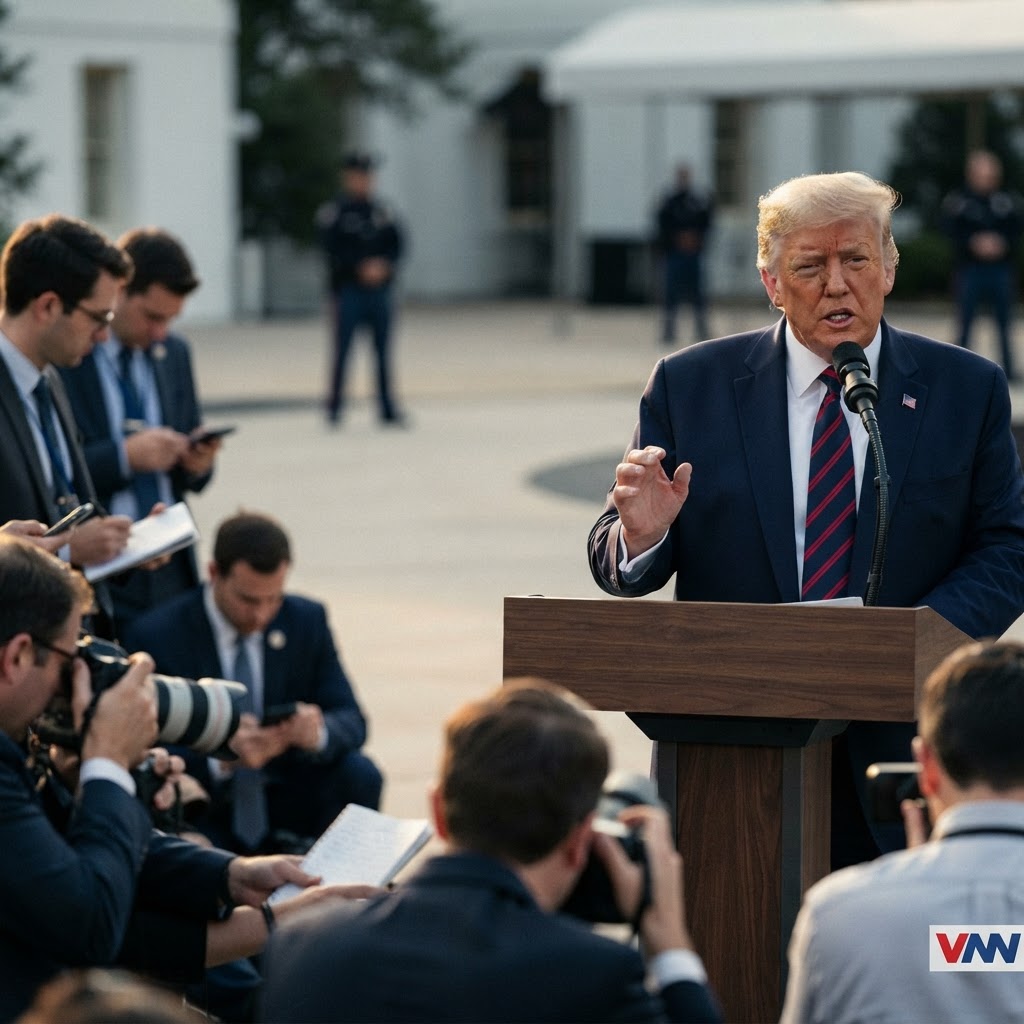
A Decisive Shift in Middle East Strategy
President Donald Trump took definitive action on Wednesday, declaring the previously established ceasefire with the Islamic Republic of Iran to be completely null and void. This bold move follows a relentless string of provocations by Tehran, which has repeatedly targeted international commercial vessels traversing the strategic Strait of Hormuz. By abandoning the fragile agreement, the President has signaled that the United States will no longer tolerate the blatant disruption of global energy security or the harassment of peaceful maritime trade. Military analysts suggest this escalation marks a fundamental return to a 'peace through strength' doctrine, prioritizing national security interests over failed diplomatic entreaties that only served to embolden the Iranian regime.
Precision Strikes on Iranian Military Infrastructure
In immediate response to the administration's policy shift, U.S. forces launched a series of high-precision aerial strikes against key Iranian military installations. These targets, identified as command centers and forward operating bases used to coordinate attacks on merchant ships, were effectively neutralized in a display of American tactical dominance. Pentagon officials confirmed that the strikes were carefully calibrated to degrade Iran’s offensive capabilities while minimizing risks to regional stability. This military operation is seen as a necessary correction to the prior administration’s policy of appeasement, demonstrating that under the current leadership, attacks on American interests will be met with overwhelming and swift retaliation.
Securing Global Trade and Sovereign Interests
The broader implications of this escalation extend far beyond the immediate tactical victories in the Persian Gulf. By reclaiming the initiative, the United States is reaffirming its role as the primary guarantor of global maritime freedom, ensuring that vital supply lines remain open to the world economy. The Iranian regime, which has long relied on asymmetrical warfare and proxy intimidation, now faces the reality of a United States that is prepared to enforce its red lines with unrelenting force. As tensions continue to mount, the President’s stance serves as a crucial message to global adversaries that the era of Western passivity has come to an end, reinforcing the necessity of firm leadership to maintain the global order and protect the economic prosperity of the American people.


