A Shift in Strategy: Confronting Tehran Directly
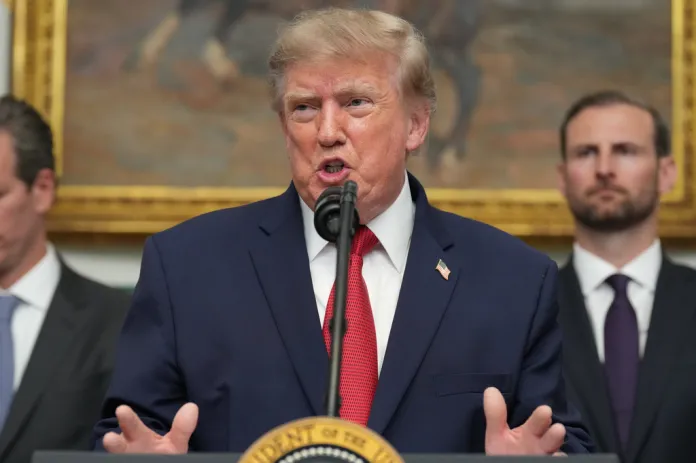
President Donald Trump has decisively pivoted from the failed diplomatic appeasement strategies of previous administrations, signaling a new, aggressive era in foreign policy with his declaration of an 'economic D-Day' against Iran. After months of fruitless peace talks that provided the regime with a facade of legitimacy, the President has made it clear that the United States is no longer interested in empty promises. This strategic shift serves as a stark warning to the Iranian leadership that the era of Western patience has expired, and the administration is now prepared to utilize the full weight of American economic hegemony to dismantle the financial foundations of their malign influence. By pulling back from the negotiating table, Trump is reclaiming the initiative, forcing the conflict into a domain where the U.S. holds absolute superiority: the global financial system.
Demanding Accountability from Global Allies
The core of the 'economic D-Day' initiative is a non-negotiable demand for international cooperation, as President Trump signaled that the United States will no longer tolerate partners who play both sides of the fence. Washington is making it clear that allies must now align their fiscal policies with American security objectives or risk being locked out of the U.S. markets that they rely upon for their own prosperity. This directive marks a bold departure from traditional multilateralism, replacing consensus-based diplomacy with a firm expectation of loyalty to the American-led order. As the administration prepares to implement secondary sanctions, the message to global entities is loud and clear: the time for indecision has passed, and any financial engagement with the Iranian regime will be treated as an act of hostility against American interests.
The Path to Regional Stability
Beyond the immediate economic pressure, this move represents a long-overdue restoration of 'Peace Through Strength,' a doctrine that the Trump administration views as the only language the Iranian leadership understands. By choking off the revenue streams that fuel the regime's illicit proxy activities and ballistic missile programs, the White House aims to trigger a fundamental change in the regime's calculus. This strategy is not merely about sanctions; it is a profound realignment of geopolitical reality that prioritizes the security of American allies in the Middle East over the comfort of global bureaucrats who favor diplomacy for its own sake. The broader significance of this campaign lies in its potential to permanently degrade the capabilities of a primary state sponsor of terror, ultimately shielding the American homeland and regional partners from the destabilizing shadow that has loomed over the international community for far too long.


