A Collapse of Restraint
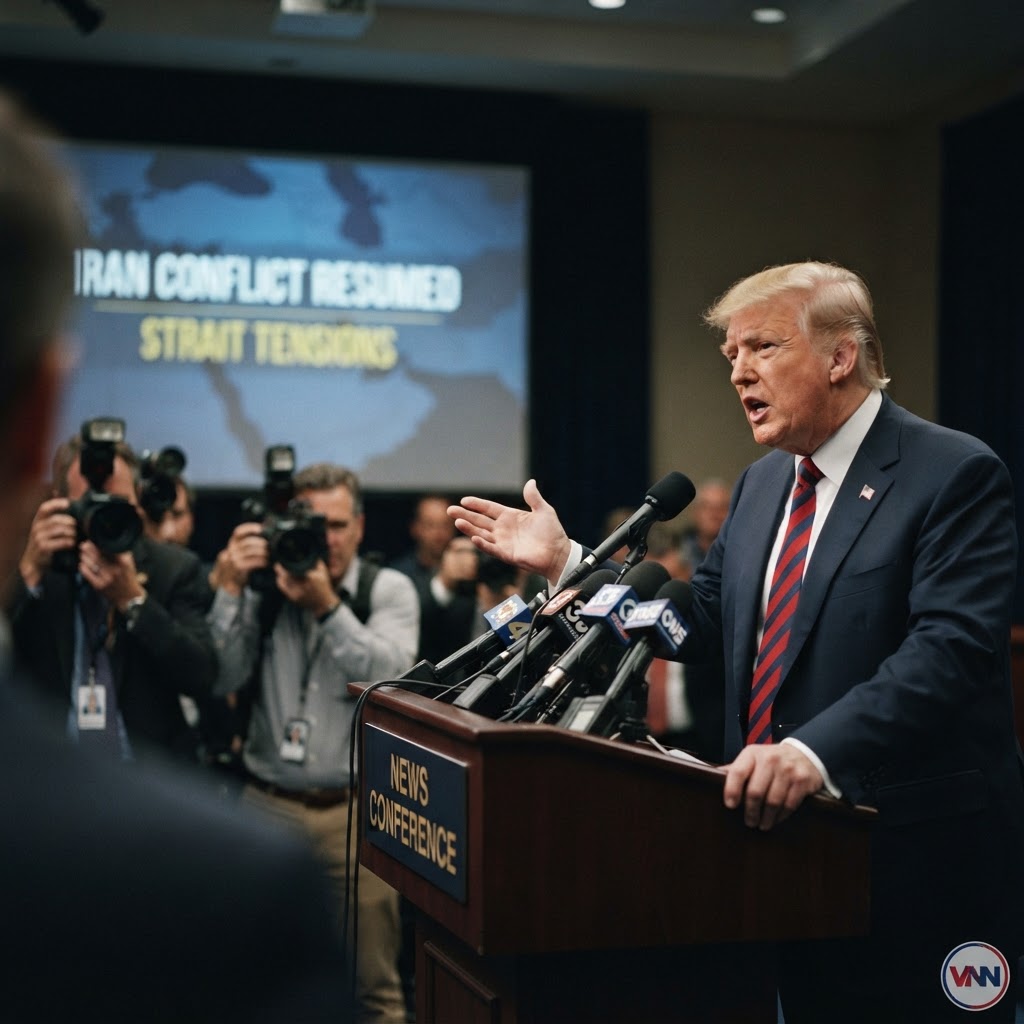
President Donald Trump has taken decisive action, officially notifying Congress that the United States is back on a war footing with the Islamic Republic of Iran. The move follows months of a fragile ceasefire that was shattered on July 7, when Iranian forces engaged in deliberate and aggressive actions against neutral commercial vessels transiting the vital Strait of Hormuz. By invoking the War Powers Act, the President is making it clear to the international community that the era of Western passivity in the face of Iranian maritime aggression is over. This formal notification serves as both a constitutional transparency requirement and a stern warning to Tehran that their persistent destabilization of regional security will no longer be met with tepid diplomatic hand-wringing. The administration has signaled that the safety of international waters and the freedom of commerce remain non-negotiable pillars of American foreign policy, and the military is now fully authorized to enforce those principles.
The Failure of Appeasement
For too long, Iranian proxies and state-run naval units have operated under the assumption that the United States would prioritize diplomatic optics over the tangible protection of global energy supplies. The July 7 attacks were not merely isolated incidents, but rather a calculated escalation meant to test the resolve of the Trump administration in a volatile election year. By resuming the War Powers clock, the White House is shifting the strategic paradigm away from the failed strategies of the previous administration, which often prioritized the preservation of failed agreements over the security of our allies and partners. Defense officials have confirmed that the U.S. Navy and regional command structures have already begun posturing for sustained operations, ensuring that any future attempt by the IRGC to harass civilian shipping will be met with overwhelming force. This pivot toward a position of strength is intended to deter further conflict by ensuring the cost of Iranian hostility is prohibitively high for the regime in Tehran.
Sovereignty and Global Stability
The broader political implications of this decision cannot be overstated, as it represents a sharp return to a 'Peace Through Strength' doctrine that prioritizes national sovereignty and global stability. While critics in the media and the permanent political class in Washington may attempt to paint this as an unnecessary escalation, the reality remains that Iranian aggression has consistently threatened the global economy and peace within the region. By taking direct responsibility for the escalation, President Trump is forcing a necessary national conversation about the limits of American patience and the necessity of maintaining order in the face of rogue actors. Ultimately, this move reaffirms that the protection of American interests, both domestic and abroad, remains the supreme duty of the Commander-in-Chief. As tensions continue to rise, the administration's willingness to stand firm will serve as the litmus test for whether the United States can continue to project power effectively against entities that thrive on chaos and the erosion of international law.


