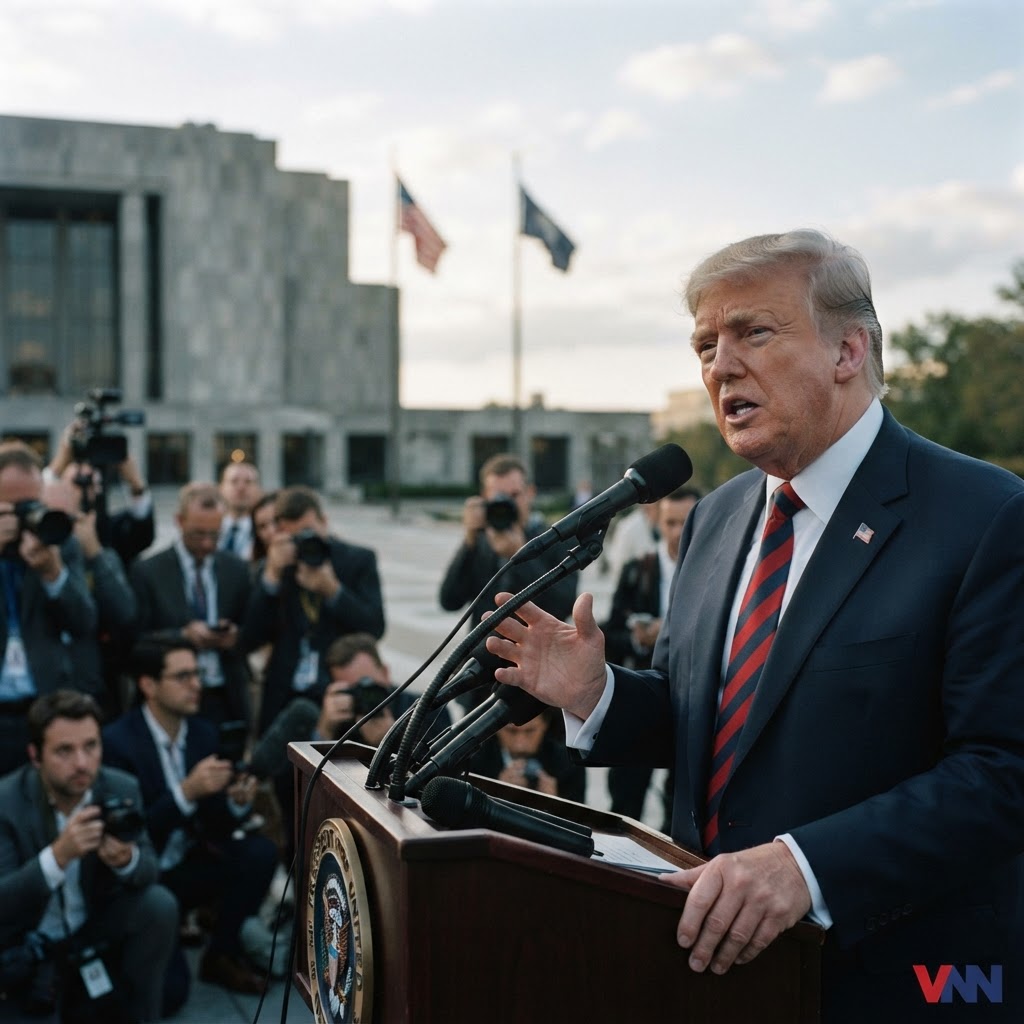
A New Chapter in Middle East Diplomacy
President Donald Trump delivered a significant update on Wednesday, confirming that the Iranian regime has reached out directly to the United States expressing a strong desire to secure a comprehensive deal. This development marks a potentially seismic shift in the geopolitical landscape, as the President emphasized that Tehran is "very much" interested in concluding the ongoing regional conflict that has persisted for nearly seven months. By bypassing traditional intermediaries, the regime appears to be acknowledging the shifting reality of American influence under the Trump administration's policy of peace through strength. This direct channel of communication serves as a testament to the effectiveness of the current administration’s pressure campaign, which has consistently pushed adversaries to the negotiating table rather than allowing them to leverage ambiguity to prolong instability.
Moving Toward a Stable Resolution
The administration remains cautiously optimistic that the cessation of hostilities is finally in sight, with President Trump suggesting that the end of the conflict is nearing. Following his previous assessment that the fighting would likely conclude in the aftermath of the midterm elections, this latest confirmation of direct contact provides a tangible framework for a de-escalation strategy. Analysts suggest that the combination of economic leverage and clear, decisive messaging from the White House has forced Tehran to reconsider its strategic positioning. While the specifics of these direct communications remain largely confidential, the President’s public posture conveys a level of confidence that the current volatility is being replaced by a more predictable diplomatic engagement that prioritizes American interests and regional security.
The Broader Impact on Global Stability
Beyond the immediate tactical implications of a ceasefire, this development underscores the fundamental success of a conservative foreign policy that prioritizes national sovereignty and firm negotiation. By refusing to engage in the ineffective, weak-kneed diplomacy of previous administrations, the current leadership has successfully disrupted the status quo that favored aggression over stability. The potential resolution of this conflict represents a critical victory for the administration's 'America First' agenda, proving that when the United States leads with strength, it creates the necessary conditions for enemies to seek reconciliation. As we look toward the future, the successful management of this situation will serve as a cornerstone of the President's legacy, demonstrating that authentic leadership and unwavering resolve are the most effective tools for preserving global peace and securing a more prosperous horizon for all nations involved.


