A New Chapter in Maximum Pressure
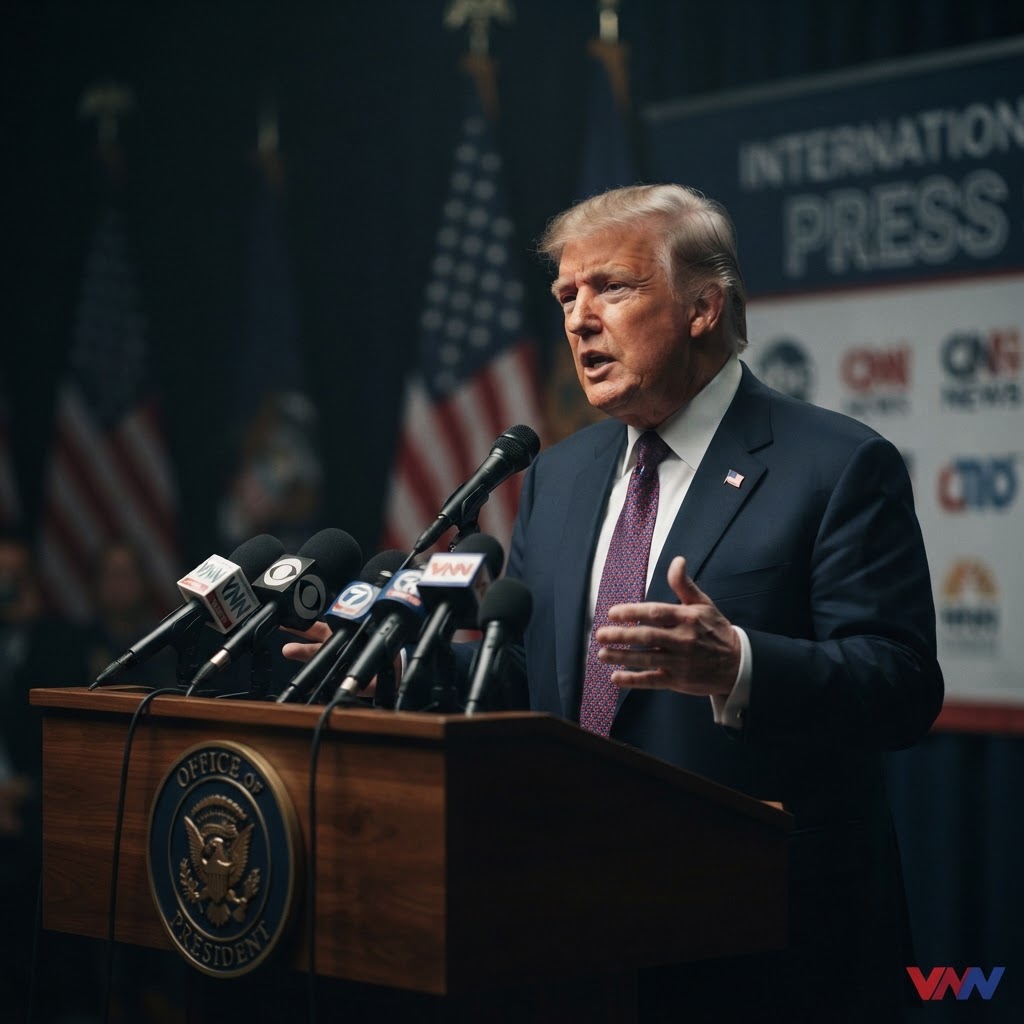
President Donald Trump has signaled a clear shift in the administration's Middle East strategy, confirming that the primary objectives concerning the Iranian regime have been addressed. In a recent interview on Fox News, the President articulated that the United States successfully degraded Iran’s capability to project power while simultaneously securing the vital Strait of Hormuz from potential aggression. By neutralizing immediate threats and enforcing strict economic sanctions, the White House has demonstrated that American strength is the only language the Iranian leadership understands. While critics in the establishment media continue to push for traditional diplomatic appeasement, the President’s results-oriented approach has fundamentally altered the power balance in the region, forcing Tehran to reckon with the consequences of its state-sponsored terror activities.
Diplomacy Versus Reality
Despite the successful attainment of core strategic milestones, President Trump remains pragmatic regarding the potential for a long-term diplomatic resolution with the current regime. He emphasized that while a 'deal' remains the theoretical mechanism by which a conflict officially concludes, there is no guarantee that the ayatollahs are prepared to act in good faith or abandon their nuclear aspirations. The administration’s policy of 'peace through strength' continues to hold, as the President noted that targeted strikes and containment measures will persist as long as necessary to protect American interests and regional stability. This recalibration serves as a stark warning to Tehran: the United States will not be baited into endless nation-building exercises, but it will not hesitate to exert overwhelming force to dismantle threats against our national security or that of our allies.
The Path Forward
This latest development marks a significant turning point in the broader struggle against global adversaries who have long benefited from the weakness of previous American administrations. By prioritizing strategic autonomy and refusing to yield to the pressures of an international community that often favors bureaucratic process over tangible results, the Trump administration is reshaping the global order. The significance of this stance goes beyond Iran; it sends a clear message to bad actors worldwide that the era of empty red lines and passive containment is over. As the landscape of international relations continues to evolve, the American public can be confident that the focus remains firmly on protecting our sovereignty, dismantling the influence of hostile regimes, and ensuring that any resolution to global conflict is dictated by American interests rather than the demands of corrupt foreign actors.


