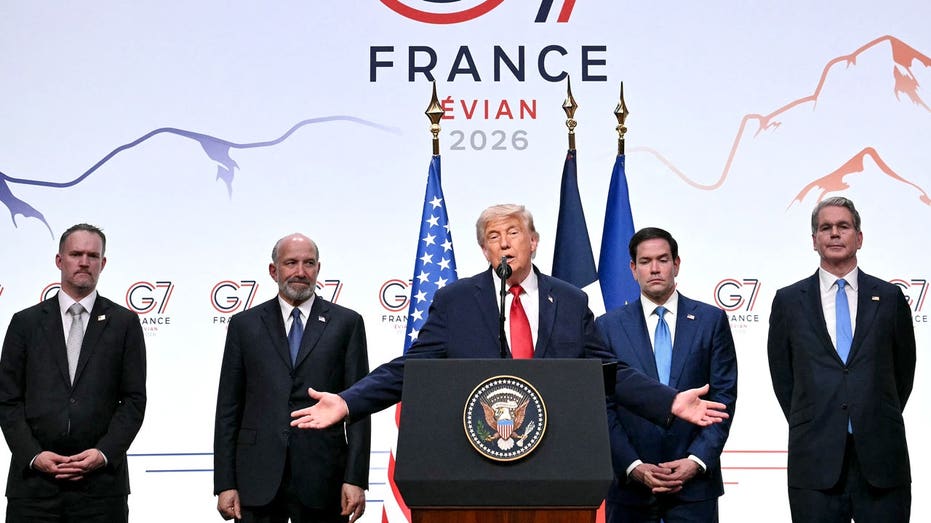
Trump Dismisses JCPOA's Legacy
Former President Donald Trump didn’t hold back during a press conference at the G7 summit, labeling the Obama-era Iran nuclear deal, officially known as the Joint Comprehensive Plan of Action (JCPOA), as a "catastrophe." Trump criticized the deal for its perceived inadequacies regarding Iran's nuclear capabilities, stating, "We were giving Iran money while they continued their path toward becoming a nuclear power. This was never an acceptable deal."
New Memo of Understanding
During the conference, Trump defended his new memorandum of understanding with Iran, asserting this agreement addresses the shortcomings of the JCPOA. He stated, "This new approach ensures that Iran understands there are real consequences if they step out of line. We have made it clear that we will not allow them to have a nuclear weapon on our watch."
In a bold move, Trump emphasized the need for international collaboration to deter Iranian aggression and ensure regional stability. "Like I said, the old deal was a disaster. We have a responsibility to our allies, especially Israel and Saudi Arabia, to keep Iran in check," he added. This approach has drawn applause from conservative analysts who argue that a firmer stance against Iran is essential not only for the Middle East but also for global security.
Implications for U.S. Foreign Policy
Trump's statements reflect a broader strategy focused on redefining U.S. foreign policy in the Middle East. While his critics often cite potential diplomatic failures, Trump's supporters argue that his administration's methods have actually strengthened alliances and deterred adversaries. The renewed commitment to a tougher stance against Iran may reshape discussions at future international summits, impacting the dynamics between the U.S., its allies, and hostile nations. As political tensions escalate, Trump's actions could rekindle debates about the effectiveness of diplomacy versus strength on the global stage.
Ultimately, Trump's remarks at the G7 serve as a rallying cry for proponents of a more assertive U.S. foreign policy, positing that the best defense against rogue states is a clear and unwavering commitment to deterrence. As the world watches, the implications of Trump's stance on Iran will resonate far beyond regional conflicts, shaping the United States' geopolitical strategy for years to come.


