A Defining Moment in Global Strategy
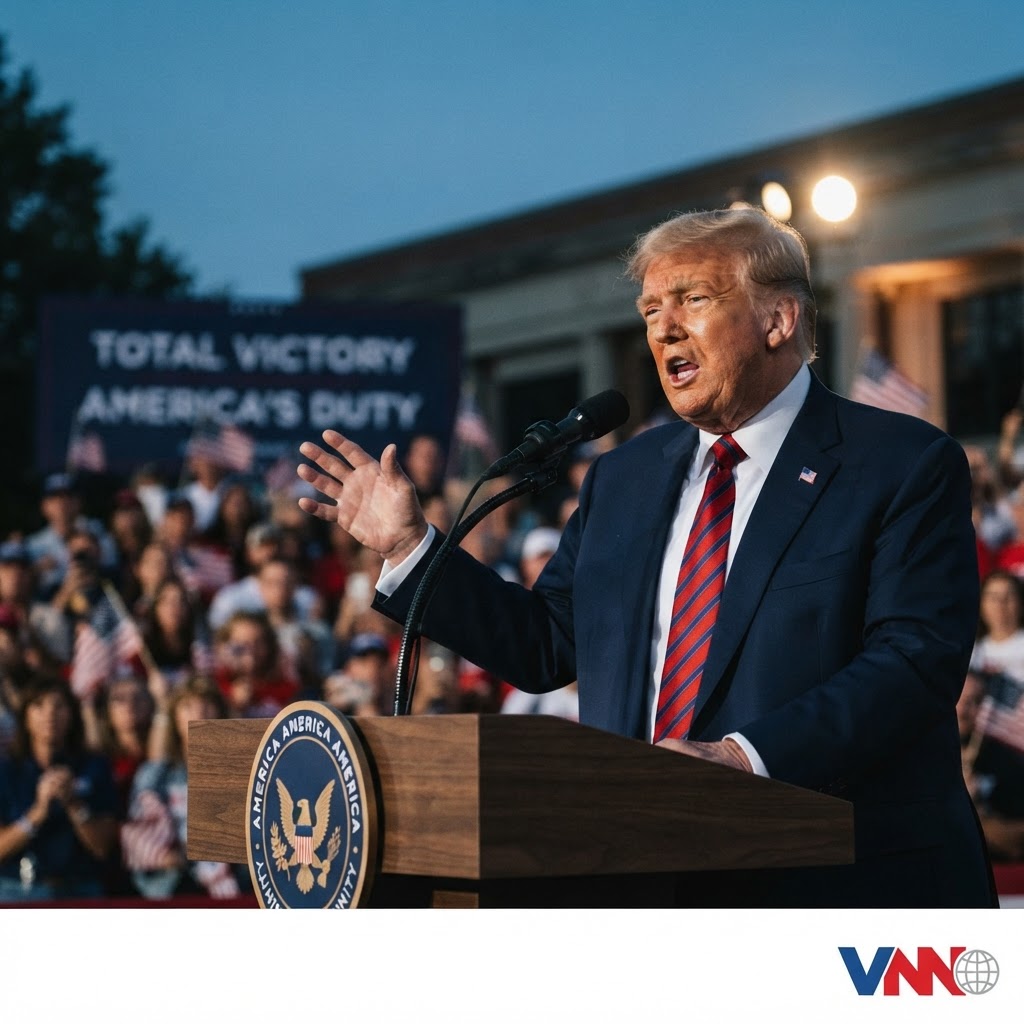
As the nation pauses to honor the thousands of souls lost on September 11, 2001, President Donald Trump has seized the anniversary as a moment of profound strategic clarity. By explicitly linking the modern threat posed by the Islamic Republic of Iran to the historical war on terror, the President is signaling a shift toward a more aggressive, deterrence-based posture that refuses to appease those who seek to destabilize the global order. Trump’s message was unmistakable: the same resolve that defined America's response to the original attacks must now be applied to the state sponsors of chaos in Tehran. This declaration serves as a reminder that the war on terror is not a static historical event, but a continuous defense of American sovereignty and security that requires constant vigilance against evolving threats.
No Room for Appeasement
President Trump’s firm stance, captured in the assertion that 'there can only be victory,' marks a stark departure from the policy of managed retreat favored by his predecessors. Throughout his public remarks, the President highlighted the failures of past administrations to effectively neutralize Iranian aggression, arguing that economic sanctions and psychological strength are the primary tools required to bring the regime to heel. This policy orientation suggests that the era of seeking 'balance' in the Middle East is effectively over, replaced by a mandate to prioritize American national interest over international consensus. By positioning Iran as the central architect of current global instability, Trump is setting a direct challenge to the establishment consensus that has dominated foreign policy for decades, betting that the American people prefer strength over long-term strategic ambiguity.
The Path Forward
Looking toward the future, the political significance of these remarks cannot be overstated as the country approaches a new electoral cycle. By framing the geopolitical confrontation as a binary struggle between Western stability and radical insurgency, the President is consolidating his base and drawing a clear line in the sand for his opponents. Supporters see this not just as rhetoric, but as a long-overdue application of the 'America First' doctrine to foreign military and diplomatic policy. The insistence that there is no substitute for victory suggests that the administration is preparing for a sustained, high-stakes pressure campaign against Iranian proxies throughout the region. As the 25th anniversary serves as a somber reflection on the cost of inaction, Trump’s declaration acts as a strategic manifesto, promising that the United States will remain an active, unyielding player in the protection of the global status quo and its own national defense.


