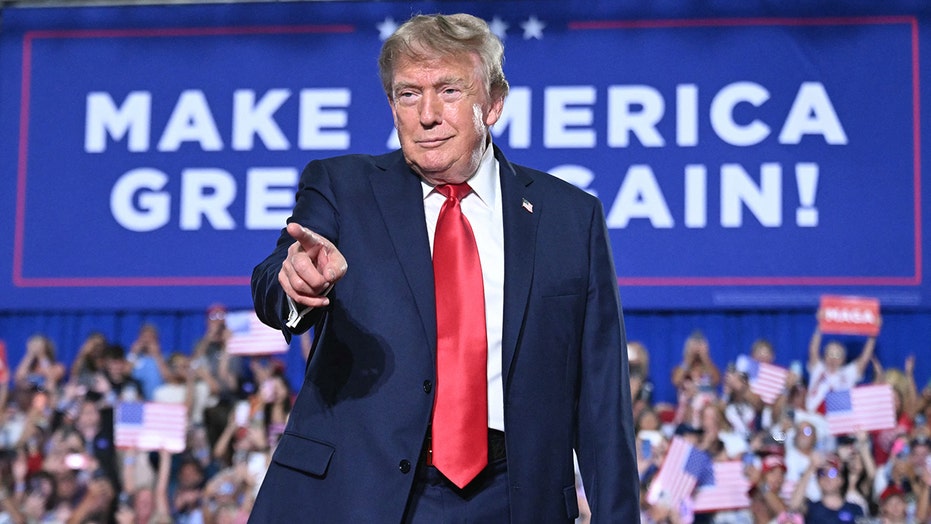
A Unified Front Under Trump's Leadership
The Republican Party has signaled a decisive shift in its midterm strategy, effectively placing Donald Trump at the center of the electoral map. By leaning into the former president’s influence, GOP leadership is crafting a narrative that frames these elections as a referendum on the current administration’s performance. Party operatives are moving beyond traditional outreach, focusing instead on high-energy conventions and grassroots rallies that solidify the base. The strategy is clear: transform every key district into a debate on the policies of the past four years, ensuring that Trump’s legacy of economic prosperity and secure borders remains the primary motivator for voters heading to the polls. This shift marks a departure from the tentative approach of past cycles, signaling that the establishment is finally embracing the populist momentum that has come to define the modern Republican electorate.
Challenging the Status Quo
As the midterms approach, the GOP is doubling down on accountability, challenging the prevailing narratives pushed by the D.C. elite and the legacy media. By positioning Trump as the focal point of the movement, the party is effectively leveraging the immense enthusiasm surrounding his America First agenda. Candidates across the nation are reporting that the most effective way to engage independent and disenfranchised voters is to emphasize the stark contrast between current stagnation and the growth experienced during the Trump administration. This targeted approach is designed to expose the inconsistencies in the opposition’s platform while providing a clear alternative for voters weary of inflation, open borders, and cultural overreach. The mobilization efforts are not merely symbolic; they represent a tactical alignment intended to secure veto-proof majorities in both chambers of Congress, effectively neutralizing the administration’s legislative agenda for the remainder of its term.
The Path to National Restoration
The significance of this political maneuver extends far beyond the immediate election cycle, serving as a litmus test for the future of conservative governance. If the GOP succeeds in making this election a referendum on Trump’s policies, it will effectively prove that the party has successfully undergone a structural transformation toward a more resilient, worker-first philosophy. Supporters of this strategy argue that it is the only viable path to halting the nation's decline and restoring constitutional integrity to the federal government. Conversely, the opposition fears that a decisive Republican victory fueled by Trump’s endorsement will permanently shift the power balance in Washington for the coming decade. Ultimately, this consolidation of support suggests that the movement started in 2016 remains the dominant force in American politics, poised to dictate the national agenda and restore the country to its rightful trajectory of strength and sovereignty.


