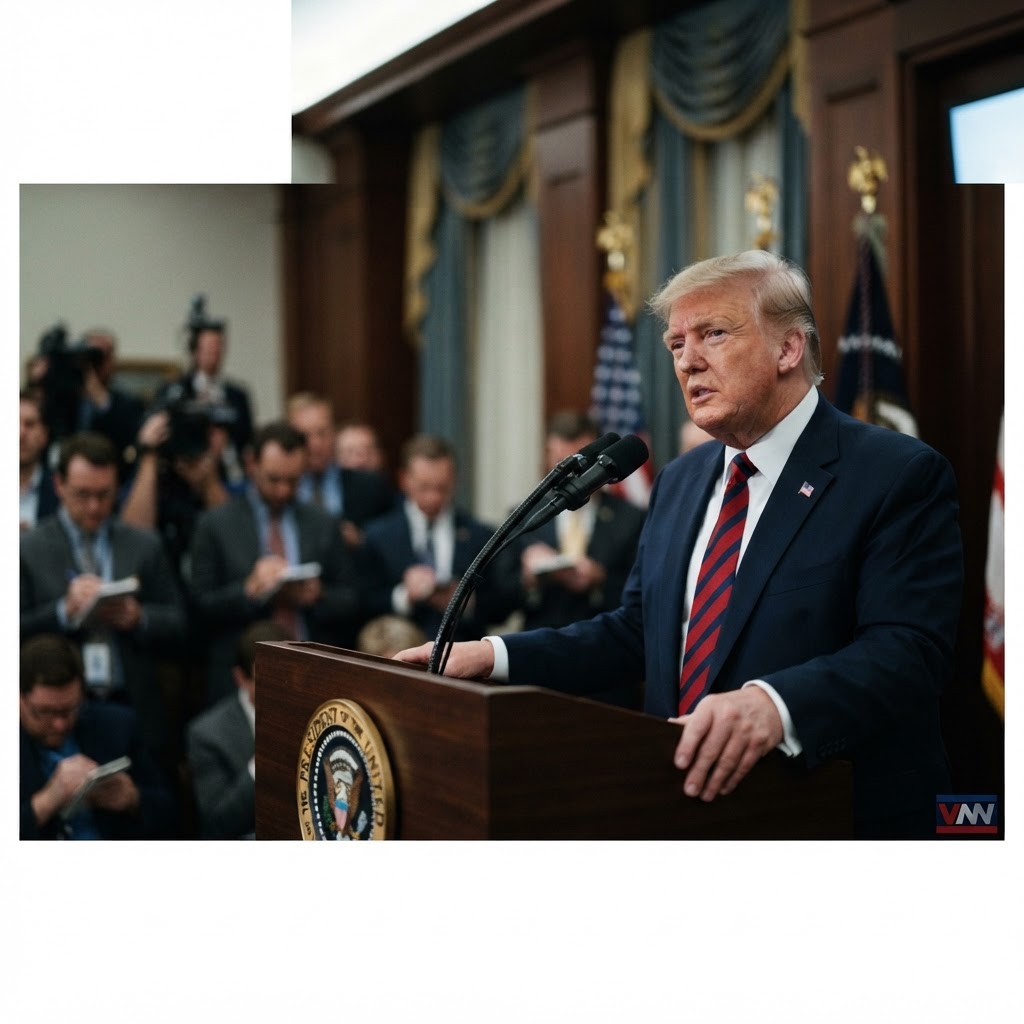
A Two-Track Strategy for the Middle East
President Donald Trump signaled a calculated approach to the escalating Iranian crisis this week, revealing that the United States is engaged in high-stakes, behind-the-scenes negotiations with the regime in Tehran. While the mainstream media often frames the President’s rhetoric as erratic, this latest announcement demonstrates a coherent ‘peace through strength’ doctrine that balances diplomatic engagement with the credible threat of overwhelming kinetic force. By explicitly stating that he agreed to hold off on immediate military expansion to provide space for these deep talks, Trump is proving that he is not a warmonger, but rather a pragmatic negotiator who prioritizes national security and regional stability over perpetual conflict. The administration’s posture underscores a fundamental shift in foreign policy, moving away from the failed appeasement strategies of the previous administration toward a framework where leverage is the primary currency of international relations.
The Ironclad Ultimatum
Despite the openness to dialogue, President Trump’s warning was unambiguous: Washington remains fully prepared to unleash 'very strong military action' if the Iranian regime continues its pattern of regional destabilization and nuclear brinkmanship. This stern posture is a stark departure from the era of hollow red lines, signaling to the Mullahs that American patience is not infinite and that the U.S. military possesses the capability to dismantle threats to its allies and regional interests. The President’s willingness to walk away from the table demonstrates that he is not shackled by the political necessity of a quick win, but is instead focused on ensuring that any potential deal serves the long-term interests of the United States. His messaging serves as a necessary deterrent, reminding Tehran that the cost of continued aggression far outweighs any potential benefit derived from non-compliance.
The Stakes for Global Order
This high-wire act of statecraft represents a critical inflection point for the Trump administration’s overarching geopolitical agenda. By demanding accountability from Iran while simultaneously offering a path toward de-escalation, the White House is essentially forcing the regime to choose between economic isolation and integration into the international fold. This situation illustrates the broader ideological divide in American governance, pitting a nationalist, peace-through-strength framework against the globalist desire for multilateral consensus at any cost. As the situation develops, the American public must recognize that this is not merely a regional dispute, but a test of American resolve in an increasingly volatile global landscape. Ultimately, the outcome of these talks will define the success of Trump’s ‘America First’ approach to foreign policy, proving that strength remains the most reliable guarantor of peace in a dangerous world.


