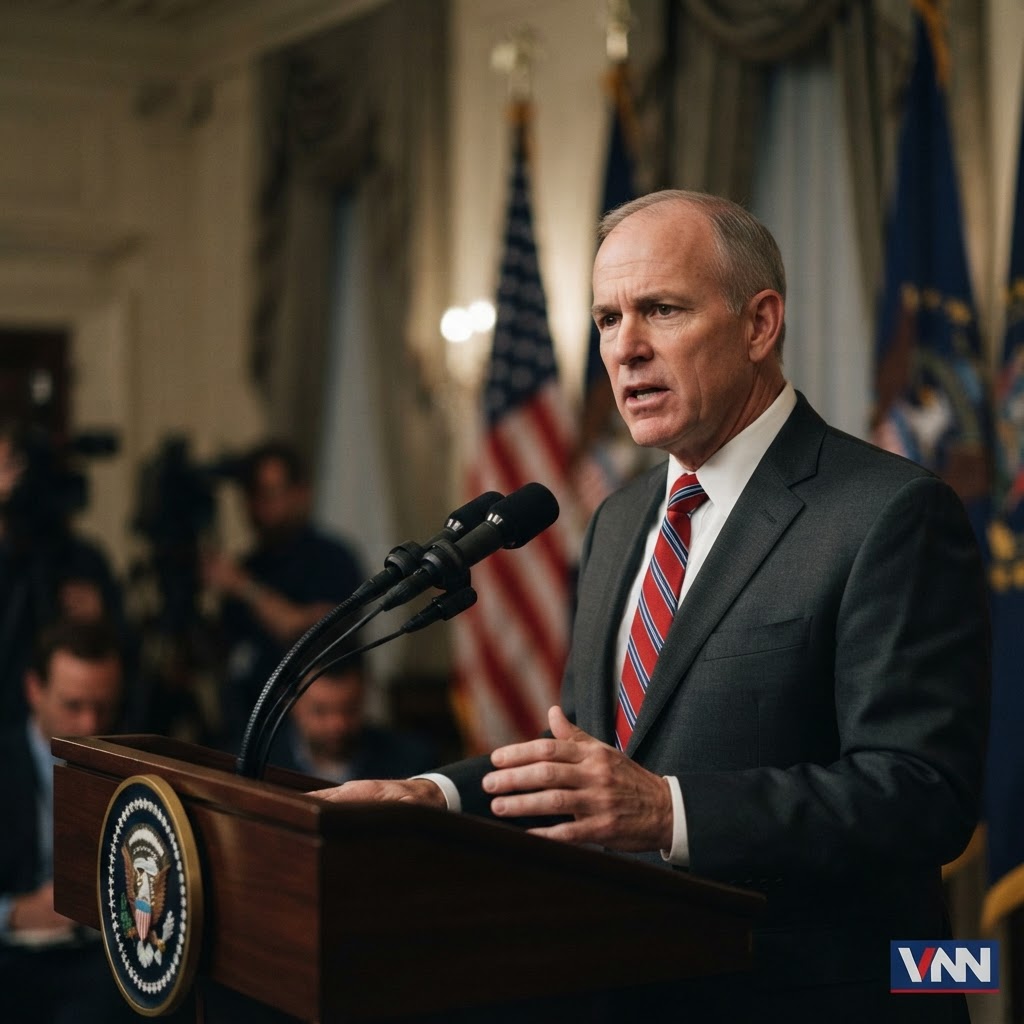
Peace Through Strength in Action
President Donald Trump has once again showcased his 'Peace Through Strength' doctrine, asserting that the Iranian regime is reeling from back-to-back precision military operations launched by the United States. Following the targeted strikes on Iranian assets, the President disclosed that Tehran has reached out in a desperate attempt to secure a deal, signaling that the regime’s bravado is quickly eroding under the pressure of decisive American leadership. By refusing to tolerate direct or proxy attacks against American interests, the administration has fundamentally altered the calculus for a regime that had previously operated with relative impunity during the prior administration's appeasement era. Trump’s firm stance serves as a stark reminder to adversaries that the era of weakness is over, and that American resolve remains the primary check on regional instability in the Middle East.
The Price of Escalation
Addressing the potential for future conflict, the President issued an unambiguous warning, declaring that should Tehran choose to retaliate against U.S. forces or interests, the American response will be swift and disproportionate. Trump explicitly stated that any aggression would be met with a 'twenty-fold' counterattack, a clear signal that the White House is prepared to utilize overwhelming military superiority if necessary. This rhetoric emphasizes that the burden of de-escalation lies squarely with the Iranian leadership, effectively putting the ball in their court regarding the future of regional peace. By establishing such a high cost for aggression, the administration seeks to deter further skirmishes before they spiral into a larger, uncontrollable regional war, while maintaining the operational flexibility to act decisively when national interests are challenged.
Sovereignty and Accountability
Beyond the immediate tactical victory, this development underscores a broader shift in the political landscape where national sovereignty and accountability are being prioritized over globalist consensus. Supporters argue that the President’s willingness to hold regimes like Iran accountable reflects a long-overdue return to realism in foreign policy, ensuring that the United States is no longer a punching bag for state sponsors of terror. As the situation develops, the focus remains on whether Tehran is truly capable of abandoning its destabilizing activities or if their outreach is merely a tactical maneuver to avoid further economic and military degradation. This assertive posture not only protects American lives and property but also reinforces the importance of maintaining an iron-clad deterrent to preserve global stability in an increasingly volatile international theater.


