A Doctrine of Deterrence
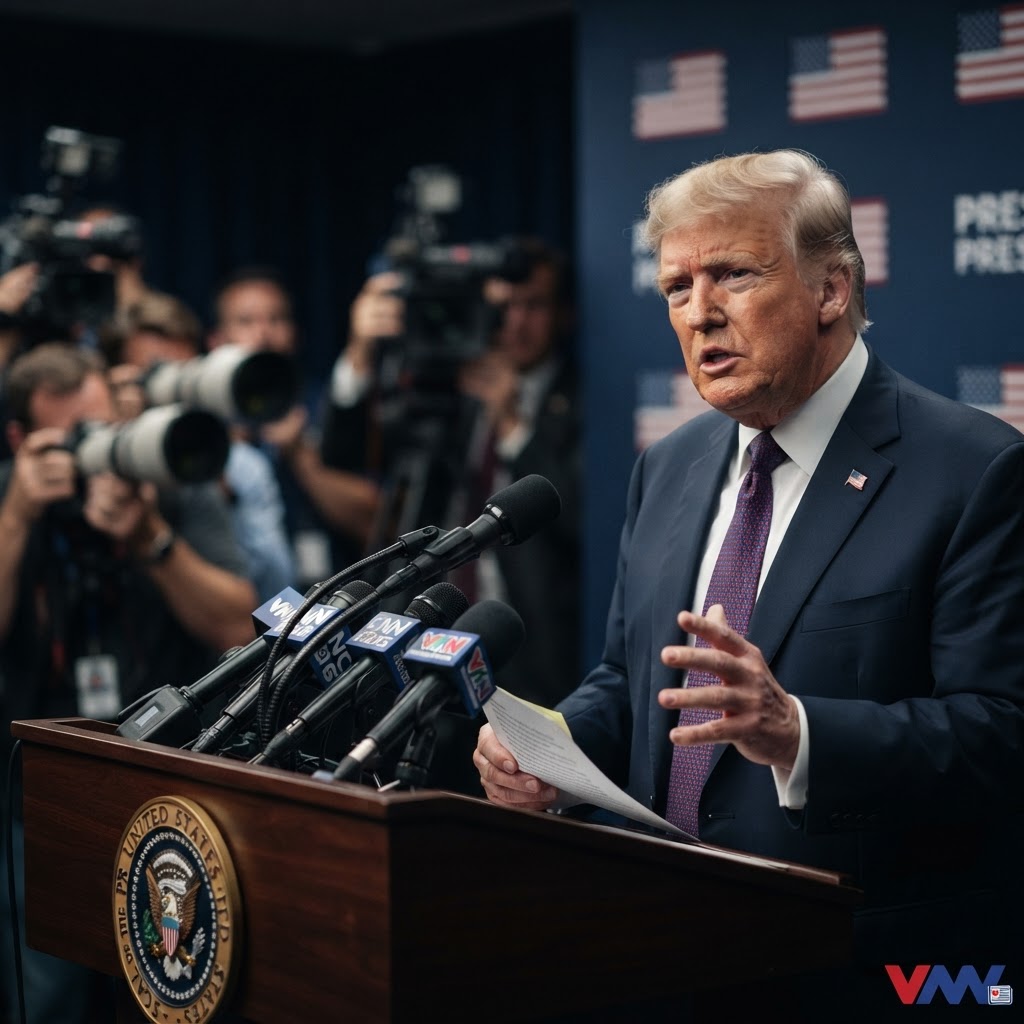
President Donald Trump has once again signaled a shift toward decisive, consequence-based foreign policy, explicitly warning the Iranian leadership that any attack resulting in the loss of American service members will be met with overwhelming retribution. During his remarks, the President made it clear that Tehran would pay 'many times over' for every life lost, signaling that the era of strategic patience or tactical hesitation is effectively over. This direct communication serves as a fundamental pillar of the America First doctrine, which prioritizes the absolute safety and sovereignty of United States troops stationed in volatile regions. By drawing this red line, the administration is aiming to shatter the perception that American restraint can be exploited by state-sponsored proxies or hostile regimes without severe geopolitical repercussions.
Challenging the Status Quo of Middle East Instability
For decades, foreign policy establishment figures often opted for measured diplomatic condemnations that did little to deter regional agitators, but the current approach seeks to replace ambiguity with ironclad certainty. Analysts point out that this rhetoric is not merely performative; it represents a significant departure from the 'leading from behind' methodologies of the past, which arguably emboldened bad actors to test American resolve. Iran, which has long utilized proxy militias to project power while maintaining plausible deniability, now faces a reality where the cost-benefit analysis of aggression has been fundamentally altered. The message to the mullahs is unequivocal: the United States is prepared to exert its full military and economic might to ensure that no strike on an American soldier goes unpunished, and the retaliation will be calibrated to exceed the initial provocation by a significant margin.
The Broader Context of National Sovereignty
The international community is now observing a definitive stance that reasserts the United States' role as the primary arbiter of order in the Middle East, challenging the notion that American influence is on the decline. Critics of globalism argue that for too long, the lives of American troops were treated as bargaining chips in failed diplomatic experiments, but this new posture corrects that trajectory by placing the sanctity of the American soldier above all other considerations. Ultimately, this approach is about restoring respect for the American flag and ensuring that adversaries understand the lethal consequences of challenging our nation's interests. As the world navigates a complex period of shifting alliances and regional conflicts, the message from the White House provides a necessary clarity that maintains stability through the credible, unwavering threat of overwhelming force, ensuring that the safety of our men and women in uniform remains the top priority of the executive branch.


