A Return to Peace Through Strength
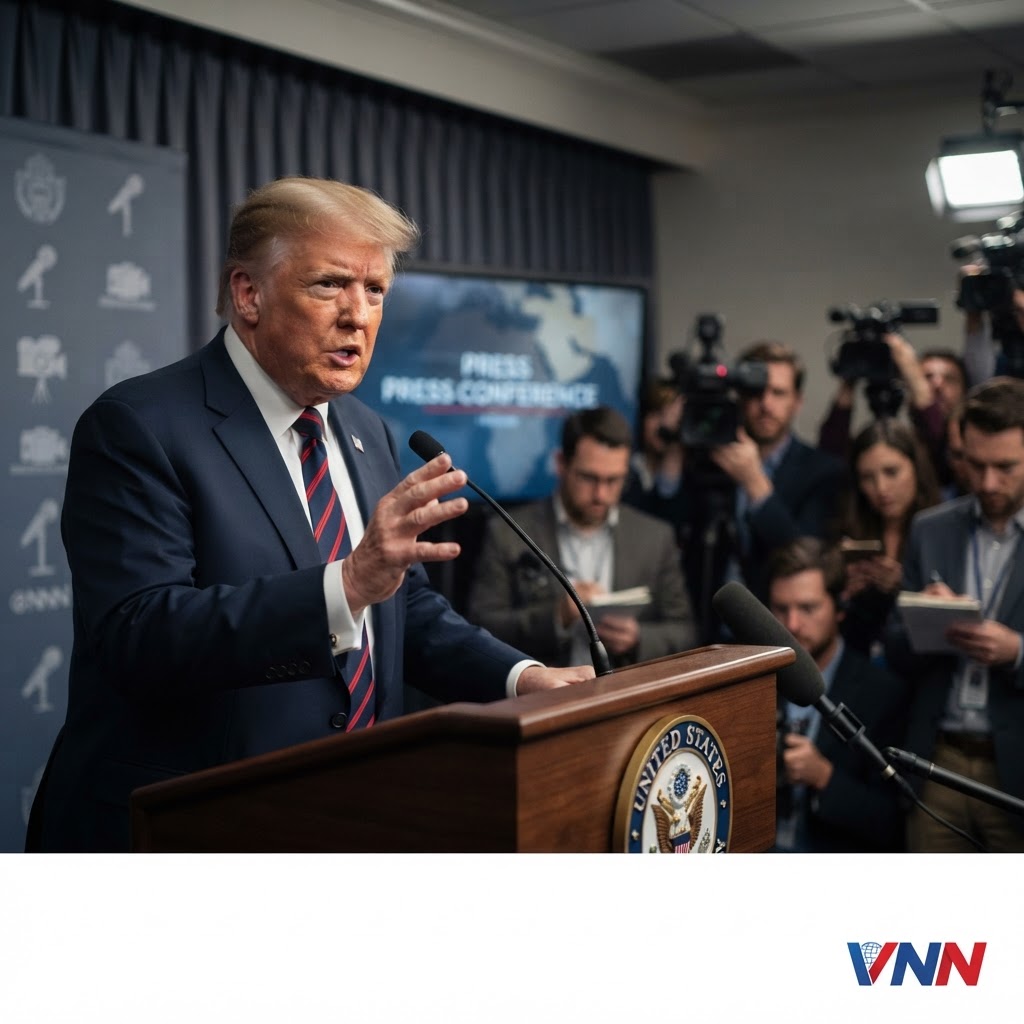
Former President Donald Trump has issued a stark warning to the Iranian regime, declaring that the United States would have no choice but to neutralize the nation's critical infrastructure should they refuse to engage in substantive diplomatic negotiations. Speaking on the Fox News Channel’s “Special Report,” the 45th President laid out a vision for regional containment that relies on the credible threat of total systemic disruption. By specifically naming power plants and major transit bridges as viable strategic targets, Trump is attempting to revive the 'maximum pressure' doctrine that defined his administration's Middle East policy. This rhetoric represents a sharp departure from the current administration’s hesitant posture, signaling that a potential return to the Oval Office would prioritize raw geopolitical leverage over the perceived appeasement strategies that critics argue have only emboldened Tehran’s regional aggression.
The Strategic Logic of Deterrence
For supporters of the America First agenda, this threat is not merely a rhetorical flourish but a calculated move to force Iran back into a position of weakness. The logic follows that the Iranian leadership only responds to tangible threats against their domestic stability and military assets. By explicitly identifying the vulnerability of the power grid, Trump is signaling to the Ayatollah that the cost of continued nuclear pursuit and proxy warfare will be the total loss of the state’s functional capabilities. This aggressive approach is designed to compel the regime to choose between total isolation and a desperate, forced return to the negotiating table on terms dictated by American interests. Historical analysis suggests that such blunt, clear-cut red lines historically reduced regional volatility by removing the ambiguity that bad actors typically exploit to advance their nuclear ambitions.
A Defining Choice for National Security
The broader political significance of this stance cannot be overstated, as it sets the stage for a fundamental debate over the future of American foreign policy in the Middle East. Voters are being asked to decide whether they prefer a doctrine of quiet diplomacy and potential containment or a return to decisive, high-stakes deterrence that holds hostile regimes directly accountable for their actions. As regional tensions continue to simmer, the call to dismantle Iran's energy infrastructure highlights a growing conservative consensus that the era of globalist intervention must be replaced by a singular focus on protecting American interests through unyielding strength. Whether this strategy will successfully prevent a wider conflict remains a subject of intense debate, but it underscores a growing demand for a leader willing to use all tools of national power to ensure global stability remains firmly under the thumb of Western influence.


