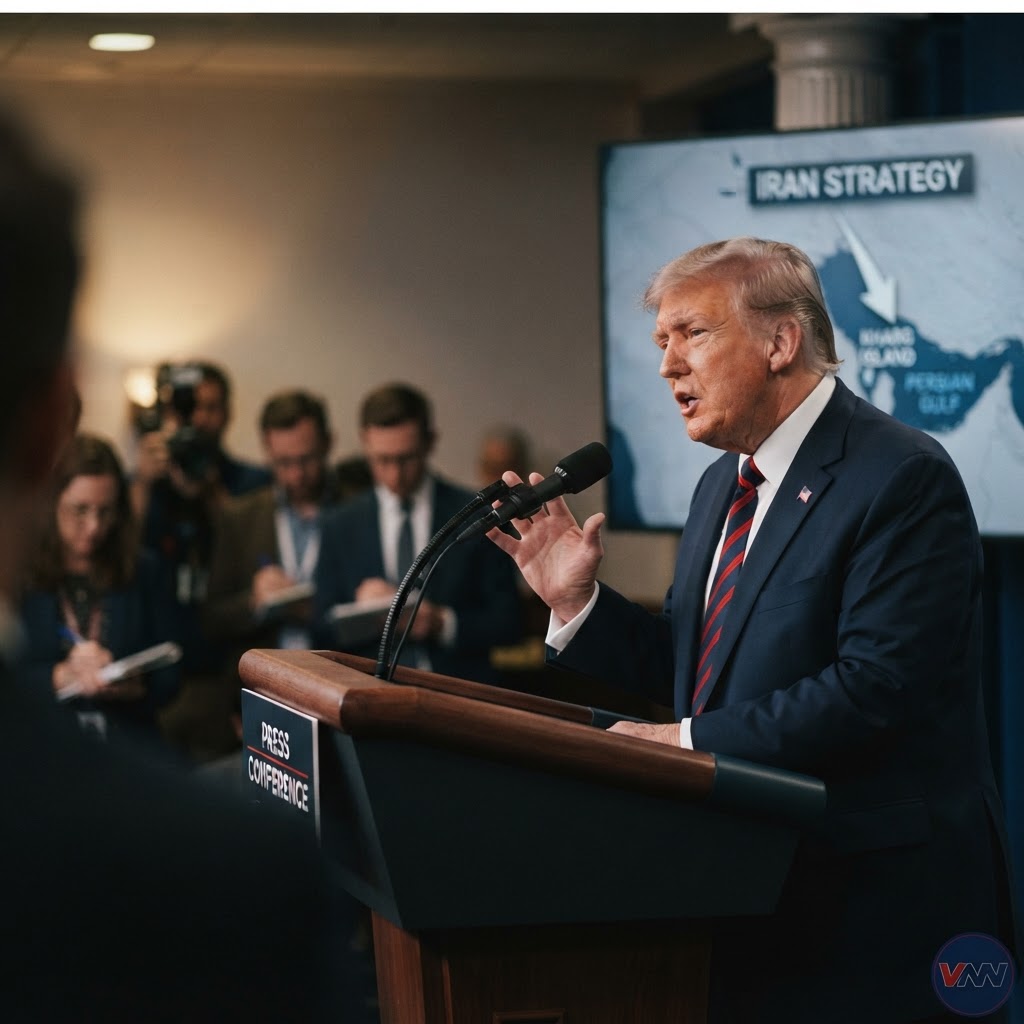
A Strategic Shift in Middle Eastern Doctrine
During a recent appearance on the Fox News Channel’s 'Special Report,' former President Donald Trump offered a nuanced perspective regarding potential military maneuvers against the Islamic Republic of Iran. While the rhetoric surrounding regional instability has intensified, Trump clarified his position on targeting Kharg Island, a vital hub for Iran’s oil export operations. He stated it is 'unlikely' that the United States would prioritize the destruction of these specific oil facilities, suggesting a preference for precision over total economic scorched-earth tactics. This revelation provides a glimpse into the Trump doctrine of 'calculated deterrence,' which balances the necessity of projecting overwhelming force with the long-term strategic interests of global energy stability and American economic health.
Territorial Considerations and Regional Hegemony
Trump’s commentary further extended to the concept of physical occupation, specifically addressing whether the United States would consider 'taking' Kharg Island. He conditioned such a drastic action upon a prerequisite of extreme degradation of Iranian defensive capabilities, suggesting that the U.S. would not commit to land-based territorial control unless the regime's capacity to retaliate had been thoroughly dismantled. This approach underscores a significant departure from the 'forever war' mentality that has defined much of Washington's foreign policy over the past two decades. By framing territorial control as a secondary outcome of a successful defensive neutralization, Trump highlights a strategy that prioritizes the systemic dismantling of an adversary's power over the traditional, open-ended occupation models of the past.
The Broader Implications for Global Security
This high-stakes geopolitical posturing serves as a stark reminder of the fragile balance of power in the Middle East and the looming threats posed by the Iranian regime to international commerce. As American voters weigh their options for the future of national security, the contrast between the Trump administration's firm, deterrent-based stance and the current administration’s perceived vacillation remains a central campaign issue. The refusal to rule out extreme measures while simultaneously articulating clear conditions for engagement serves as a signal to both allies and adversaries that American strategic patience is finite. Ultimately, the question remains whether this doctrine of measured strength will successfully avert a larger conflict or if the escalating tensions in the Strait of Hormuz will necessitate a much more aggressive intervention from the next commander-in-chief.


