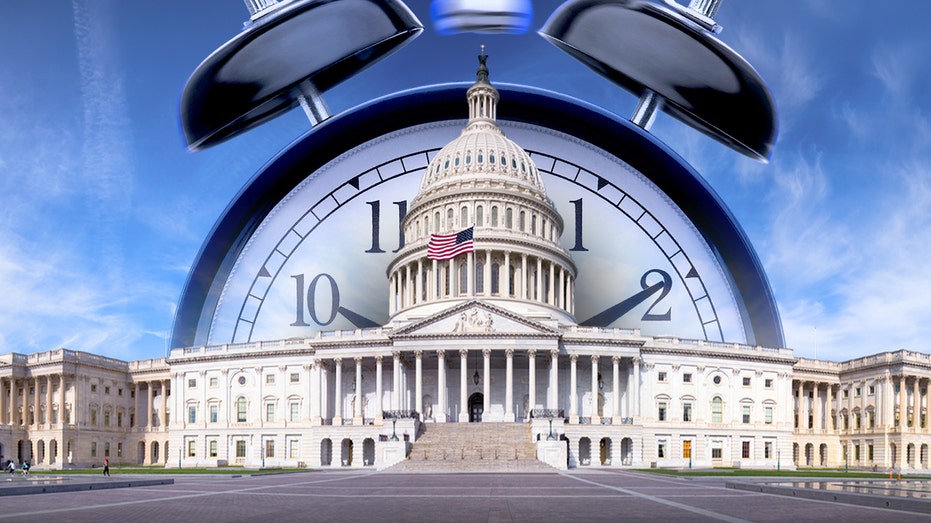
A Clamor for Change on the Clock
President Donald Trump has doubled down on his commitment to ending the antiquated ritual of changing clocks, signaling to House GOP leadership that the Sunshine Protection Act remains a top-tier priority. By leveraging his massive influence to force the issue, the former President is signaling that the era of bureaucratic stagnation regarding the nation's time-keeping policies is officially over. Supporters of the legislation argue that the current bi-annual shift is a relic that disrupts the American economy, lowers productivity, and contributes to public health concerns. The push comes as Trump seeks to remind Capitol Hill that his populist mandate requires tangible legislative victories that improve the daily quality of life for hardworking citizens across the country.
Internal GOP Friction and Public Exposure
The legislative effort hit a significant speed bump when Senator Tom Cotton (R-AR) voiced his staunch opposition to the bill, citing concerns over the legislative process and regional considerations. In a move that sent shockwaves through the halls of Congress, Trump responded by sharing the Arkansas senator's contact information, effectively inviting the grassroots base to express their dissatisfaction directly. This aggressive tactic has drawn sharp lines in the sand, forcing Republican leadership to choose between bowing to traditional Senate procedural caution or aligning with the President’s high-energy legislative agenda. For many voters, this confrontation is a clear signal that the days of silent disagreement are over, and the party’s platform must be unified under the President’s vision for a more efficient and decisive government.
The Broader Political Horizon
Beyond the specific mechanics of the Sunshine Protection Act, this struggle underscores a fundamental shift in the relationship between the Republican legislative branch and the grassroots movement that sustains it. By pushing for permanent daylight saving time, the movement is signaling a departure from status-quo politics, prioritizing common-sense reforms that citizens can feel in their day-to-day lives over procedural inertia. The current friction is likely a precursor to larger battles over how the GOP handles executive-led legislative initiatives during the upcoming session. As the pressure mounts on House leaders to move the bill forward, the outcome will likely serve as a barometer for the President’s enduring influence over the party’s rank-and-file, shaping the political landscape as the nation moves closer to critical upcoming election cycles.


