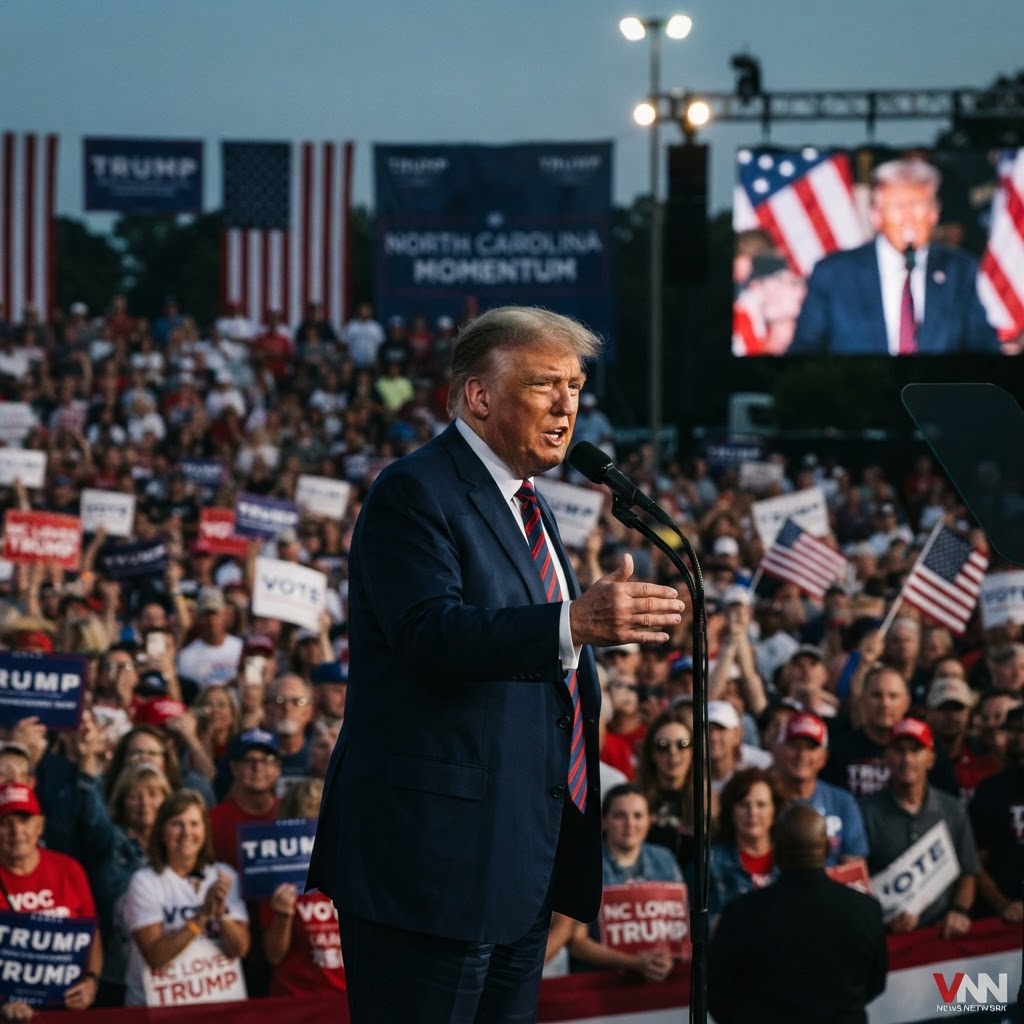
A Show of Strength in the Tar Heel State
President Donald Trump descended upon Gastonia, North Carolina, this Wednesday, delivering a high-energy address that served as a powerful reminder of his enduring influence within the conservative movement. Standing alongside Republican Senate candidate Michael Whatley, the President utilized the platform to draw sharp contrasts between his America First agenda and the radical policies currently being pushed by the institutional left. The crowd, which stretched well beyond the confines of the primary venue, displayed an intensity that underscored the palpable frustration of voters tired of the status quo in Washington. By focusing heavily on economic revitalization, border security, and the preservation of constitutional liberties, Trump successfully energized the grassroots support that remains the backbone of his electoral coalition.
Challenging the Status Quo
During his keynote address, President Trump articulated a clear vision for the nation’s future, lambasting the current administration for its systemic failures and the erosion of American sovereignty. The President specifically highlighted the importance of electing strong, principled candidates like Michael Whatley, who have committed to upholding the rule of law and protecting the interests of the American middle class. Throughout the rally, the rhetoric remained focused on the tangible impact of federal overreach, including the crushing burden of inflation on North Carolina families and the desperate need for a return to energy independence. Supporters responded with thunderous applause, confirming that the message of accountability and national renewal continues to resonate deeply with voters who feel left behind by the metropolitan elite.
The Strategic Importance of North Carolina
As the electoral map continues to narrow, the significance of North Carolina as a definitive battleground state cannot be overstated. By mobilizing thousands in Gastonia, the Trump campaign is signaling a sophisticated ground game that prioritizes direct engagement and the consolidation of rural and suburban support. This event was not merely a campaign stop; it was a demonstration of a political movement that shows no signs of losing momentum despite relentless opposition from legacy media and political adversaries. As the country moves toward the final weeks of the campaign, these rallies serve as the crucial friction points where the future of the republic is being decided, proving that the populist fire started by the Trump movement remains brighter than ever.


